

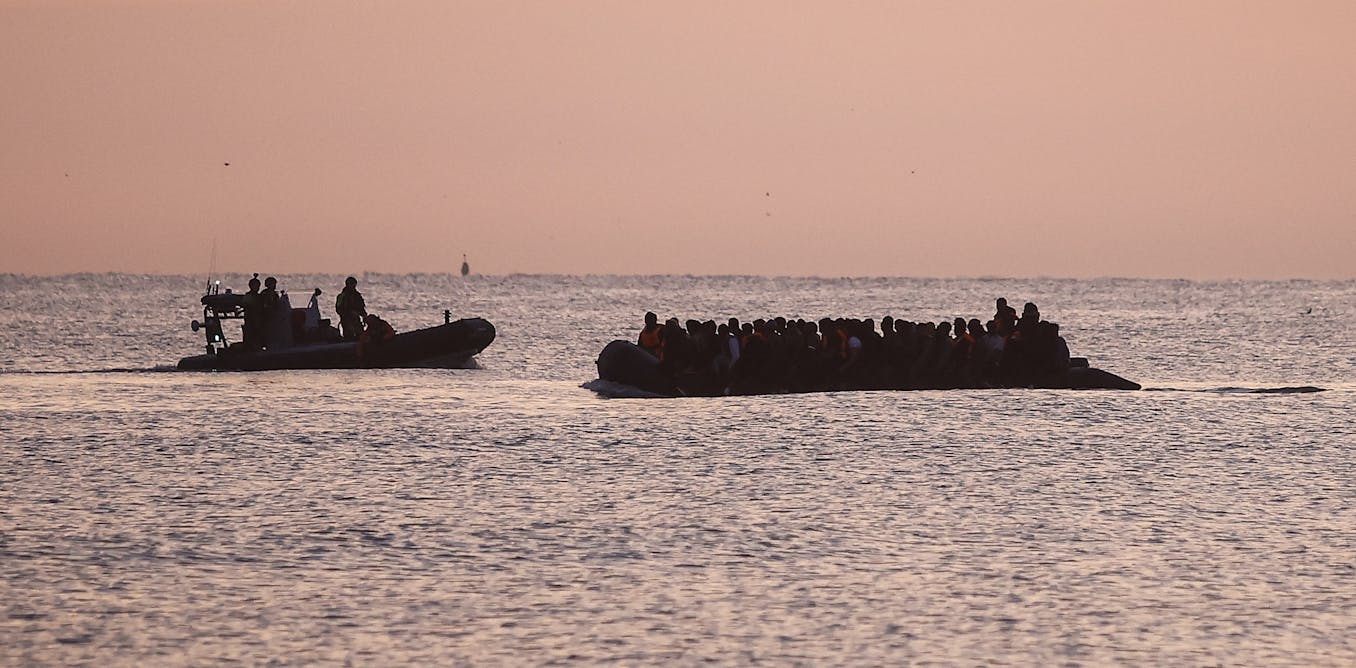

The deaths of at least 31 people in the Channel on November 24 2021 were “avoidable”, an independent inquiry has found. The final report of the Cranston inquiry highlights known problems at HM Coastguard that were not resolved, calling them a “significant, systemic failure on the part of government”, which led to this crossing becoming Britain’s deadliest small boat disaster.
The report points blame at the people smugglers who “provided an unsuitable craft and inadequate safety equipment” for the crossing, as well as the French navy for failing to respond to a mayday alert.
Most of its criticisms, however, were reserved for HM Coastguard’s flawed search and rescue operation and other systemic problems, despite failings attributable to individual officers.
These findings vindicate the accounts of the two survivors, rescued from the sea more than 12 hours after calling for help. It also vindicates family members of the deceased who first raised the coastguard’s failings immediately after the disaster. The bereaved families and survivors have held all along that the tragedy was “preventable”.
The incident
The night of November 23 to 24, a dinghy with at least 33 people on board began taking on water in the middle of the Channel. Some travellers tried to bail the freezing water out and keep the rubber tubes inflated. Others made desperate calls for help.
Neither French nor British coastguards took enough responsibility for coordinating an effective rescue. Transcripts revealed that travellers were at one point told by British call-handlers they must be in French waters and should call the French coastguard instead, after the time when formal responsibility for search and rescue had passed to the British coastguard. Teenager Mubin Rizghar Hussein, who was aboard the boat, was told that a rescue ship was on its way but that he needed to “be patient” and stop calling.
By the time the Border Force ship arrived to the sinking dinghy’s last known location, it had drifted away. Other small boats in the area were rescued instead and the distress calls stopped once the dinghy capsized.
Read more:
‘We were treated like animals’: the full story of Britain’s deadliest small boat disaster
Public inquiries are usually convened quickly after such disastrous incidents. But the fact that the British government initially refused to accept that the sinking occurred in UK waters delayed an accountability process.
Survivors and bereaved families fought hard for accountability, and the Cranston inquiry was ultimately commissioned in January 2024 by the Department for Transport.
Over four weeks of public hearings in March 2025, officers involved in the UK’s search and rescue response gave oral evidence. One survivor, Issa Mohamed Omar, and members of the grieving families also gave evidence. After three years, they were given the chance for their voices to be heard.
Systemic failures
The Maritime and Coastguard Agency asserted in its closing statement that “the real causes” of the shipwreck were factors outside HM Coastguard’s control.