


Reporting Highlights
- Salty Water, Delayed Tests: When one couple’s water turned toxic, state oil regulators delayed key tests that could find a source of contamination.
- Polluted Plume: The state didn’t tell the couple for over a month that tests showed their drinking water was contaminated with high levels of barium, which can cause heart problems.
- No Answers: Despite evidence showing pollution consistent with oil field waste, the state closed the family’s complaint and dismissed its own findings.
These highlights were written by the reporters and editors who worked on this story.
In the summer of 2022, months after Tammy Boarman and her husband, Chris, moved into their newly built “forever home” 30 miles from Oklahoma City, the plants in their yard began to turn yellow. The shrubs wilted, though Tammy watered them often. And the couple began to notice a salty taste in their drinking water.
The water came from a private well, drilled the year before, and they hoped that the bad taste would fade with time and with the help of a water softener.
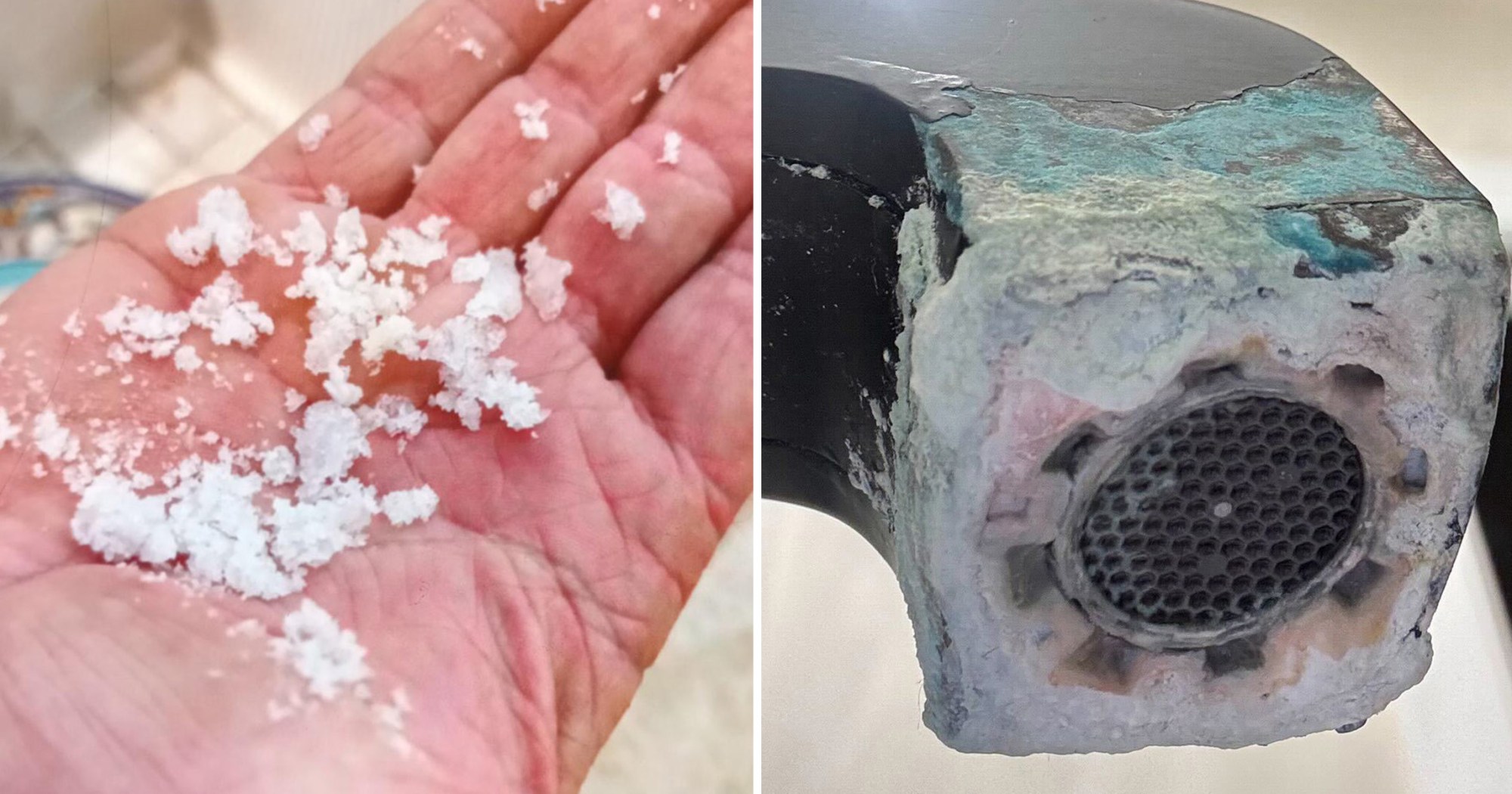
But the problem grew worse. Their ice maker expelled large clumps of wet salt, which, when rubbed, dissolved into an oily, foul-smelling substance.
The couple knew that some oil and gas extraction took place nearby. Down dirt roads and behind stands of oak trees in their neighborhood, pump jacks nodded up and down, pulling up oil. This is a common sight in Oklahoma. Several studies estimate that about half the state’s residents live within a mile of oil and gas wells.
By the following summer, Tammy and Chris Boarman had been in touch with the state agency overseeing private water wells and began to fear these nearby oil operations had tainted their water, which they had largely stopped drinking after developing sores in their mouths. The couple submitted a complaint to the oil division of the Oklahoma Corporation Commission, which regulates the state’s oil and gas industry and is responsible for addressing related pollution.
When Tammy Boarman first contacted oil regulators, she was hopeful state officials would find the source of the pollution and clean it up. For the next two years, the state repeatedly tested the Boarmans’ water for contaminants and found salt concentrations that made the water undrinkable and, at one point, toxic metals at levels high enough to endanger human health — strong signs of oil field wastewater pollution, according to agency testing.
But regulators repeatedly delayed or failed to conduct other tests recommended by the agency’s own employees to locate the pollution source, according to internal agency documents obtained by The Frontier and ProPublica through public records requests.
Despite Boarman’s pleas to regulators to do more, the agency would ultimately dismiss its earlier findings pointing to oil and gas pollution and close the couple’s case, leaving basic questions about the origins of the problem unanswered.
“For the longest time,