

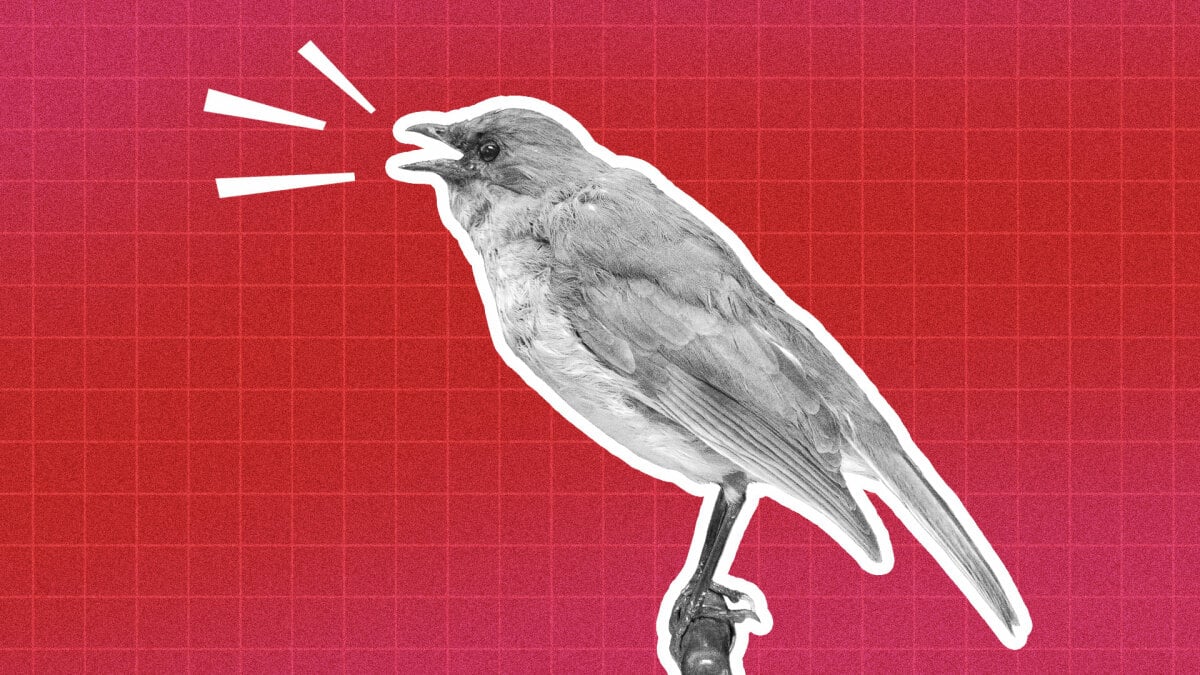


The large Kauaʻi thrush was removed from the endangered species list in 2023.
Credit: Bishop Museum, Honolulu / Mashable Composite
Extinction isn’t just a thing of the past. It’s happening right now.
In 2023, scientists declared 21 species officially extinct, all in the U.S. Included on the shameful list are birds, mussels, fish, and a mammal. Destroyed habitat, pollution, climate change, exploitation, and invasive species are to blame. Today’s rate of extinction is “at least tens to hundreds of times higher” than extinctions that occurred over the past 10 million years, the UN has found.
Yet biologists and conservationists are fighting to spare the many endangered species that aren’t confirmed extinct, a cause that has saved a diversity of animals and plants in recent decades: the bald eagle, humpback whale, American alligator, whooping crane, and beyond.
“Until it’s too late, it’s not too late,” Sea McKeon, a biologist and director of the Marine Program at the American Bird Conservancy, told Mashable.
In 2023, the U.S. Fish and Wildlife Service declared that it was too late for the following species (they had earlier proposed removing these species from the inventory), but underscored its focus to save the many other vulnerable, still-breathing species. “The ultimate goal is to recover these species, so they no longer need the [Endangered Species] Act’s protection,” Fish and Wildlife Service director Martha Williams said in a statement.

A rare picture of a Kauaʻi ʻōʻō, taken by a U.S. Fish and Wildlife biologist.
Credit: USFWS / Robert Shallenberger
The birds that went extinct
– Bachman’s warbler (once found in Florida, South Carolina)
– Bridled white-eye (Guam)
– Kauai akialoa (Hawaii)
– Kauai nukupuu (Hawaii)
– Kauaʻi ʻōʻō (Hawaii)
– Large Kauai thrush (Hawaii)
– Maui ‘ākepa (Hawaii)
– Maui nukupuʻu (Hawaii)
– Molokai creeper (Hawaii)
– Po’ouli (Hawaii)
Island species are particularly vulnerable to extinction, as they often exist nowhere else. The native birds in Hawaii, which might inhabit just one island or a particular island area, have been decimated by climate change, disease, and invasive predators.
“There simply is no more time on the clock.”
To quell bird extinction on the most remote (by distance) islands in the world, the state of Hawaii is collaborating with the Fish and Wildlife Service and conservationists to vastly reduce the population of invasive mosquitoes that infect birds with avian malaria. Different types of pest management are being considered.
“These mosquitoes coupled with climate change are an existential threat to Hawaiian birds,” McKeon explained. “This is a big move that conservationists are trying to make. We need all hands on deck.”
“There simply is no more time on the clock,” he added.

A 19th-century illustration of the Bachman’s warbler.