

-
Cepia Harper recieved $850 a month for two years from an Atlanta basic income program.
-
She earned a teaching certification and built savings, but is back to working multiple jobs.
-
US cities have run hundreds of programs offering no-strings-attached cash to low-income families.
Cepia Harper starts her day at dawn, commuting to her job as a middle school teacher in Atlanta’s morning rush. After lecturing about thesis statements, the 43-year-old grades papers, tidies up her classroom, then clocks into her second shift selling sneakers at Nike from about 6 p.m. to 8:00 p.m.
The two roles keep Harper financially afloat, especially after her guaranteed basic income program ended two years ago. She was part of Atlanta’s cohort of 650 low-income Black women who received $20,400 cash between 2022 and 2024, no strings attached. While the extra money allowed her to build savings and earn a new teaching certification, paying her monthly bills is still a challenge.
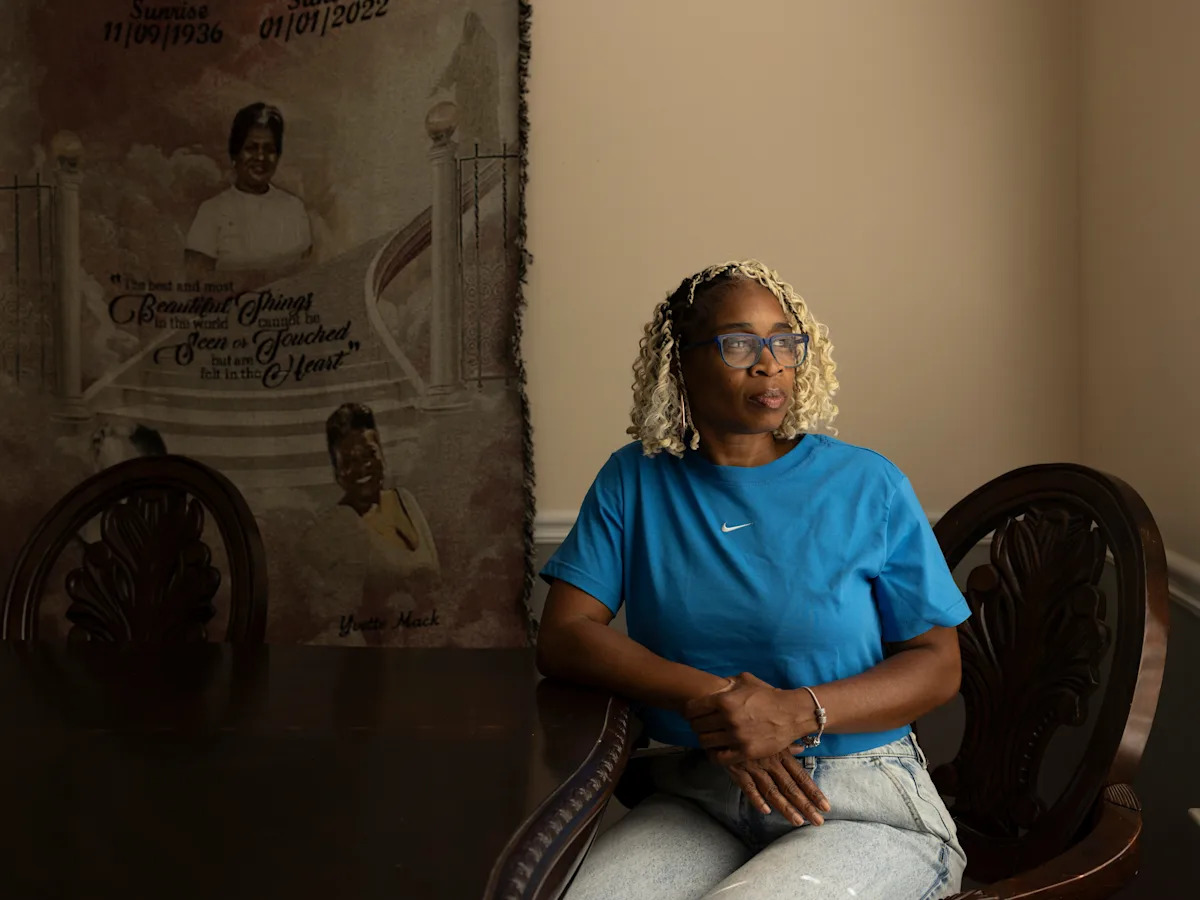
Business Insider first spoke with Harper in the summer of 2024. At the time, the single mom of three had begun teaching full time and felt stable enough to quit her part-time retail gigs. Now, she’s back to working multiple jobs — but she said life feels much more stable.
“Before basic income, I was pretty much homeless,” Harper said in April. “I was able to get a new apartment, substitute teach, and pay my rent because I had that extra income. Later, it led me to get a bigger apartment, and land an even better job.”


Cepia Harper
Kendrick Brinson for BI
Over the past decade, cities across America have run hundreds of basic income pilots. Advocates see payments as a potential solution for poverty or a supplement to existing social safety nets like SNAP and Section 8. Tech leaders have even suggested no-strings-attached cash as a means to support the white-collar workforce as AI reshapes the job market. Dozens of families told Business Insider they used the money to afford childcare, pay household bills, fund higher education, and pay off debt.
Most of these pilots study participants’ lives immediately before, during, and directly after receiving basic income. Data on the effects of cash aid years later is more limited.
Do you have a story to share? Reach out to this reporter at allisonkelly@businessinsider.com.
Harper is back to working multiple jobs, but feels more confident in her financial future
Harper qualified for the In Her Hands program — run through nonprofits The Georgia Resilience and Opportunity Fund and GiveDirectly — because her household income was below 200% of the federal poverty line, which is about $64,000 annually for a family of four. She said the monthly payments of $850 helped her move out of a family member’s home and secure her own place. It also helped her afford groceries and activities for her children without stress.