


Activism
/
December 26, 2025
Why we need a freedom agenda.
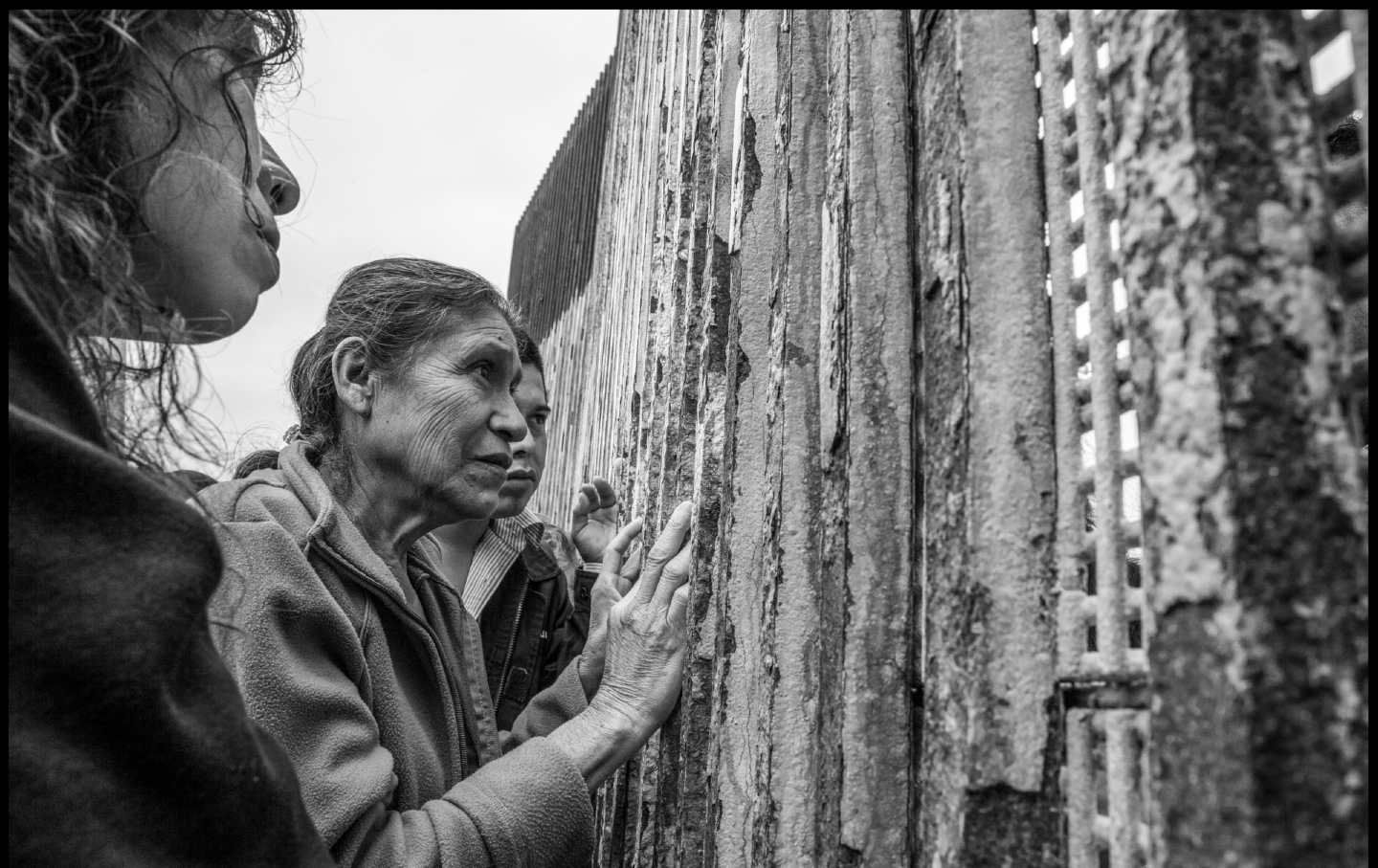
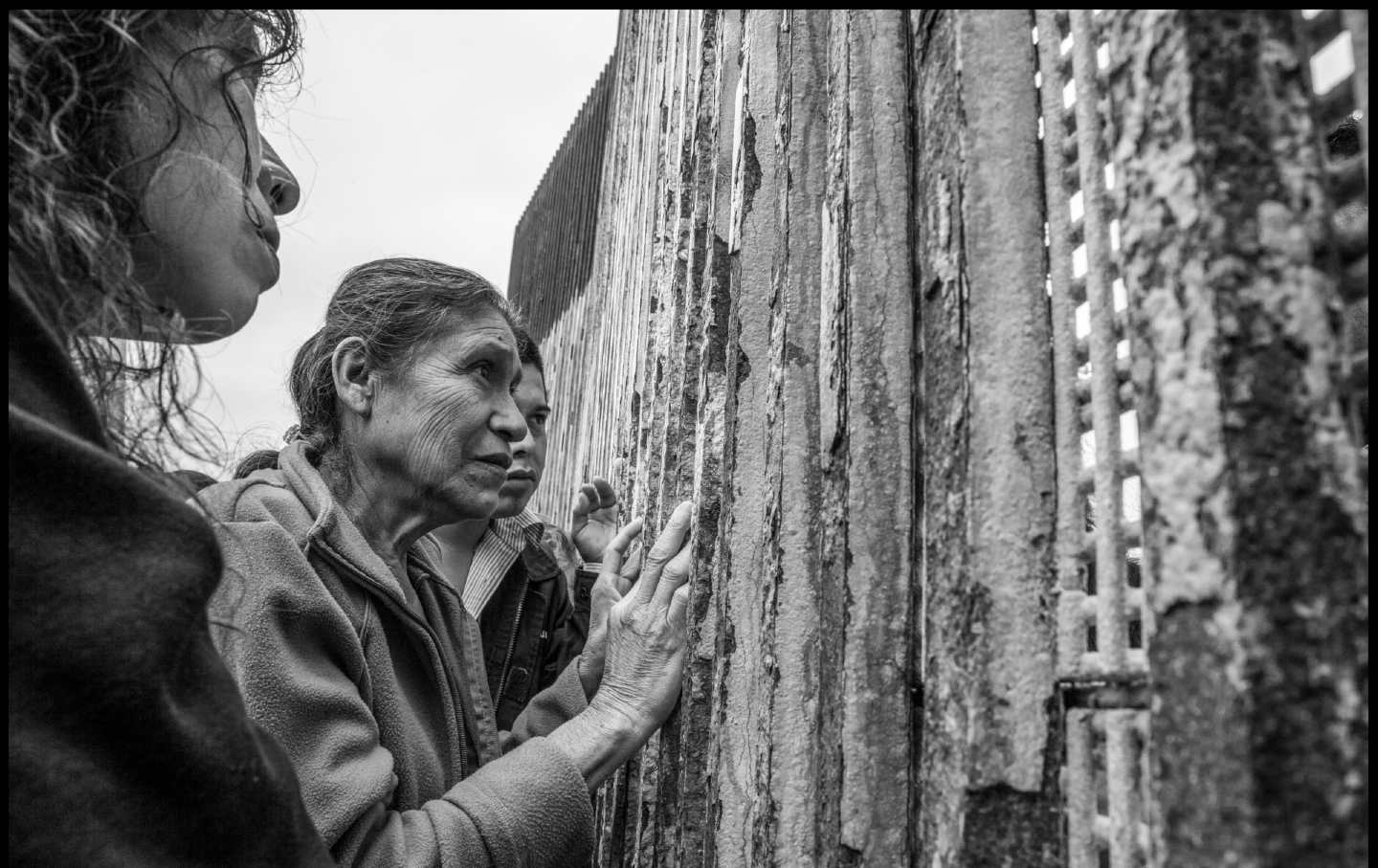 TIJUANA, BAJA CALIFORNIA NORTE – Catelina Cespedes, Carlos Alcaide and Teodolo Torres greet Florita Galvez, who is on the other side. The family came from Santa Monica Cohetzala in Puebla to meet at the wall. Meetings like this takes place every Sunday at the Parque de Amistad, or Friendship Park, in Playas de Tijuana, the neighborhood of Tijuana where the wall runs into the Pacific Ocean.
The night Zohran Mamdani was elected mayor of New York City, he called his triumph “the victory of the Bangladeshi aunty who knocked on door after door until her feet throbbed and her knuckles ached … of the Gambian uncle who finally saw himself and his struggle in a campaign for the city that he calls home.” Countering arguments that defending immigrants is an election loser, incompatible with fighting for jobs and living standards of all workers, Mamdani answered, “Dreaming demands solidarity … A life of dignity should not be reserved for a fortunate few. … We can be free and we can be fed.”
“We can be fed” is a call not just for municipal grocery stores but for attacking the corporate domination that keeps workers hungry and angry. To win an election, he says, candidates must defend workers’ class interests. But he combines this with “We can be free,” which means ending raids and detentions. Divided families hear that call, and white workers with German or Italian surnames should remember it from Ellis Island more than a century ago. On Angel Island in San Francisco Bay, those held in detention by racist anti-Chinese restrictions heard it too. It was a call to bring families together here, in the US
Mamdani’s embrace of immigrants recognizes a basic reality. Modern migration is the product of the exploitation of immigrant-sending countries, and of wars that are both a legacy of colonialism and an effort to keep a neocolonial system in place. Enforced debt, low wages, and resource extraction produce displacement and migration, but also make countries attractive to investors. They relocate production, taking advantage of the vast gulf created in the standard of living between the global south and the global north.
 TIJUANA, BAJA CALIFORNIA NORTE – A man on the Mexican side of the border wall between Mexico and the US, where the wall runs into the Pacific Ocean.
This system criminalizes all people who are displaced—migrants certainly, but also the unemployed and homeless who lose jobs in rich countries. Workers are pitted against each other, and political defenders of the system use this competition to keep them from changing it.
Militarism is the enforcer, whether ICE on the border and in immigrant communities, or armed intervention abroad and the threat of it. Immigrant workers suffer as a result, but so do workers in general. Huge budgets for ICE and “defense” soak up money for meeting social needs.
Immigrant communities and unions call instead for a freedom agenda: for family reunification and legal status for people already here;