


Acne is not only a problem for teenagers. Many adults also suffer from breakouts on their face and body. Acne can affect your confidence, your social life, and even your health. But what causes adult acne, and how can you treat it effectively?
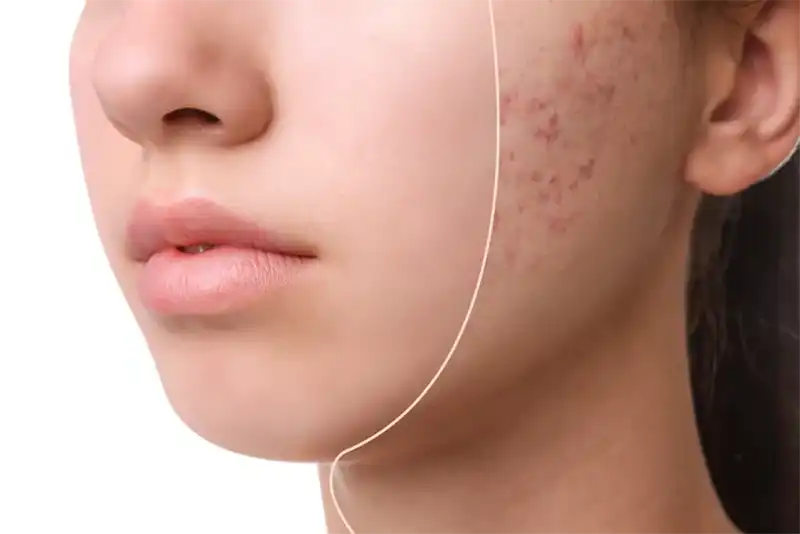 Acne treatment Demonstrating Acne on real face.
The main cause of adult acne is the same as teenage acne: excess oil production by the skin glands, which clog the pores and create an environment for bacteria to grow and cause inflammation. However, adult acne can also be influenced by other factors, such as:
- Hormonal changes: Women are more likely to have adult acne than men, especially during their menstrual cycle, pregnancy, menopause, or when they use hormonal contraceptives or therapies. Hormones can stimulate the skin glands and increase oil production.
- Stress: Stress can also affect your hormones and cause your body to produce more cortisol, a hormone that can increase inflammation and oil production. Stress can also weaken your immune system and make you more prone to infections.
- Diet: Certain foods can worsen acne, such as dairy products, refined carbs, sugar, and processed foods. These foods can raise your blood sugar and insulin levels, which can stimulate your hormones and inflammation. On the other hand, foods rich in antioxidants, omega-3s, zinc, and vitamin A can help lower inflammation and improve your skin health.
- Medications: Some medications can cause or aggravate acne, such as steroids, lithium, anticonvulsants, and some antidepressants. If you think that your medication is causing your acne, talk to your doctor about possible alternatives or adjustments.
- Skincare products: Some skincare products can clog your pores and cause acne, especially if they are too oily, greasy, or comedogenic. Look for products that are labeled as non-comedogenic, oil-free, or water-based, and avoid products that contain alcohol, fragrance, or harsh chemicals. Also, make sure to wash your face twice a day with a gentle cleanser and use a moisturizer that suits your skin type.
- Genetics: Some people are more genetically predisposed to acne than others, due to factors such as skin type, pore size, and sebum composition. If your parents or siblings have acne, you are more likely to have it too.
The treatment of adult acne depends on the severity, type, and cause of your acne. Some general tips for treating adult acne are:
- Use over-the-counter products that contain benzoyl peroxide, salicylic acid, or sulfur. These ingredients can help kill bacteria, unclog pores, and reduce inflammation. Start with a low concentration and gradually increase it if needed. Be careful not to overuse these products, as they can dry out or irritate your skin.
- Consult a dermatologist if your acne is moderate to severe, persistent, or resistant to over-the-counter products. Your dermatologist may prescribe topical or oral medications, such as antibiotics, retinoids, or hormonal therapies, that can target the underlying cause of your acne and prevent scarring.