

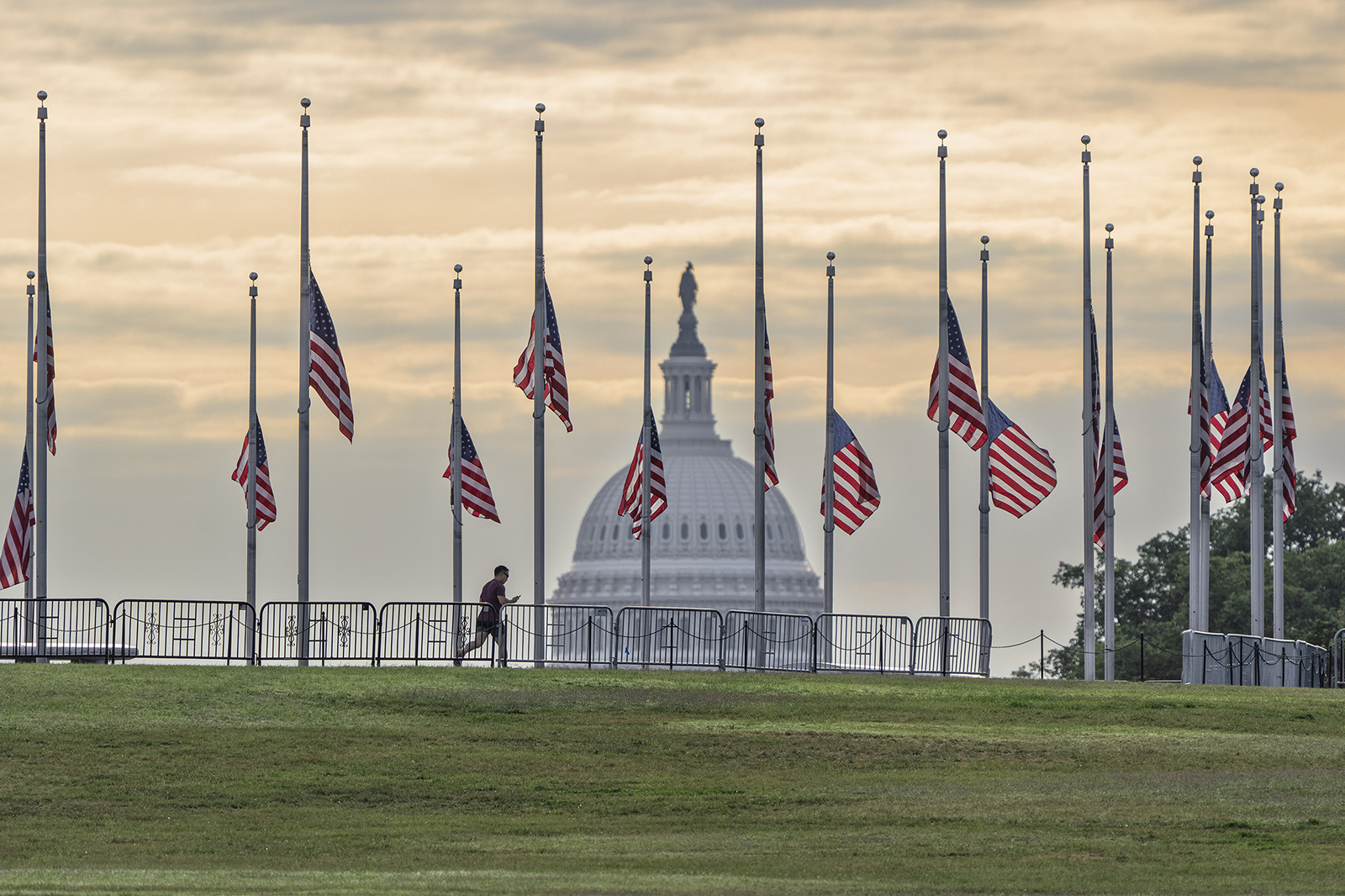

(RNS) — When I first heard the news of the shooting of young students at Annunciation Catholic Church in Minneapolis, my mind went to the victims, the children, the families and the parish community whose lives have been shattered. These families are living through every parent’s nightmare: sending their children to school and Mass, only to learn that those very places of safety have become the target of violence.
The setting was all too familiar, and it felt like I’d been to the school a thousand times — even though I had never been there once. Throughout my professional life, first in national security and now with the Anti-Defamation League, my Catholic school education has been a consistent moral guide. Catholic education’s focus on virtues like compassion, responsibility and the pursuit of social justice are the antithesis of those that drove the shooter to carry out this rampage, and they are the values that drove me into a life of public service with an emphasis on countering violent extremism.
Very quickly though, another instinct took over — one I developed during my years at the Department of Justice and the Department of Homeland Security, including during long nights on the White House National Security Council staff responding to tragedies like the Boston Marathon bombing.
That instinct is to start asking questions: What drove the attacker to commit this act? Were there warning signs that someone saw but didn’t act on? Could this have been stopped?
And perhaps the most worrying question of all: How can we prevent it from happening again?
At ADL, where I now serve as a senior executive, we have tracked this pattern for years. After the Minneapolis attack, our Center on Extremism documented how the shooter scrawled hateful messages on weapons targeting Christians, Jews, Muslims, Black people, LGBTQ+ individuals and others, alongside references to previous attackers.
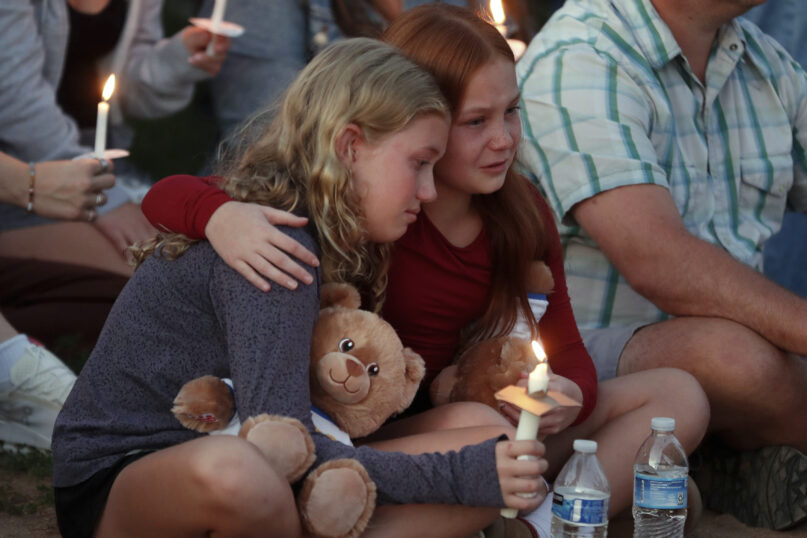
People gather at a vigil at Lynnhurst Park after a shooting at the Annunciation Catholic Church, Aug. 27, 2025, in Minneapolis. (AP Photo/Bruce Kluckhohn)
It is a disturbing but familiar truth: These tragedies do not occur in isolation. They feed on one another, amplified by online spaces where violence is glorified and hate metastasizes. Our recent research shows how online forums that celebrate gore and death influence vulnerable young people and accelerate their path toward violence. No doubt, someone out there will be “inspired” by this heinous act.
This is why ADL is taking action to support law enforcement, educators and parents in understanding the dangers of these hateful online communities. We are reaching out to 16,000 school superintendents to urge them to consider how their students may be able to access the type of dangerous content that leads to school shootings like these.
But much more needs to happen to stop the cycle of extremism. We need Congress and state legislatures to pass stronger internet safety laws that protect young users from consuming harmful online content.