


After almost three decades of orbiting the Earth, the satellite ERS-2 is now making its final descent, scheduled to re-enter the Earth’s atmosphere tomorrow. This marks the end of a long journey for ERS-2, which was launched in 1995 and has been instrumental in conducting surveys of Earth’s topography and natural phenomena for the European Space Agency (ESA).
As ERS-2 prepares for its fiery demise, it is a fitting moment to reflect on the significant contributions it has made to our understanding of Earth’s environment and geological features. The data gathered by ERS-2 over the years has been invaluable in various scientific studies and research efforts.
The Legacy of ERS-2
Throughout its mission, ERS-2 has provided crucial information on Earth’s topography, ice coverage, and changes in the environment. The satellite’s observations have been used to monitor climate change, natural disasters, and other important global phenomena.
One of the key achievements of ERS-2 has been its role in mapping the Earth’s surface with unprecedented detail and precision. The satellite’s high-resolution images have helped scientists and researchers study geological features, monitor land use changes, and track environmental trends over time.
Future Missions and Technologies
As we bid farewell to ERS-2, it is essential to look towards the future of satellite technology and space exploration. New missions and advancements in satellite technology are paving the way for even greater discoveries and insights into Earth’s dynamic processes.
From capturing images of distant planets to monitoring Earth’s climate patterns, satellites play a crucial role in expanding our knowledge of the universe and shaping our understanding of the world we live in. The legacy of ERS-2 will continue to inspire future generations of scientists and engineers to push the boundaries of space exploration and scientific research.
As ERS-2 enters its final phase of descent, we salute the satellite for its remarkable contributions to science and our understanding of Earth. May its legacy live on in the countless discoveries and advancements it has facilitated over the years.
The Upcoming Reentry of a Massive Satellite
Experts have announced that a 5,000-pound dead satellite, reminiscent of a spaceship from a popular sci-fi franchise, is currently on a crash course towards Earth. This occurrence isn’t as rare as one might think, with similar situations happening every week or two.
A Historical Space Mission
Back in 1995, the European Space Agency launched the European Remote Sensing 2 (ERS-2) satellite from Kourou, French Guiana. This satellite was an integral part of observing the planet’s topography and monitoring various weather events, including natural disasters in remote and challenging environments. Alongside its counterpart, ERS-1, these satellites were considered the most advanced Earth observation spacecraft of their time.
Retirement and Deorbiting Process
After serving its purpose for over a decade, the ESA made the decision to retire the ERS-2 satellite in July 2011. A scheduled deorbiting process began, with the satellite undergoing 66 maneuvers over a month to descend from a high altitude to a lower one. Now, ERS-2 is caught in Earth’s gravitational pull, steadily picking up speed as it heads towards the planet.
The Final Descent
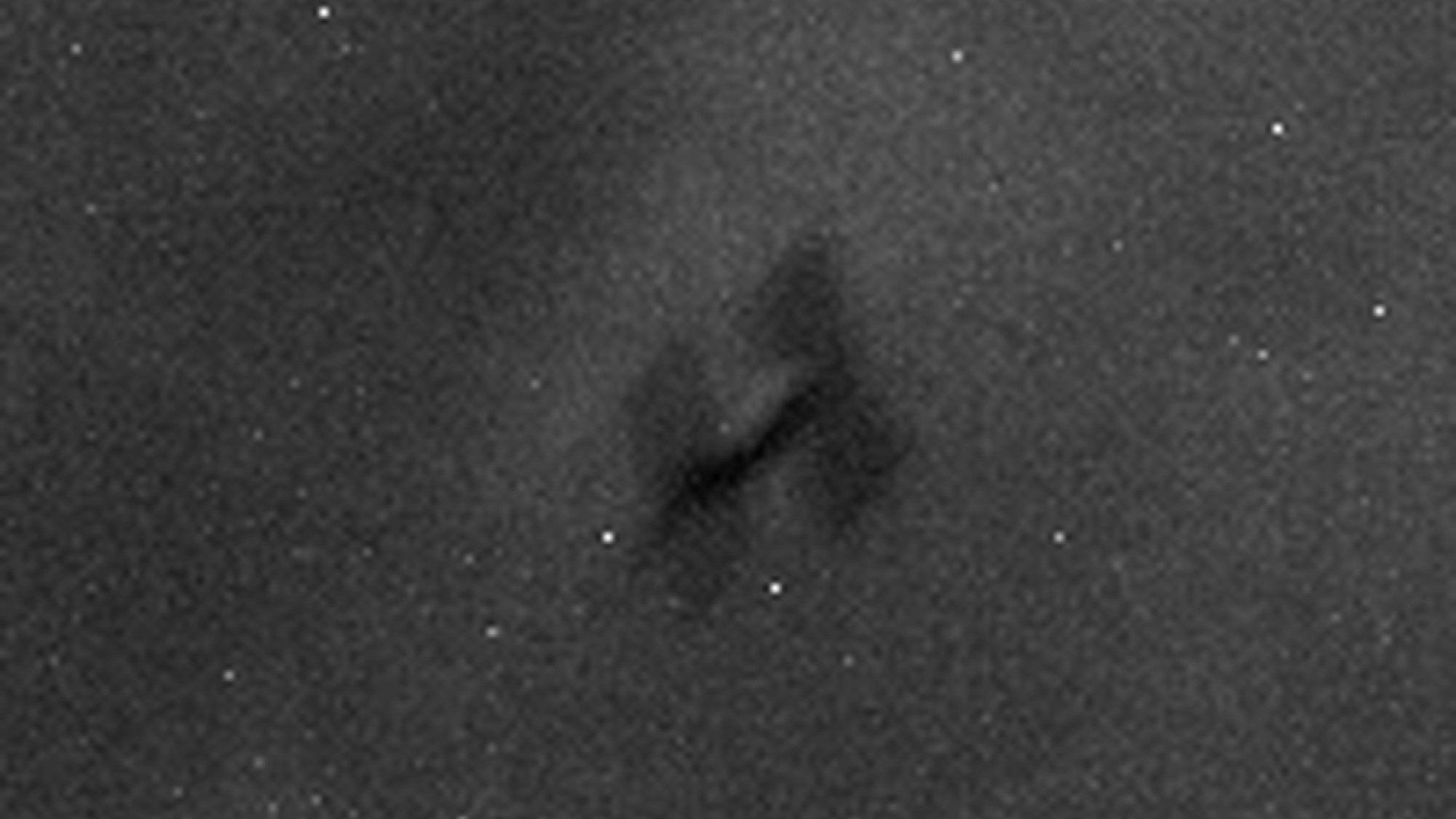
Recent images, taken by the Australian company, HEO, show ERS-2 in its final descent. From the perspective of the camera, the satellite bears a striking resemblance to a TIE Fighter from the Star Wars franchise. However, there is no cause for concern, as ERS-2 is currently falling at a rate of over 6.2 miles per day. As it nears its final moments, it is expected to break up and disintegrate harmlessly into dust and ash, posing minimal risk to anything or anyone on the ground.
Anticipated Burn Time
According to estimates from the ESA, ERS-2 is projected to burn up around 3:53 PM EST on Wednesday. However, there is a potential 7-hour window on either side to allow for any unforeseen factors, such as unpredictable solar activity, that could affect its descent speed. The exact location of the satellite’s reentry is challenging to predict at this time.
In conclusion, the upcoming reentry of the ERS-2 satellite serves as a reminder of the intricate processes involved in space missions and the meticulous planning required for their safe conclusion.Enhanced geolocation estimations are anticipated in the upcoming 24 hours as ERS-2 prepares for reentry. The process of deorbiting the satellite has been meticulously documented with photos, providing a fascinating insight into the intricate maneuvers involved.
The advancement in technology allows for more precise calculations of the satellite’s trajectory as it nears the Earth’s atmosphere. This information not only aids in tracking the satellite’s path but also contributes to a better understanding of space debris management.
The images captured during the deorbiting process offer a visual representation of the intricate procedures undertaken to safely guide the satellite back to Earth. They showcase the precision and complexity involved in space missions, highlighting the expertise and dedication of the teams responsible for such operations.
As ERS-2 continues its trajectory towards reentry, the data collected will be invaluable for future missions. The lessons learned from this process will inform and improve upon future satellite deorbiting procedures, ensuring the efficiency and safety of such operations in the ever-expanding realm of space exploration.
The reentry of ERS-2 serves as a reminder of the continuous evolution and innovation within the field of space technology. It showcases the collaboration and expertise of numerous teams working together to achieve a common goal, highlighting the ongoing advancements in space exploration.
As we eagerly await more accurate geolocation estimates in the coming days, the successful deorbiting of ERS-2 stands as a testament to human ingenuity and perseverance in the vast expanse of outer space.