

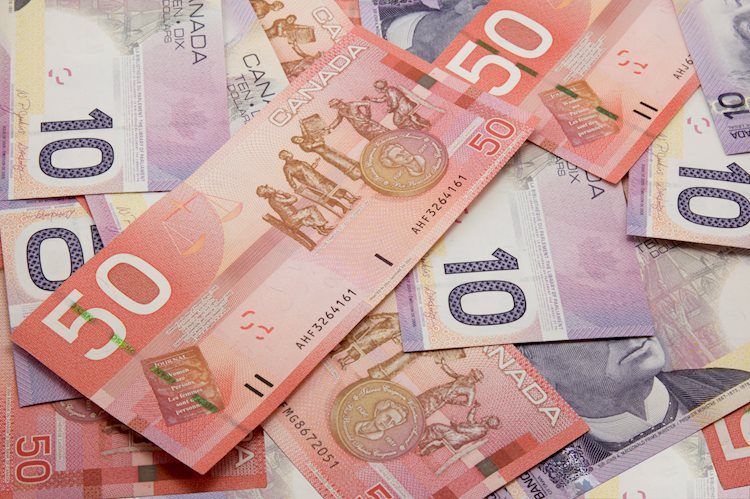

Analyzing the Current State of the Canadian Dollar
Canadian Dollar Stability Amid Mixed Economic Data
The Canadian Dollar (CAD) showed signs of stabilization after a brief decline, although a full recovery remains uncertain due to conflicting economic indicators in Canada. Investors observed closely the remarks of Bank of Canada (BoC) Governor Tiff Macklem during his speech at the Montreal Council on Foreign Relations, addressing the effectiveness and limitations of monetary policy.
In December, Canada experienced a significant drop in Building Permits, coupled with downward revisions to previous months’ data. Despite this, the Ivey Purchasing Managers Index (PMI) for January displayed a slight increase, helping to counterbalance the negative impact of the Building Permits report. Additionally, stagnant Crude Oil prices have provided some support to the Canadian Dollar, but overall trading activity remains subdued.
Key Insights from BoC Governor Macklem’s Speech
- BoC Governor Macklem emphasized the BoC’s stance on interest rates, stating that a rate of 5% is currently deemed sufficient for curbing inflationary pressures.
- Macklem highlighted the shift in policy discussions towards the duration of maintaining restrictive policies, rather than the need for further tightening.
- He acknowledged the slow pace of inflation recovery and identified housing costs as a substantial contributor to inflationary pressures.
Recent Economic Indicators and Market Trends
- Building Permits in Canada plummeted by 14% in December, significantly below expectations and marking the lowest reading since April.
- The Ivey PMI for January saw an unadjusted uptick to 54.4, signaling a positive trend in economic activity.
- Markets anticipate the release of the Bank of Canada’s Summary of Deliberations and labor-related data later in the week for further insights into the Canadian economy.
Current Canadian Dollar Performance
Today, the Canadian Dollar displayed varying performance against major currencies, with the strongest showing against the US Dollar. The table below illustrates the percentage changes:
| USD | EUR | GBP | CAD | AUD | JPY | NZD | CHF | |
|---|---|---|---|---|---|---|---|---|
| USD | -0.07% | -0.47% | -0.40% | -0.56% | -0.46% | -0.38% | -0.04% | |
| EUR | 0.07% | -0.40% | -0.34% | -0.50% | -0.40% | -0.31% | 0.03% | |
| GBP | 0.46% | 0.40% | 0.05% | -0.56% | -0.10% | 0.00% | 0.09% | |
| CAD | 0.40% | 0.34% | -0.05% | – | -0.16% | -0.05% | 0.03% | |
| AUD | 0.56% | 0.50% | 0.11% | 0.17% | -0.12% | 0.10% | 0.20% | |
| JPY | 0.46% | 0.40% | 0.00% | 0.04% | -0.12% | – | 0.10% | |
| NZD | 0.38% | 0.30% | -0.08% | -0.04% | -0.19% | -0.09% | – | |
| CHF | 0.05% | -0.02% | -0.42% | -0.36% | -0.52% | -0.42% | -0.33% |
Overall, the Canadian Dollar’s performance reflects a balanced position in the currency markets, influenced by domestic economic factors and global trends.