

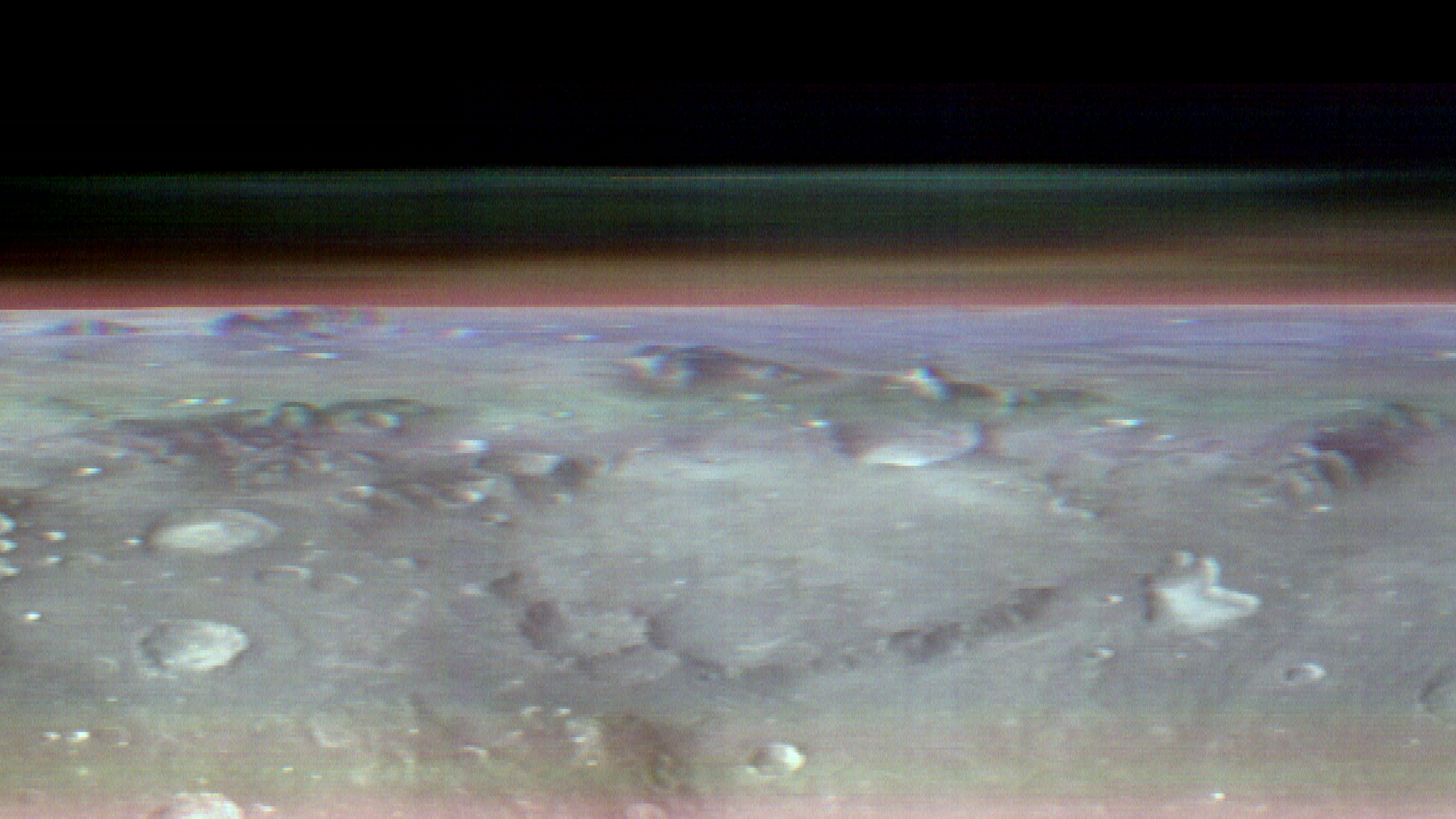

The Moral Dilemma of Planetary Engineering
When discussing the concept of planetary engineering, it is crucial to delve into the ethical considerations that come with such endeavors.
Exploring Ethical Concerns
Renowned scientist Carl Sagan once famously stated, “If there is life on Mars, I believe we should do nothing with Mars.” This statement raises important questions about the impact of human intervention on alien worlds.
The Mars Dilemma
NASA’s images of the Martian surface provoke contemplation about the fragility and uniqueness of extraterrestrial ecosystems. Terraforming Mars, while an intriguing possibility, poses a significant ethical dilemma.
Sharing and Reflecting
Before proceeding with any large-scale planetary engineering projects, it is essential for individuals to consider the broader implications and consequences of their actions. Ethical assessments must precede scientific advancements in this realm.
Discussion and Debate
Engaging in discussions about the ethical dimensions of planetary engineering is crucial for fostering a more nuanced understanding of our impact on the universe. It prompts reflection on our responsibility as stewards of the cosmos.
The Complexities of Planetary Engineering
The idea of transforming a planet or moon into a more Earth-like environment through terraforming is a concept that has been gaining momentum among futurists and space settlement enthusiasts. While the environmental risks of space exploration, habitation, and resource extraction are well-known, terraforming poses a whole new set of challenges and ethical considerations.
Terraforming involves altering the atmospheric chemistry, pressure, and temperature of an entire planet or moon to create a habitable environment for humans. Unlike artificial space habitats that mimic Earth’s conditions within enclosed spaces, a terraformed planet would require minimal technological intervention in the long term. Once the initial terraforming process is complete, the environment should be self-sustaining and able to support life without constant human intervention.
One of the key figures in planetary science, Christopher McKay, has outlined the criteria for a successfully terraformed planet. According to McKay, a terraformed environment must be stable over long periods and not reliant on ongoing technological support. This means that the planet should operate much like Earth’s natural environment, with minimal human interference needed to maintain its habitability.
A classic example of terraforming speculation is Carl Sagan’s proposal to transform Venus through microbiological re-engineering using blue-green algae. By introducing these algae into Venus’s atmosphere, Sagan suggested that they could convert the planet’s carbon dioxide into oxygen, reducing the greenhouse effect and lowering surface temperatures. Similarly, Mars has been identified as a prime candidate for terraforming due to its thin atmosphere and lack of liquid water on the surface.
Sagan also proposed various strategies for terraforming Mars, including spreading dark materials on the polar ice caps to absorb more heat from the Sun, releasing water vapor and carbon dioxide into the atmosphere. Other researchers have explored ideas such as importing greenhouse gases to increase surface temperatures, building orbital mirrors to reflect sunlight onto the planet, and deploying genetically engineered microbes to alter atmospheric and surface chemistry.
The concept of terraforming presents a multitude of scientific, ethical, and practical challenges that must be carefully considered before any attempts are made to transform a planet or moon into a new Earth-like environment. As we continue to explore the possibilities of planetary engineering, we must also weigh the potential consequences and ethical implications of such drastic alterations to celestial bodies beyond our own.Exploring the Concept of Terraforming Alien Worlds
Why Terraforming Alien Worlds is a Fascinating Scientific Endeavor
Terraforming alien worlds has always been a hot topic in the scientific community. The idea of transforming inhospitable planets into habitable ones for human colonization has captivated the imagination of many researchers and science fiction enthusiasts.
The Potential Benefits of Terraforming
Terraforming could potentially provide a solution to the problem of overpopulation on Earth. By expanding our living space to other planets, we could alleviate the strain on our resources and ensure the long-term survival of our species.
Challenges and Considerations
However, terraforming is not without its challenges. The process of transforming a barren planet into a hospitable environment is a daunting task that requires advanced technology and a deep understanding of planetary science. Factors such as atmospheric composition, temperature regulation, and soil composition all need to be carefully considered.
Examples of Successful Terraforming in Science Fiction
Science fiction has often explored the concept of terraforming alien worlds in great detail. One famous example is the planet of Mars in Kim Stanley Robinson’s Mars trilogy, where humans use advanced technology to transform the Martian landscape into a habitable environment.
Current Progress and Future Possibilities
While we may still be far from the technology needed to terraform alien worlds, research in the field is ongoing. Scientists are constantly studying planetary science and developing new technologies that could one day make terraforming a reality.
In conclusion, the concept of terraforming alien worlds is a fascinating scientific endeavor that has the potential to revolutionize the way we think about space exploration and colonization. While there are still many challenges to overcome, the possibilities are endless, and the future of terraforming remains an exciting area of research.