

Topline
Denzel Washington is facing criticism from Tunisian officials and media for his casting in an upcoming Netflix movie as the legendary warrior Hannibal, who was born in Tunisia but is of West Asian descent, making him the latest actor this year to face backlash for not matching the ethnic or racial origin of his character.
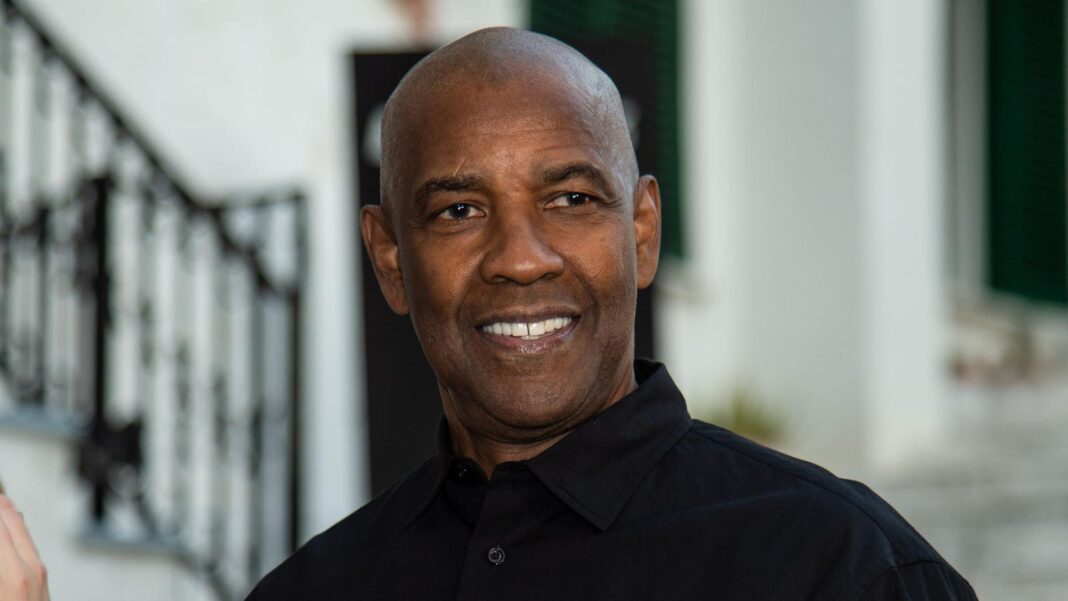
Some Tunisian politicians and media outlets criticized Washington’s casting as Hannibal. (Photo by Ivan Romano/Getty Pictures)
Getty Pictures
Key Facts
Washington, a Black actor, is set to portray the Carthaginian general Hannibal in an upcoming movie, which has drawn the ire of some Tunisian officials because historians mostly believe Hannibal is of Phoenician descent, coming from an area in modern-day Lebanon.
Hannibal, recognized as one of the greatest ancient military generals, is remembered as a hero in Tunisia: many stores and hotels bear his name, his face has long graced Tunisian currency and he’s considered a source of national pride.
Tunisian Member of Parliament Yassine Mami criticized Washington’s casting, stating the movie risks “falsifying history.”
Tunisian culture minister Hayet Ketat-Guermazi acknowledged that even though Netflix has the “right to do what they want,” she urged the studio to film part of the movie in Tunisia, adding “we are all proud that he was Tunisian.”
La Presse, a Tunisian newspaper, criticized Washington’s casting as a “historical error,” and blamed the casting decision on the “woke” movement.
Key Background
Several recent movies and television series have come under fire for casting actors to portray characters of a different racial or ethnic origin. Bradley Cooper and Helen Mirren both faced criticism for portraying Jewish characters this year, while neither actor is Jewish. Cooper attracted controversy for the use of a prosthetic nose to play composer Leonard Bernstein in “Maestro,” which critics considered antisemitic and evocative of negative stereotypes about Jewish people. In a statement cosigned by Berstein’s children, his estate said Cooper’s decision to wear the prosthetic nose was “perfectly acceptable.” Earlier this year, Netflix came under fire for casting Adele James, a mixed-race Jamaican and English woman, in “Queen Cleopatra” as the titular Egyptian ruler, whose racial identity has long been the subject of debate. Egypt’s antiquities ministry released a statement amid the controversy, citing experts who said Cleopatra had “white skin and Hellenistic features.” Egyptian archaeologist Mostafa Waziri said Netflix’s portrayal of the ruler was a “falsification of Egyptian history and a blatant historical fallacy.” He denied the backlash to James’ casting was racist, stating he was concerned with preserving Cleopatra’s history. “Queen Cleopatra” producers defended their casting decision, stating: “We did intentionally decide to depict her of mixed ethnicity to reflect theories about Cleopatra’s possible Egyptian ancestry and the multicultural nature of Ancient Egypt.” Remakes of several classic Disney movies have come under fire this year for casting actors whose racial identities did not match the characters’ portrayal in the original.