

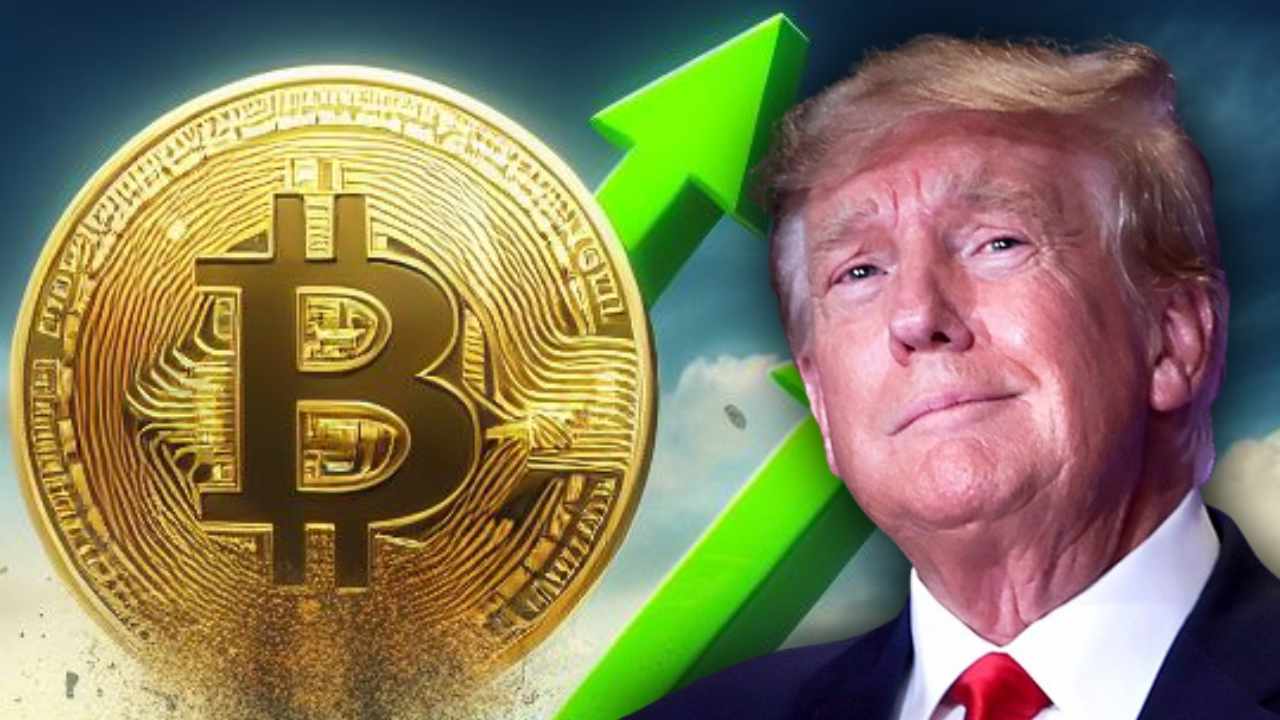

The increasing prominence of cryptocurrencies, particularly Bitcoin, has caught the attention of former U.S. President Donald Trump, who now views it as an “additional form of currency.” Trump acknowledges the growing popularity and acceptance of Bitcoin, stating that it has developed its own ecosystem and utility that cannot be ignored.
In a shift towards modern payment methods, Trump has enabled the option for customers to pay for his merchandise using cryptocurrencies. This move reflects the increasing mainstream adoption and integration of digital assets into everyday transactions.
While the concept of Bitcoin as a form of currency may have initially raised eyebrows, its continued growth and acceptance in various sectors have solidified its status as a viable financial solution. The decentralized nature of cryptocurrencies and the increased security and transparency they offer have made them an attractive alternative to traditional forms of payment.
The use of cryptocurrencies, including Bitcoin, has gradually become more widespread, with individuals and businesses alike recognizing the benefits of this digital currency. Trump’s willingness to embrace and facilitate transactions in Bitcoin signals a broader trend towards acceptance and integration of cryptocurrencies into the mainstream economy.
As the cryptocurrency market continues to evolve and expand, the acknowledgment and endorsement of prominent figures like Trump further validate the legitimacy and potential of digital assets. The integration of cryptocurrencies into everyday transactions is a significant step towards creating a more inclusive and efficient financial system.
In conclusion, Trump’s recognition of Bitcoin as an “additional form of currency” underscores the growing importance and relevance of cryptocurrencies in today’s financial landscape. By embracing digital assets and enabling their use in transactions, individuals and businesses can tap into the numerous benefits offered by this innovative technology.