


A Deep Dive into the AY-3-8910 Synthesizer Chip
The AY-3-8910 synthesizer chip is a fascinating piece of technology that has caught my interest. Previously, I had used this chip in the psc, but I began to wonder about the possibilities of creating a standalone AY-only synth.
Initially, I only had two of these chips in my possession, one for the psc project and another as a spare. To explore the idea of a dedicated AY synthesizer, I decided to acquire more chips. After stumbling upon a listing on AliExpress offering a lot of 10 chips for a mere £7, I took a chance and made the purchase. Upon receiving the package from China, I was pleasantly surprised to find 10 genuine AY-3-8910 chips inside.
Despite my initial skepticism due to the pristine condition of the chips and their varying appearances, I proceeded to test their authenticity. Connecting one of the chips to an ESP32-S3 microcontroller and running a modified version of the psc code, I confirmed that at least two of the chips were indeed authentic AY-3-8910 chips. With this validation, I now have the green light to embark on the development of a fully-fledged AY synthesizer incorporating a minimum of two chips.
The Next Phase: AY Synthesizer Development
As I delved deeper into the world of AY-3-8910 chips, I was eager to explore the potential of creating a multi-chip chip-tune synth. This project involved connecting the AY chips to a microcontroller and designing a VCF filter to enhance the sound capabilities of the synthesizer.
Setting Design Goals and Crafting Firmware
To kick off the development process, I outlined clear design goals for the AY synthesizer. Additionally, I began working on firmware for the ESP32-S3 microcontroller to facilitate seamless integration with the AY chips and other components of the synthesizer.
Exploring Units and Compatibility Challenges
As the project progressed, I identified various units within the synthesizer, including usb, midi, touch, ay, dac, and tft units. Each unit played a crucial role in shaping the overall functionality of the synthesizer. However, I encountered compatibility issues that required troubleshooting, such as alternative graphics libraries, SPI bus splitting, and SPI bus debugging.
Navigating PCB Design and Hardware Assembly
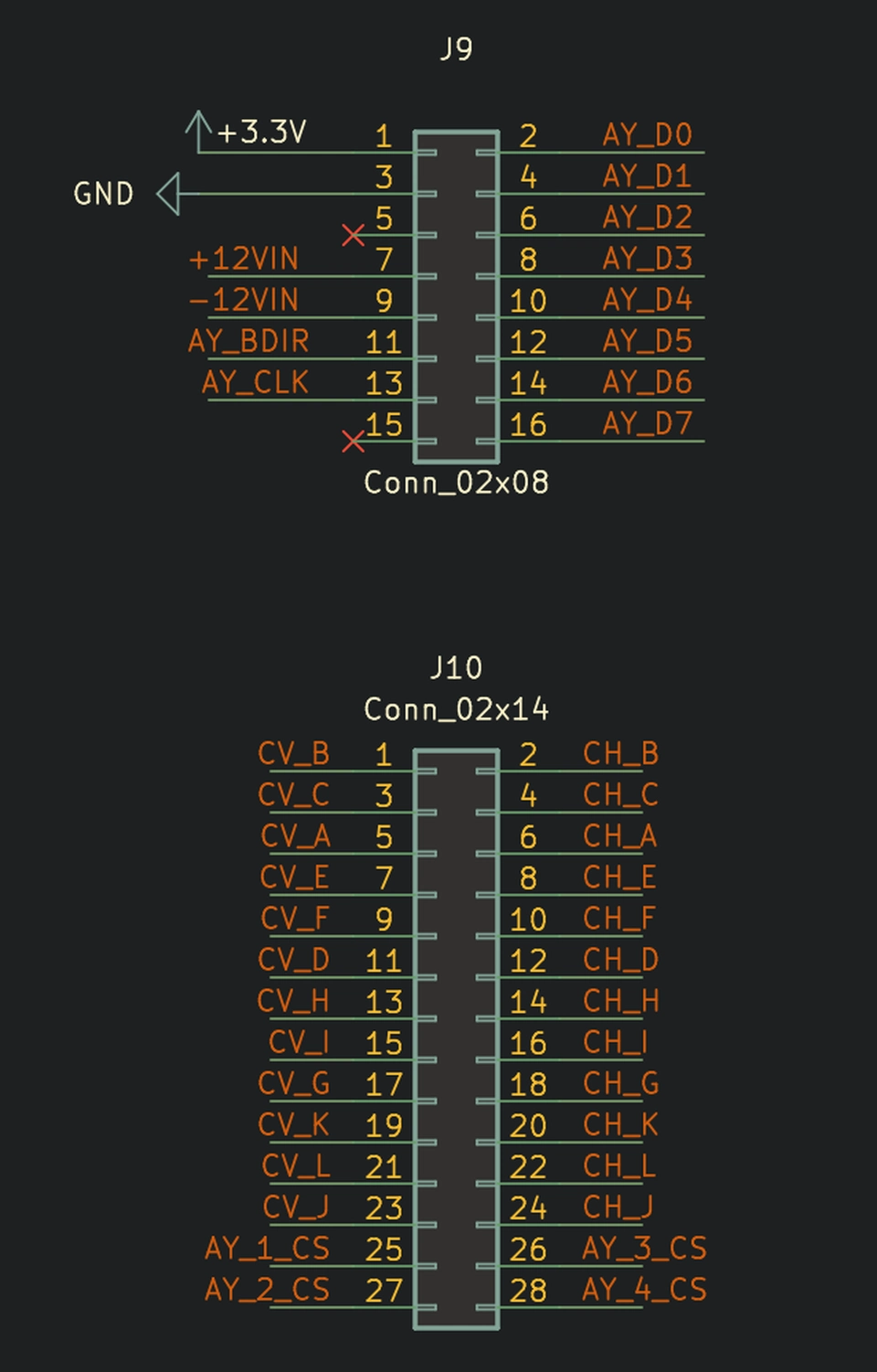
The development process also involved designing the PCB layout and assembling the hardware components of the synthesizer. Considerations such as overall dimensions, I/O interfaces, and control mechanisms were crucial in ensuring the optimal performance of the synth.
A Call for Collaboration
If you’re passionate about electronics and are interested in contributing to this project, I welcome your expertise and support. Together, we can push the boundaries of AY-3-8910 synthesizer technology and create something truly remarkable.
Conclusion
In conclusion, the journey towards building a fully AY synthesizer has been both challenging and rewarding. With the support of the community and a dedicated approach to innovation, I am excited to see where this project will lead. Stay tuned for future updates and continued progress on this exciting endeavor!