


This is the second in a series of articles about faith and protest.
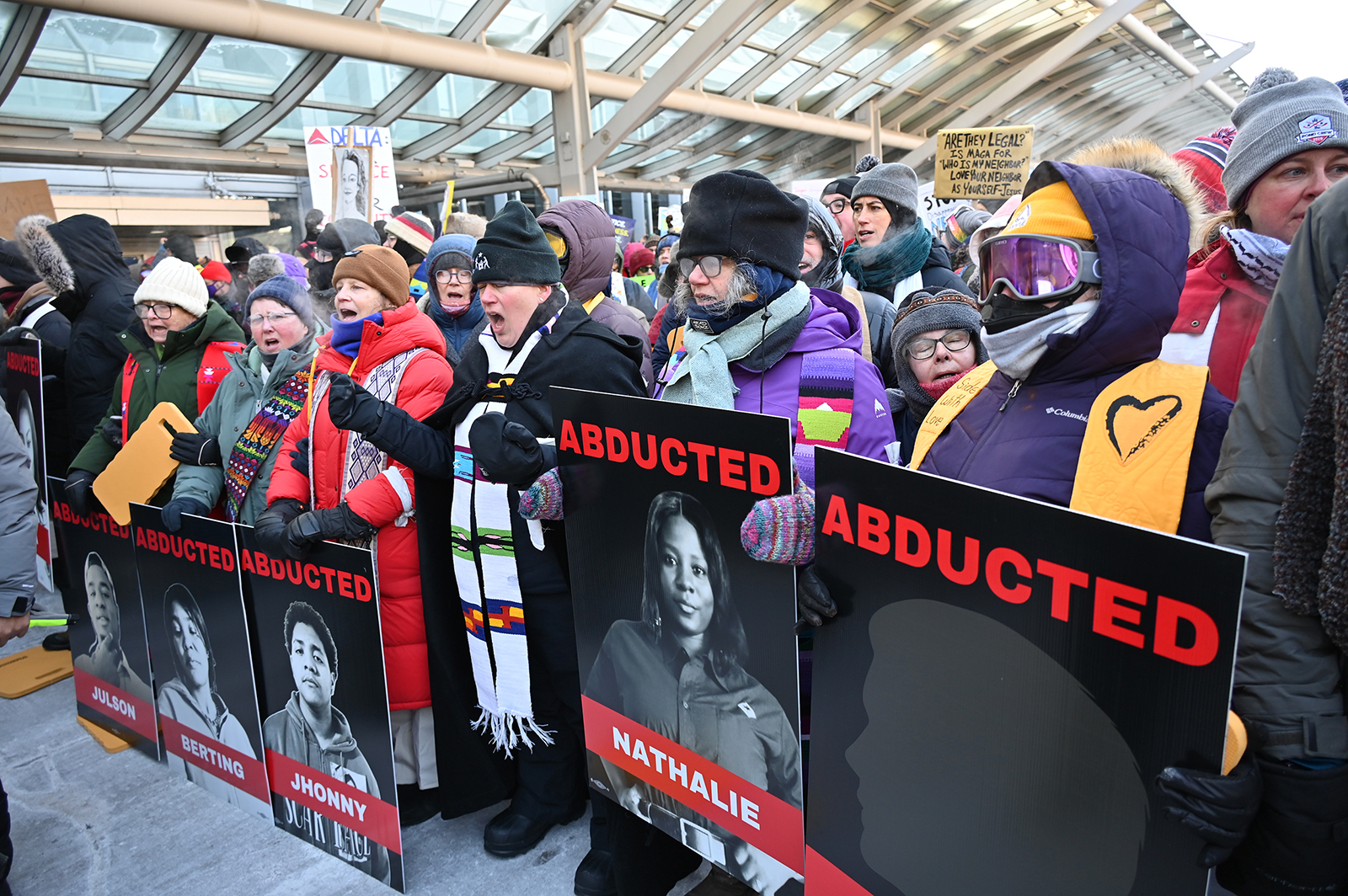
(RNS) — In January 2025, President Trump signed an executive order lifting a 14-year ban on enforcing immigration laws at sensitive locations like churches and schools. It was part of a larger crackdown on mass arrests and deportations that instilled fear in immigrants across the country — and galvanized faith communities and leaders, who drew on a tradition stretching back to the Hebrew Bible to protect and advocate for immigrants.
The crackdown reignited tension between the U.S. government and religious communities over immigration that has flared on and off ever since the birth of the “sanctuary movement” in the early 1980s, when churches and synagogues began offering shelter and support for undocumented immigrants, believing they were obeying a higher moral obligation than U.S. laws. Today the movement continues — and is still led by clergy and religious groups — though the focus has shifted from offering physical shelter to providing aid to immigrants too fearful to leave their homes.
The concept of sanctuary has deep biblical roots: the Bible’s “cities of refuge” where the accused could seek fair hearings; more than 30 Bible verses commanding Israelites to welcome strangers; and the Holy Family’s own flight into Egypt. “Jesus was a refugee. Migration, exile, diaspora. It’s not just here and there in the Bible; it characterizes the Bible,” said Lloyd Barba, assistant professor of religion at Amherst College and co-author of “Sanctuary in America.” “Some people say the Bible is a book by migrants for migrants.”
In fact, from as early as the fourth century, church buildings have been considered places of refuge for people accused of crimes or who sought mediation in disputes, scholars say. That tradition continued through the Middle Ages and was largely respected by secular authorities. A similar conviction — that moral law outweighs unjust civil authority — animated Quakers and other abolitionists who defied the 1850 Fugitive Slave Act to help enslaved people escape.
The modern sanctuary movement emerged in the early 1980s, when two men — John Fife, the pastor of Southside Presbyterian Church in Tucson, Arizona, and James Corbett, a Quaker rancher — began sheltering migrants who fled violence in El Salvador and Guatemala and made the perilous trek across the Sonoran Desert from Mexico.

The Rev. John Fife addresses the General Assembly of the Presbyterian Church (U.S.A.) in June 1992, in Milwaukee, Wis. (Video screen grab)
Because these Central American regimes were anti-communist, the Reagan administration backed them and refused asylum to most of their refugees while admitting refugees from communist countries at much higher rates. Arguing the Central Americans were instead economic migrants, many were sent back to their home countries, often to face persecution or death. Appalled, Fife and Corbett began to speak out. In 1982, Southside Presbyterian was declared a sanctuary church.
Working with mainline Protestants, Catholics and Jews, Fife and Corbett soon created a network of about 500 churches and synagogues that sheltered and transferred undocumented people around the country — an operation they likened to the Underground Railroad.