

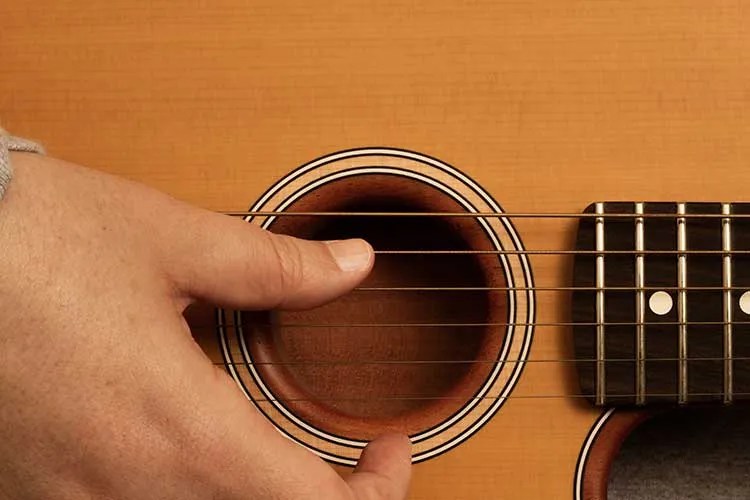

Enhancing Rhythmic Independence for Fingerstyle Guitar Players
Developing rhythmic independence for the picking-hand thumb in fingerstyle guitar playing can be a challenging yet incredibly rewarding process. By mastering these techniques, guitarists can introduce unique variations to traditional picking patterns and embrace new and exciting grooves inspired by music from Africa and the Caribbean.
Exploring Diverse Rhythmic Patterns
Most acoustic fingerpicking styles conventionally center around the thumb hitting beats 1 and 3. Travis picking, a popular technique synonymous with artists like Simon and Garfunkel, Fleetwood Mac, and Kansas, exemplifies this rhythmic approach. However, studying the style as played by its originator, Merle Travis, unveils a deeper level of complexity. The use of a thumbpick and index finger results in rich and intricate rhythmic phrasing.
Alternative Approaches to Alternating Bass Style
In the context of alternating bass style, some guitarists opt for a flatpick with their third and fourth fingers rather than the traditional second and third fingers. This adaptation maintains the emphasis on on-the-beat thumb notes while allowing the fingers to experiment with offbeat rhythms. This technique draws inspiration from ragtime piano playing, where syncopated right-hand patterns complement a steady left-hand rhythm.
Breaking the Four-Square Feel
Instead of adhering strictly to on-the-beat picking patterns, guitarists can infuse their playing with subtle accents to create a more dynamic and engaging sound. By introducing a “push” accent—an emphasis placed slightly before the expected beat—players can disrupt the predictability of their rhythm patterns and add a sense of forward momentum to their music.
Exploring New Rhythmic Possibilities
Experimenting with different rhythmic variations, such as shifting notes forward by a 16th note, can yield unexpected and interesting results. While these patterns may initially feel unconventional, integrating them into a larger musical context can lead to innovative and captivating musical expressions.
Elevating Your Fingerstyle Playing
By honing rhythmic independence in the picking-hand thumb, guitarists can unlock a world of creative possibilities and expand their musical horizons. Embracing diverse rhythmic patterns and exploring alternative approaches to traditional fingerpicking styles can help musicians develop a unique and compelling sound that sets them apart in the world of fingerstyle guitar playing.