


Gotta Catch ‘Em All: A Truly Bootable Pokémon Game Experience
Kevin Purdy
– Jan 22, 2024 5:08 pm UTC
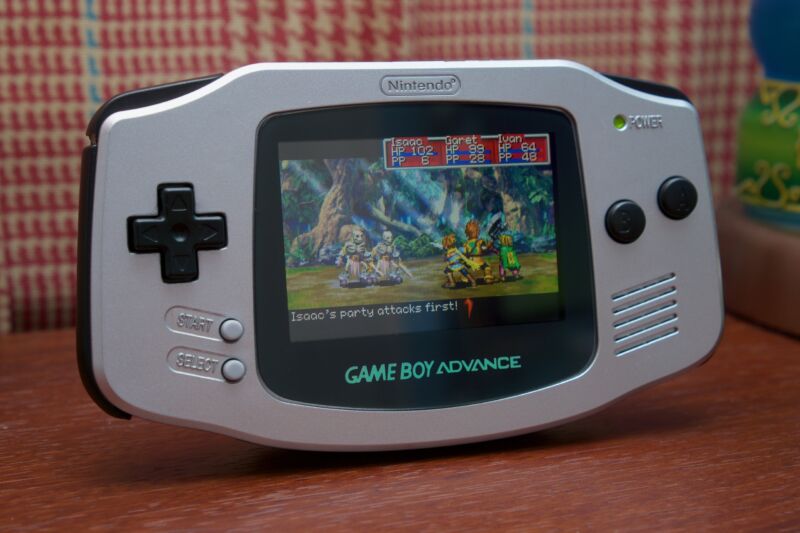
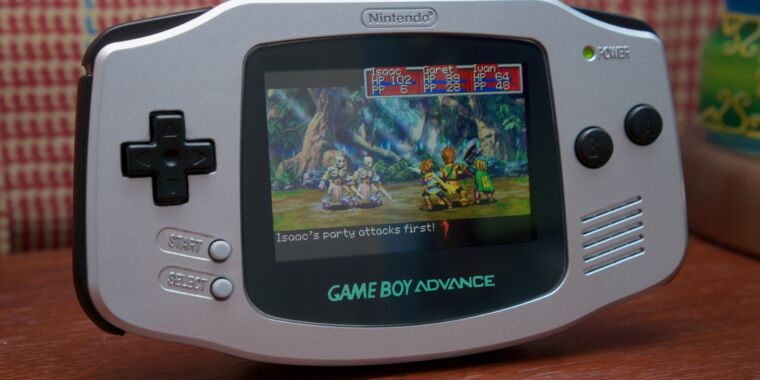
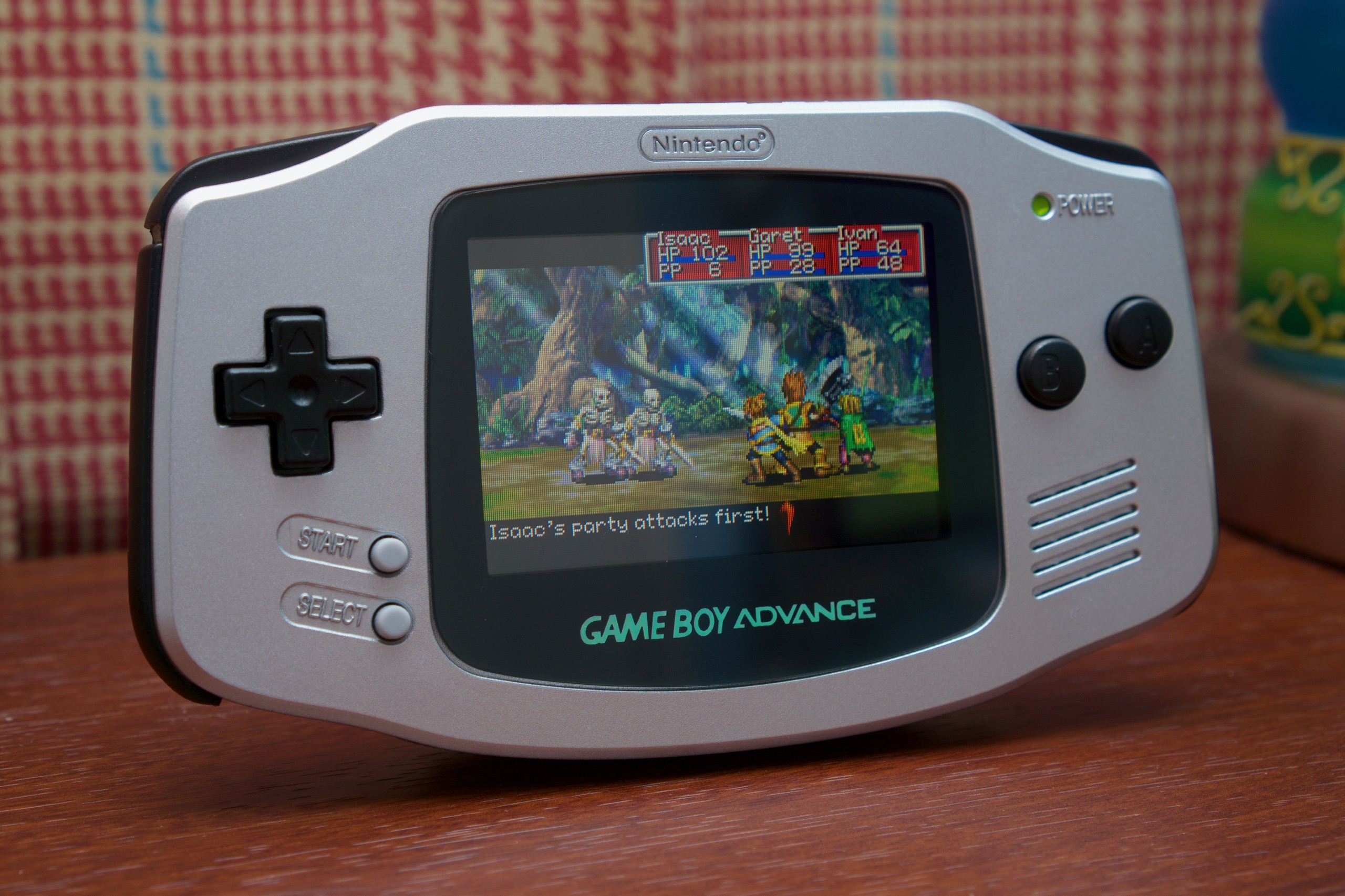
Enlarge / Andrew Cunningham’s modded and restored Game Boy Advance could, with enough time, sing out all the data loaded into a cartridge.
Andrew Cunningham
Great discoveries can come from unexpected places. The Game Boy Advance (GBA), after crashing, can create a melody based on the game inside it. With the right approach, you can use this to identify and theoretically boot the same game.
This was recently observed by TheZZAZZGlitch, whose work involves glitching and hacking Pokémon games. The modder notes that it’s not a simple process and needs tuning for different source formats. While there are simpler ways to retrieve GBA data from a cartridge, none are quite as intriguing and captivating as this.
TheZZAZZGlitch has demonstrated the recreation of Game Boy Advance ROM data using sounds from a crashing system.
After recording a GBA crash over four hours, the modder identified certain waveforms in a sound file at about the 1-hour, 50-minute mark. Later in the sound recording, you can hear the actual instrument sounds and audio samples that the game holds. The 8-bit data at 13,100 Hz occasionally sounds absolutely deranged.
“2 days of bugfixing later,” the modder had a Python script that could read the audio from a clean recording of the GBA’s crash dump. Did it work? Not without more troubleshooting. One issue they faced was parsing the mute sounds from large sections of 0-byte data in the ROM. After running another script to realign sections based on their location in the original ROM, the modder’s ROM was 99.76% accurate but “still didn’t boot tho.” TheZZAZZGlitch later mentioned this is technically using known ROM data to surface unknown data, or “cheating,” but there are assumptions and guesses one could make if you were truly doing this blind.
Refining the sound recording was the next step. By recording three times and using a “majority vote” algorithm, they achieved 99.979% accuracy. That output ROM booted—but with glitched text and a title screen crash. After seven different recordings are meshed and filtered for blank spaces, they achieved 100% parity. That’s about the halfway point of the video; you should watch the rest to learn how it works on physical hardware, how it works with a different game (an ARM code mystery in a replica cartridge), and how to get the best recordings,