


This story was supported by the Pulitzer Center
Fourteen years after the Fukushima disaster, Japan is restarting its nuclear reactors – and two wind-blown near-deserted fishing villages on the northern island of Hokkaido could be the destination for all their radioactive waste.
But, while some residents of Suttsu and Kamoenai welcome the government money that volunteering to store the waste will bring, others are fiercely opposed due to fears that the nuclear waste will contaminate their land and water.
The controversy could delay Japan’s goals to use carbon-free nuclear energy to replace electricity generation from expensive imported fossil fuels and cut greenhouse gas emissions on the way to net zero by 2050.
Takeshi Kuramochi, a climate policy researcher at the NewClimate Institute, called the nuclear waste issue a “showstopper” for nuclear development. He added that, if Japan fails to meet its nuclear targets, it will likely resort to fossil fuels to fill the gap as the country has been “very slow on implementing renewable energy.”
Japan’s nuclear history
Japan first started using nuclear power to generate electricity in the 1960s and, by the twenty-first century, it was one of the nation’s main energy sources. As the island nation lacks fossil fuels and relies mostly on imports, nuclear power was seen as a path to energy independence as well as to reining in climate change.
But everything changed in 2011 when a powerful earthquake and tsunami disabled the Fukushima nuclear power plant’s cooling systems, causing nuclear fuel in three of its reactors to overheat and melt down, releasing radioactive materials into the air and ocean.
While no one was killed by the nuclear disaster directly, over 150,000 people were evacuated and some severely ill hospital patients did not survive their relocation. All of Japan’s nuclear power stations were shut down while new safety standards were drawn up. Well over a decade on, only 14 of its 54 reactors have been restarted.
Without electricity from these power stations, Japan resorted to increasing its use of gas and coal. While the EU, US and UK all more than halved their coal emissions between 2011 and 2023, Japan’s stayed the same.
But as memories of Fukushima fade for some, and global fossil fuel prices skyrocket, support for nuclear is again growing in Japan. In 2014, polls suggested 16% of Japanese people wanted an immediate phase-out of nuclear power but in 2024 that figure was just 5%.
With this in mind, earlier this year Japan announced a contentious plan to boost nuclear energy in its mix from the current level of 8.5% to 20% by 2040 – back up to its pre-Fukushima levels – as the country strives to realise its net-zero goal by 2050.
Nuclear waste storage
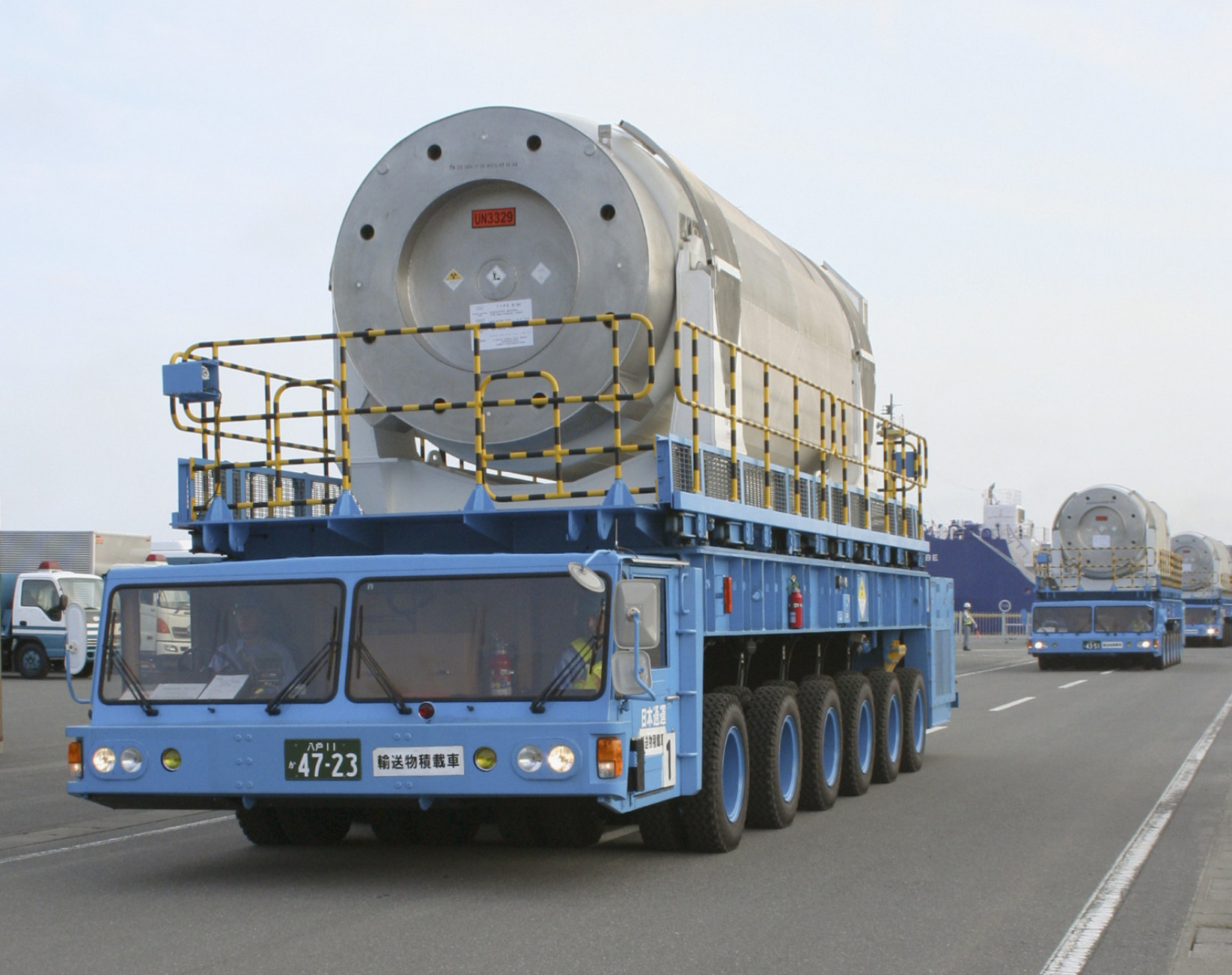
Standing in the way of those ambitions is nuclear energy’s Achilles heel – radioactive waste storage. When used up, the uranium rods that produce nuclear energy need to be disposed of.