

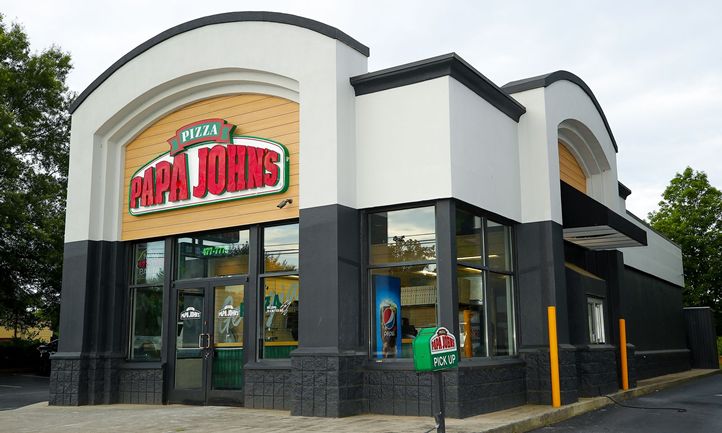

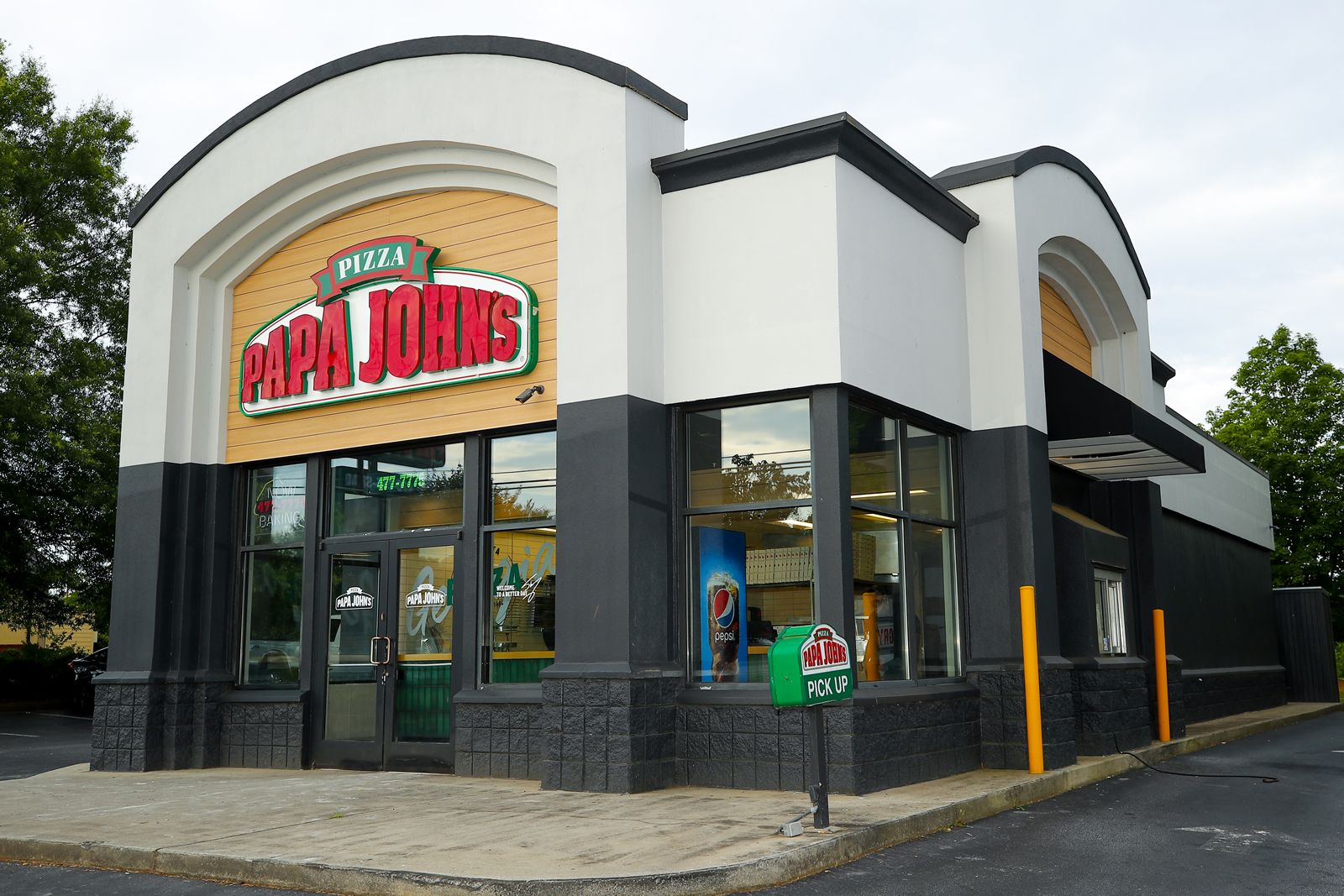
Patel, who announced plans to open an additional 52 new restaurants by 2030, will assume ownership and operation of 85 restaurants previously operated by Colonel’s Limited, LLC
 Atlanta, GA (RestaurantNews.com) Papa John’s International, Inc. (Nasdaq: PZZA) (“Papa Johns®”) (the “Company”) today announced that it has refranchised restaurants previously owned and operated by Colonel’s Limited, LLC, a joint venture between Papa Johns and Steeplechase Express, Inc. Pie Investments, led by Chris Patel, a leading franchisee operator and now one of Papa Johns largest domestic franchise partners, has assumed control of 85 Papa Johns restaurants in the Washington, D.C. and Baltimore markets. Through a joint venture with Papa Johns, the restaurants were previously owned and operated by Colonel’s Limited, LLC, led by William Freitas, one of Papa Johns longest-standing franchisee partners, who is retiring. Papa Johns and Pie Investments also announced plans to open 52 additional new restaurants by 2030 to expand Papa Johns footprint across the Greater Philadelphia, Washington, D.C. and Baltimore markets.
The strategic refranchising follows a period of growth for Patel and Pie Investments, who operate Papa Johns restaurants across the Northeast. With this refranchising, Pie Investments now operates more than 150 Papa Johns restaurants, furthering Pie Investments’ goal of owning 250 restaurants by 2030.
“Chris Patel’s growth mindset and entrepreneurial spirit are exactly the qualities Papa Johns is looking to emphasize among our franchisees as we work to be the best pizza makers in the business,” said Ravi Thanawala, Chief Financial Officer and President, North America at Papa Johns. “Chris has built a team of leaders passionate about pizza, and his impressive record in acquiring restaurants and improving their profitability is well known across the Papa Johns system.”
“Papa Johns well-known commitment to quality continues to make the brand an attractive investment for entrepreneurs,” said Chris Patel, COO and equal partner of Pie Investments. “Papa Johns leadership is empowering franchisees to drive success, with tools to elevate our operations and enhance our customer experience. We’re looking forward to continued growth with Papa Johns and bringing the brand promise of Better Ingredients. Better Pizza. to new groups of pizza lovers.”
Colonel’s Limited, LLC, led by William Freitas and his family, opened its first Papa Johns restaurant in 1993, and helped grow Papa Johns into the world’s third-largest pizza delivery company. The franchisee was one of the first pizza restaurant owners to embrace digital channels, enabling Papa Johns to become the first major pizza chain to offer online ordering.
“Bill Freitas and his team at Colonel’s Limited will be remembered as pioneers among those like Chris Patel who are following in their footsteps,” Thanawala said.
Forward-Looking Statements
Certain matters discussed in this press release which are not historical facts are “forward-looking statements” that involve risks and uncertainties. For a discussion of such risks and uncertainties, which could cause actual results to differ from those contained in the forward-looking statements, see “Part I.