

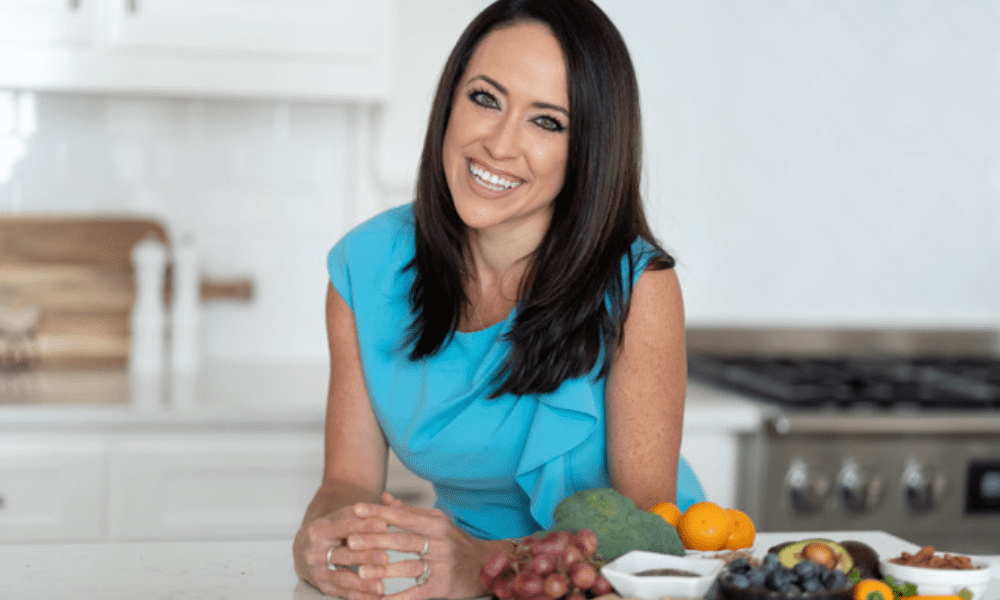

When nutrition gets complicated, Laura Marchese wants patients to know they do not have to sort through food rules, health concerns, and online diet advice alone.
Laura Marchese, MS, RD, LD, owns Nourishing Nutrition Consulting in Peachtree City, where she works with patients on weight management, eating disorders, digestive concerns, kidney disease, blood pressure, heart health, pediatric nutrition, and other medical nutrition needs.
“I take on patients with a wide variety of health concerns,” Marchese said. “I love the challenge of staying clinically informed on medical nutrition therapy for different conditions.”
A science-based approach to food
Marchese is a registered and licensed dietitian, not a wellness influencer or one-size-fits-all meal planner. Her work begins with a patient’s full health picture, including diagnoses, medications, symptoms, history, and goals.
“There are science-backed, evidence-based nutrition solutions to most health challenges,” Marchese said. “There is somebody able to teach you how to better fuel your body for more optimal health, and guide you through those nutrition changes.”
That guidance can look different for every patient. Someone with lactose intolerance may need help replacing nutrients once dairy is removed. Someone with Crohn’s disease or irritable bowel syndrome may need a structured food plan to reduce symptoms without making the diet unnecessarily restrictive.
For patients with long-standing digestive issues, Marchese often uses a structured elimination approach.
“Normally, that involves six to eight weeks of strategic, very intentional eliminations,” she said. “And then once we get to a set point where symptoms are resolved, we’re doing very intentional reintroductions to explore tolerance and keep the diet as least restrictive as possible.”
Eating disorder care includes food support
About half of Marchese’s practice involves eating disorder care, an area she said has high need and limited access.
In those cases, she works as part of a treatment team that may include a therapist, psychiatrist, and physician. Her role is focused on corrective nutrition education, food exposure, and helping patients safely increase nourishment through guided implementation of personalized meal plans.
“So I might have someone that is convinced that all carbohydrates will make them continue to gain weight excessively, or that any carbohydrate intake would make them have excess body fat,” Marchese said.
In those situations, she works through those fears directly, sometimes even during appointments.
“We’re doing food exposure sometimes,” she said. “We might be making progressive challenges with foods, and having them complete those food challenges in the office with me.”
Her goal is not just education, but helping patients rebuild trust in food while protecting their physical health during recovery.
“My first priority is to maximize the amount of nourishment that I can safely get into their body, so their brain chemistry and overall body functioning can begin to improve from head to toe,” Marchese said.
Understanding ARFID and food aversions
Marchese also works with patients who have ARFID,