

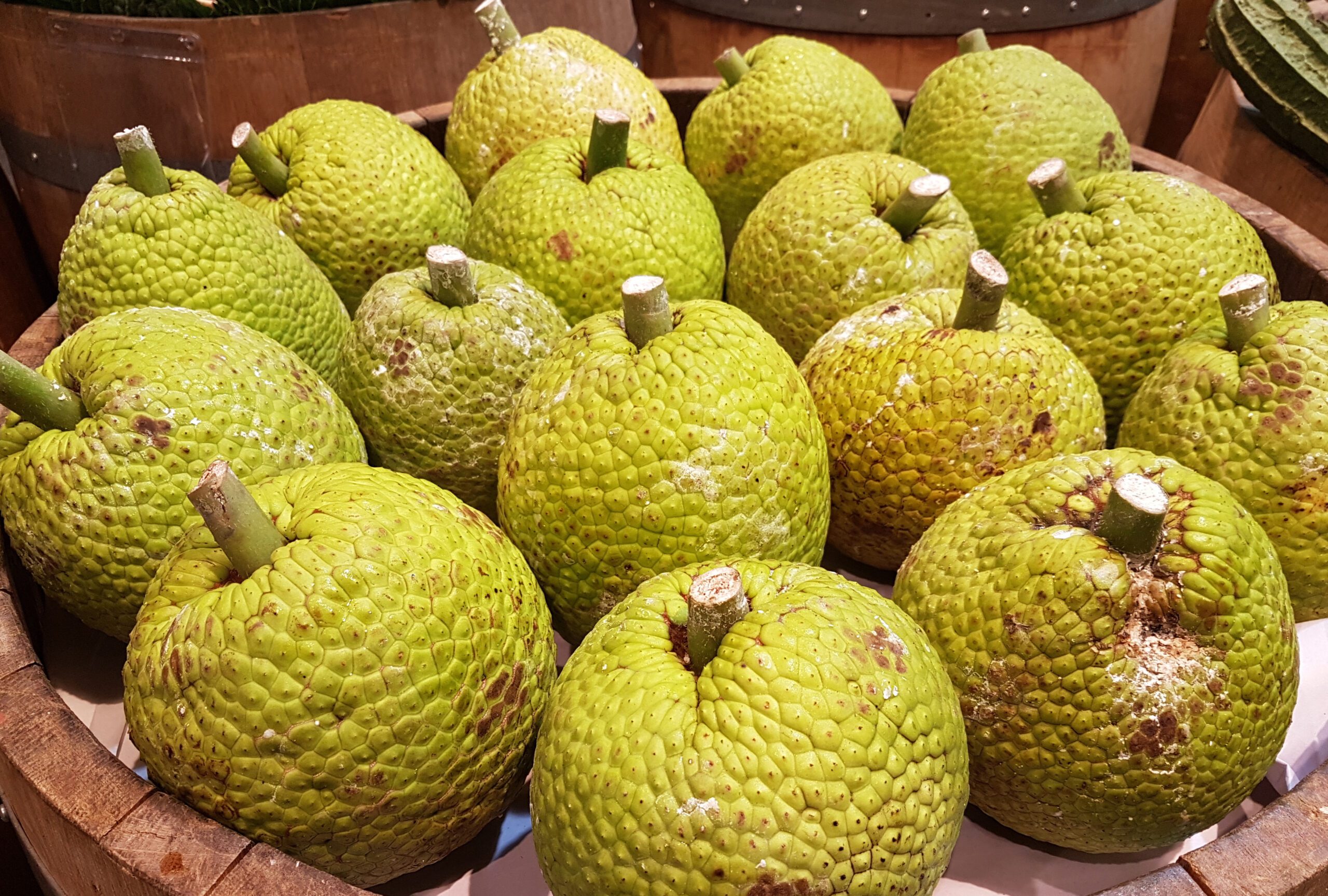

Long before the historic West Maui fire of August 8, 2023, Lahaina was a paradise of abundant food and natural beauty. Kalo (taro), the staple food of Polynesian culture, grew abundantly in the wetlands, along with coconut and breadfruit trees. A 17-acre spring-fed pond was teeming with fish, and a small island in the middle was home to King Kamehameha III.
Today, many Hawaiians believe they are living in a time of intense hulihia, or “turning.” Lahaina had been a paradise lost long before the devastating fire, as it suffered from deforestation and environmental degradation caused by plantation owners and the introduction of non-native species.
This disruption impacted traditional food production and environmental systems, altering the landscape and climate of Maui. The disappearance of the fabled maunalei, a cloud ring surrounding the mountaintops, and changing winds were noted by early observers, showing the long-term impact of these changes.
The consequences of deforestation and monocropping are evident today, with degraded soil and droughted landscapes in an area that was once lush and fertile. The once-powerful plantation industry has dwindled, leaving behind a legacy of environmental damage and challenges for traditional Hawaiian systems.