


President Biden’s Campaign Against Junk Fees and Credit Card Debt
In a notable move towards consumer protection, President Biden has taken a stand against junk fees and “shrinkflation,” aimed at safeguarding the interests of everyday citizens. His administration recently announced measures to eliminate unnecessary charges on concert tickets, cap penalties for overdrawing bank accounts, and ensure fair transactions in various sectors. Concurrently, data from last August documented that Americans had amassed over $1 trillion in credit card debt for the first time in history during the Biden administration’s tenure.
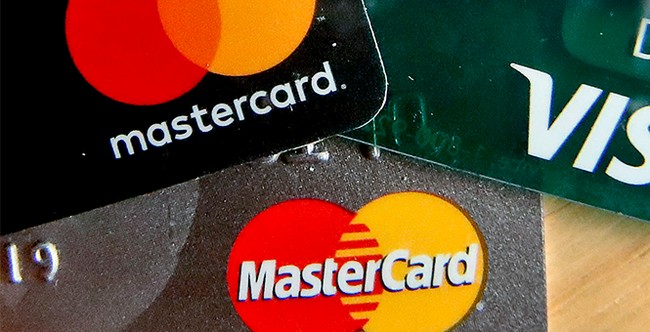
Addressing the growing concern, the Biden administration unveiled a plan to combat junk fees by introducing a rule that limits late payment charges on credit cards to a maximum of $8. This regulation marks a significant step in curbing excessive fees that often inflate the final cost of products and services. The Consumer Financial Protection Bureau’s initiative will cap credit card late fees at $8, significantly lower than the typical $32 charged by most financial institutions. By setting this ceiling, the administration estimates that Americans could collectively save up to $10 billion annually, providing much-needed relief to consumers.
The move to regulate credit card late fees aligns with President Biden’s pledge to eliminate unfair charges as part of his broader economic agenda. Amidst criticism of junk fees that reportedly generate substantial profits for businesses across various industries, the administration’s efforts to rein in excessive charges offer a promising outlook. The White House highlighted the impact of these fees, amounting to approximately $90 billion annually, underscoring the urgency of implementing stricter regulations to protect consumers’ financial interests.
Critics have raised concerns about the rise in credit card usage for essential purchases under the current administration, prompting calls for a closer examination of the underlying factors contributing to this trend. As consumers navigate economic uncertainties, the administration’s actions to address junk fees and credit card debt assume greater significance in promoting financial stability and ensuring equitable transactions.
In response to the announcement, social media users expressed varying opinions on the implications of the new regulations, speculating on potential consequences such as the introduction of annual fees on all credit cards. Amidst the ongoing debate surrounding consumer protections and economic policies, the Biden administration’s focus on combating junk fees and enhancing transparency in financial transactions remains a focal point of public discourse.
As the administration continues its efforts to tackle economic challenges and promote consumer welfare, the impact of these policies on everyday Americans will be closely monitored. The trajectory of credit card regulations and strategies to alleviate financial burdens on consumers will be pivotal in shaping the economic landscape and advancing equitable practices in the financial sector.