


Unleashing the Potential of Recycled Graphite in EV Batteries
By
Maddie Stone/Grist
|
Published Jan 5, 2024 9:00 AM EST
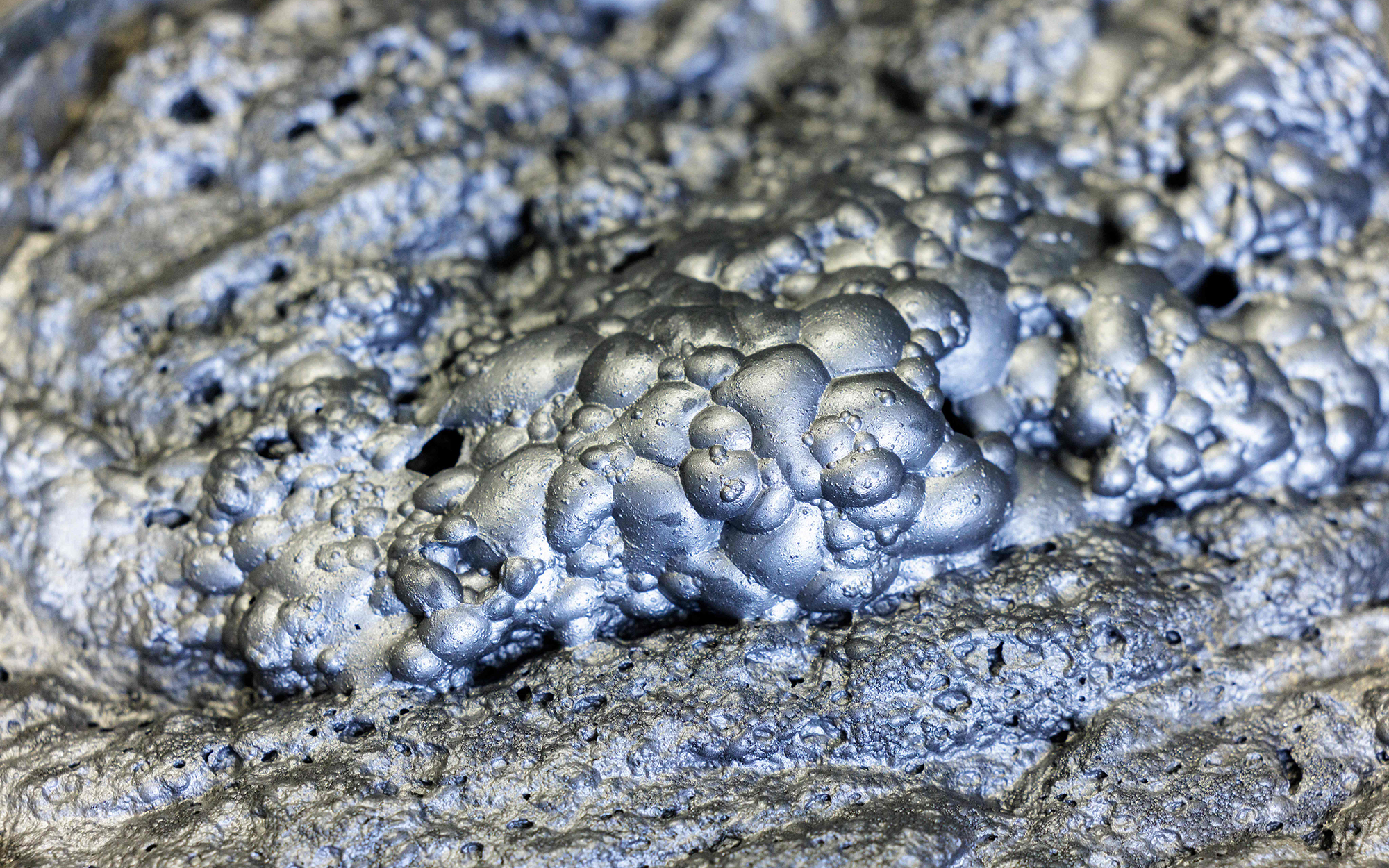
Recycled graphite attached to air bubbles at a graphite recycling laboratory in Freiberg, Germany. Jens Schlueter / AFP via Getty Images
This story was originally published by Grist. Sign up for Grist’s weekly newsletter here.
As the demand for electric vehicles continues to soar, we are entering a new era of innovation in the search for sustainable battery production. The spotlight may finally be turning to a critical mineral that has been largely ignored–graphite.
On December 1, China implemented new export controls on graphite, a carbon-based mineral crucial for commercial EV battery anodes and extensively used in pencil manufacturing. This move, along with the escalating trade war between the U.S. and China, has piqued interest in domestically sourced graphite within the U.S. auto industry.
But is it feasible to simply rely on new graphite mines and facilities within the U.S.? Some companies are exploring an alternative–recycling graphite from used batteries. Although this is still an untapped market due to technical and economic barriers, U.S. battery recyclers and the Department of Energy are investing in graphite recycling initiatives to overcome these challenges.
Harvesting graphite from dead batteries presents an opportunity to not only boost domestic supplies but also prevent critical battery resources from being wasted, ultimately reducing carbon emissions linked to battery production. According to Matt Keyser, who manages the electrochemical energy storage group at the the Department of Energy’s National Renewable Energy Laboratory, overcoming the challenges could unlock a massive stream of used graphite that would revolutionize the industry.