


Fossil Fuel Companies eye profits in the new Carbon Credit Market
As governments come together at the Cop28 climate summit last December, discussions have led to the establishment of a new global carbon credit market under Article 6.4 of the Paris Agreement. This development has caught the attention of fossil fuel companies that see an opportunity to capitalize on existing gas-fired power plants by selling carbon credits associated with them.
Transitioning from the old Clean Development Mechanism (CDM), developers have rushed to submit thousands of projects for eligibility in the new carbon market before the January 1 deadline of this year. Among these projects are those related to renewable energy, which have sparked debates as critics question the need for additional funding through carbon credit sales, arguing that these projects are already financially viable.
However, drawing more controversy are ten projects predominantly situated in Asia that have supported the installation of gas-powered plants – a move that goes against the phase-out of fossil fuels agreed upon at Cop28. If approved by their respective nations, these projects could potentially transfer more than 10 million old gas-related credits to the new Paris carbon market, equivalent to reducing 10 million tons of CO2 emissions annually.
Questions have been raised regarding the appropriateness of these projects, with Carbon Market Watch researcher Jonathan Crook expressing concerns about their outdated nature and potential to perpetuate fossil fuel emissions and infrastructure for years to come. Additionally, the Integrity Council for the Voluntary Carbon Market and BeZero, a carbon credit project ratings agency, have both highlighted the unfavorable impact of credits issued for gas-fired power plants.
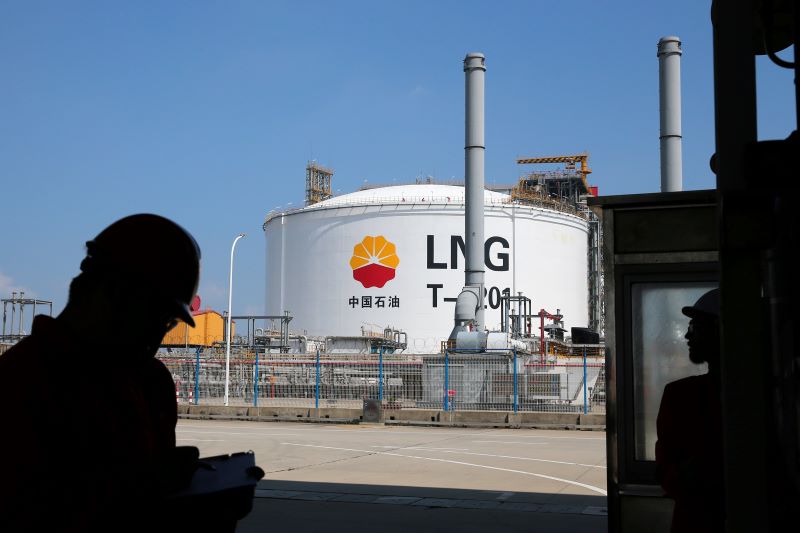
An example of such a project is a gas-fired power plant constructed by China’s CNOOC and Mitsubishi in Fujian province back in 2010. Investigations by various agencies have revealed the minimal impact of carbon credit revenues on the project’s financial viability and the risk of methane leaks from gas infrastructure, which could lead to more pollution than initially estimated.
In conclusion, as the push for carbon neutrality intensifies, it is crucial to critically assess the role of existing gas-powered plants in the new carbon credit market. With an emphasis on transparency and environmental impact, stakeholders must reevaluate the benefits and drawbacks of such projects in advancing global climate goals.