


Dec. 12, 2023 — Wearable technology has revolutionized the way consumers access information. From rings and watches to wristbands, patches, and clothing, previously complicated calculations are now available with a simple flick of the wrist or a glance at a smartphone.
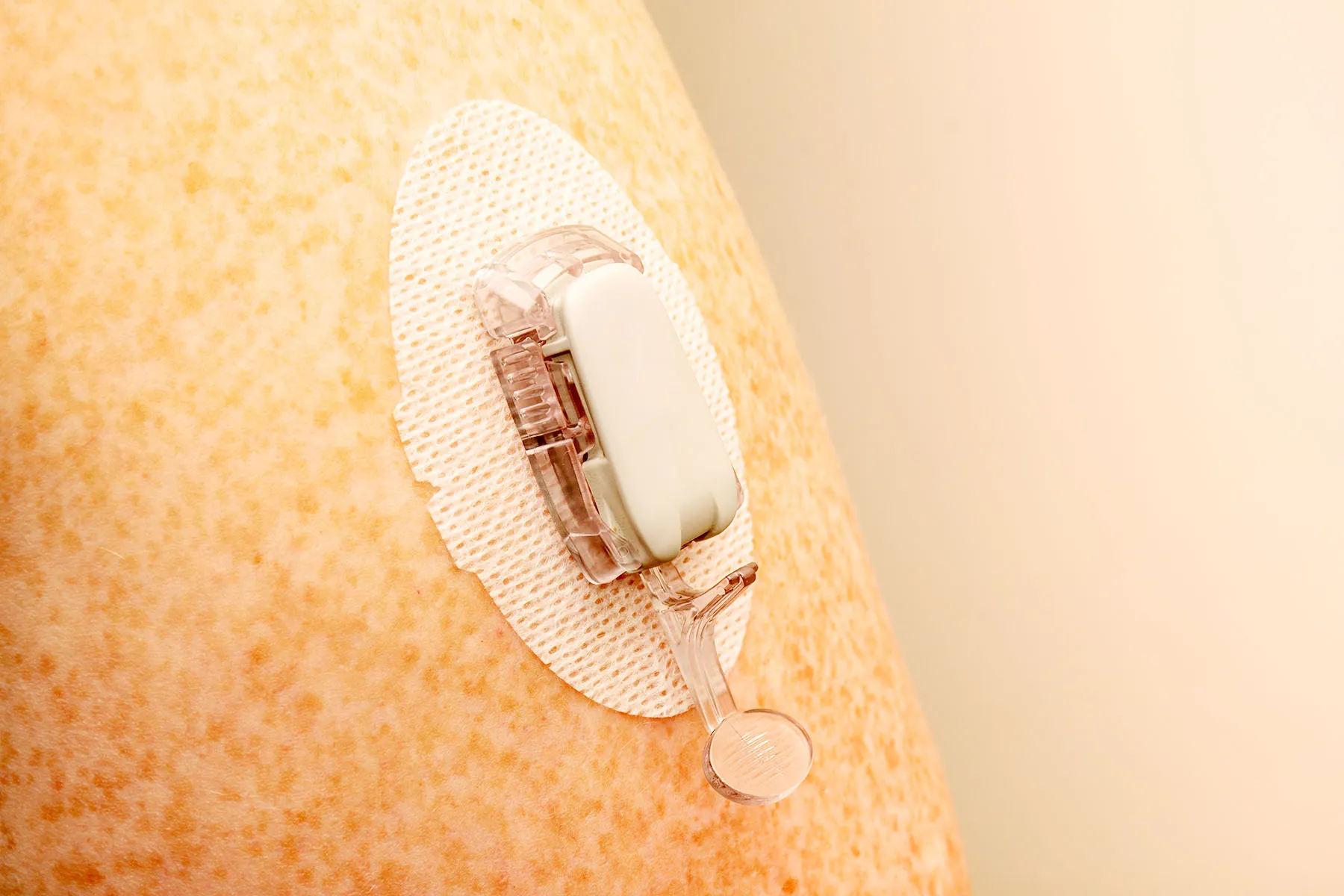
Among the most recent wearables to capture attention are continuous glucose monitors, which help people with diabetes avoid dangerous blood sugar level changes. Approved by the FDA for use in diabetes, millions of consumers are embracing CGMs encouraged by social media influencers and promises of improved athletic performance, weight loss, and metabolic health.
Before diving in and purchasing one of these devices, it’s important to note that diabetes experts are cautious about offering CGMs to non-diabetic consumers who want to monitor their blood sugar.
“If you look across history, there’s been many instances where large volumes of people have followed something that ended up not being correct,” said Tamara Oser, MD, director of the primary care diabetes lab at the University of Colorado Anschutz School of Medicine in Aurora.
Despite their rising popularity, Oser said “we need to be mindful that we don’t have really strong evidence yet that they are going to cause a change in outcomes,” she said.
Highs and Lows
Blood sugar spikes after meals are a normal phenomenon.
“They go up, your body responds within 15 to 30 minutes, and then it gradually goes down. That is a normal process,” said Marc Kai, MD, an internist at Mercy Medical Center in Baltimore. “In someone with diabetes, the number may go higher, last longer, and take longer to go back down to normal; that’s why we use these monitors: so we can see what and when it is happening.”
The challenge comes when a person who doesn’t have diabetes takes this information and reinterprets it to fit what is often an incomplete narrative.
“Many companies that sell CGMs and the apps are taking data from their customers and making generalizations, and that’s just inappropriate,” says Danielle Omar, a registered dietitian and nutrition consultant based in Northern Virginia. An example is eating oatmeal, which one social media influencer compares to being “chased by a Siberian tiger.”
Some people were seeing data that showed their blood sugar spiked after eating oatmeal. “But that’s just the way your body works; you just ate a carbohydrate,” she said.
“There’s so many factors,” Omar said. “What was in the oatmeal, what kind of oatmeal was it? “Was it quick oats, steel cut, or overnight oats? What was in it? Was it sugar or jelly? A banana? Oat milk? You know, there are so many things that might have been the real reason why their blood sugar spiked.”
Omar’s concerns are not unfounded.