


The Impact of Boiling Tap Water on Microplastics Contamination
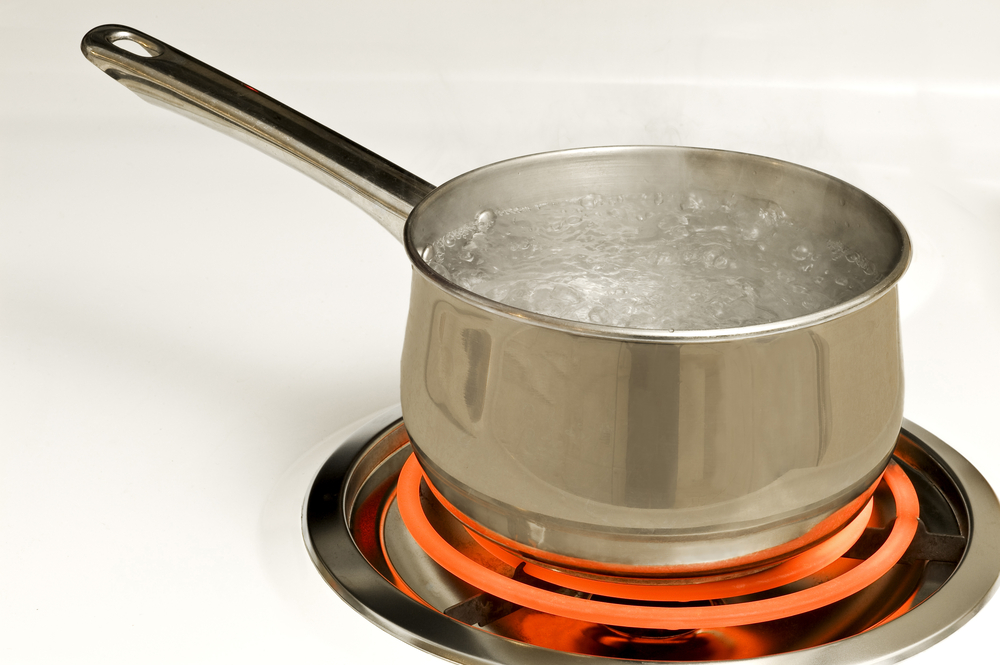
A recent study has revealed that boiling tap water before consumption can eliminate over 90% of potentially harmful microplastics present in the water supply.
Microplastics are minuscule plastic particles that measure less than 0.2 inches (5 millimeters) in length, as stated by the National Oceanic and Atmospheric Administration (NOAA). These fragments originate from the breakdown of industrial waste and consumer products and are ubiquitous in various environments, including the oceans, atmosphere, bottled water, and even human waste.
Research on the effects of microplastics on human health is still limited and inconclusive, according to the World Health Organization. While some plastics are considered harmless, others, such as polystyrene, have been linked to harmful effects such as cell damage, bowel inflammation, and decreased fertility in animal studies.
A recent study published in the journal Environmental Science and Technology Letters examined practical approaches to eliminating microplastics from drinking water at home. The researchers specifically investigated the effectiveness of boiling water in removing microplastic contamination, considering that boiling water has been a traditional practice in certain Asian cultures believed to have health benefits by removing some chemicals and biological substances.
In their experiments, the scientists simulated tap water samples containing common minerals along with three prevalent types of microplastics: polystyrene, polyethylene, and polypropylene. By adjusting the water samples’ mineral content, they observed a significant reduction in microplastics after boiling the samples for 5 minutes and allowing them to cool. In hard water with high calcium carbonate levels, there was almost a 90% decrease in microplastics due to the formation of solid calcium carbonate at elevated temperatures, trapping the plastic particles within.
It is suggested that combining boiling water with a basic coffee filter to eliminate the solidified calcium could be an effective method for removing potentially harmful microplastics from drinking water. Although the efficacy of point-of-use filters alone remains uncertain, studies indicate that microfiltration filters could potentially capture and eliminate microplastics.
Stay updated on the latest scientific discoveries by subscribing to our newsletter.