


Amidst the challenges of the coronavirus pandemic in the summer of 2020, Gerard Magliocca, a law professor at Indiana University, found himself with ample time on his hands. During this period, Magliocca partnered with a colleague who was writing a book on the overlooked sections of the Constitution’s 14th Amendment. Fascinated by the history of two seldom-discussed sentences that bar individuals involved in insurrection or rebellion from holding office, Magliocca delved into researching this constitutional provision.
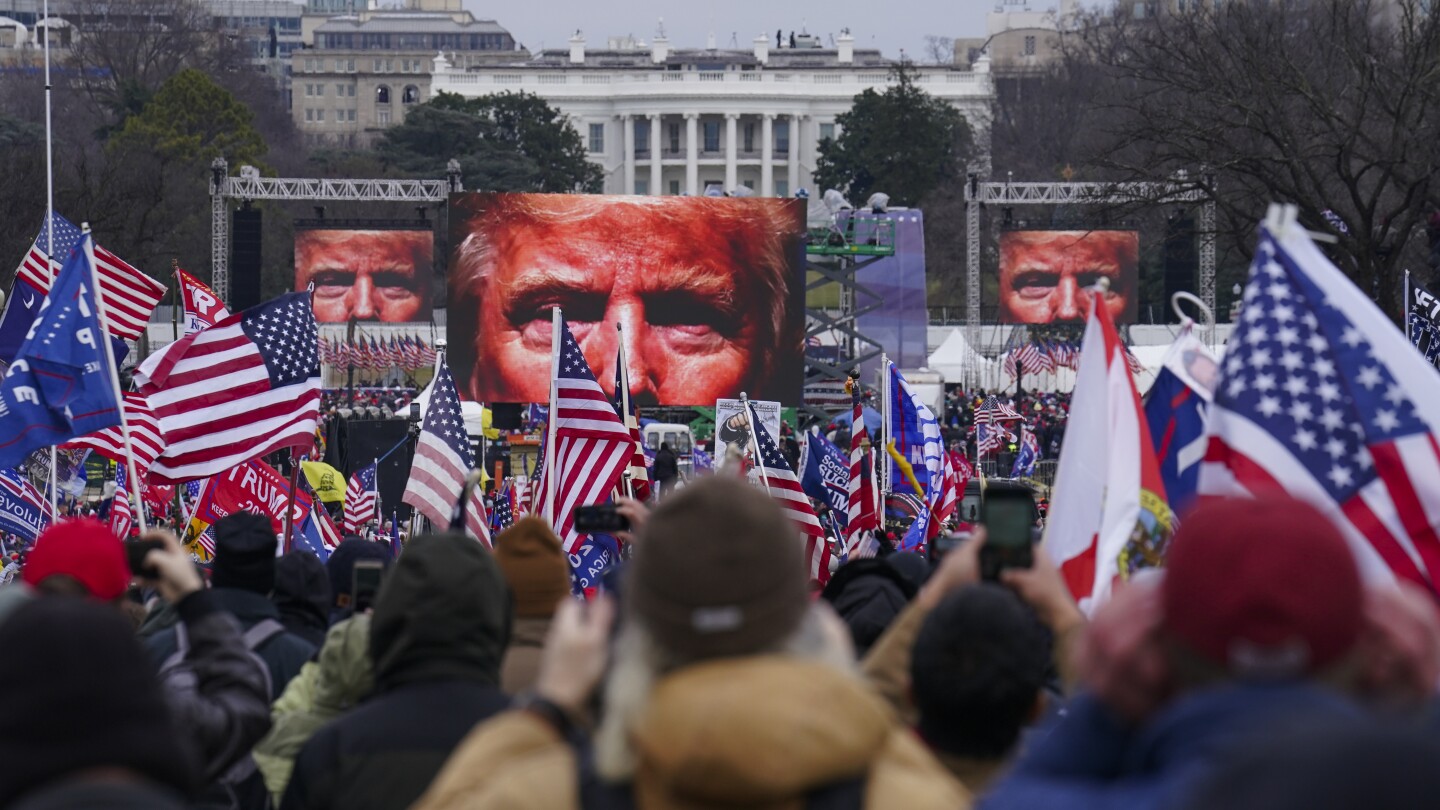
In a bold move, Magliocca shared his findings online in mid-December 2020, marking what he believed to be the first-ever law journal article dedicated to Section 3 of the 14th Amendment. Following a revision and reposting on December 29, just eight days later, the U.S. Capitol was besieged by supporters of then-President Donald Trump, seeking to thwart Joe Biden’s electoral victory certification. This incident, labeled an “insurrection” by prominent figures like Senators Mitch McConnell and Mitt Romney, prompted Magliocca to contemplate the potential application of Section 3 to President Trump.
Subsequently, Magliocca took to a legal blog to express his thoughts, suggesting that Section 3 of the 14th Amendment could be pertinent to Trump’s situation, given the Capitol events. Fast forward to the present day, over four years later, and the U.S. Supreme Court faces the pivotal task of determining the relevance of this constitutional provision. Scheduled to hear arguments concerning Trump’s eligibility to appear on Colorado’s ballot – a matter which the state’s Supreme Court deemed as violative of Section 3 – the highest court of the land is addressing this issue for the first time in history.
Section 3, originating from measures post-Civil War to prevent former Confederates from holding public office, had faded into obscurity after Congress extended amnesty to most ex-rebels by 1872. Before the Capitol attack on January 6, 2021, constitutional scholars seldom contemplated Section 3 – a component not commonly featured in law school curricula and essentially dormant in legal proceedings for over a century. It appears that the only notable reference to this provision in the 20th century pertained to denying a Congressional seat to an anti-war socialist.
The unexpected resurgence of this constitutional clause can be attributed to a mixture of individuals across political spectrums – Democrats, Republicans, liberals, and conservatives – all recognizing the significance of 111 often-overlooked words within our legal framework. This unearthing has culminated in posing a significant challenge to Trump’s potential political comeback, symbolizing a remarkable turn of events facilitated by an unprecedented convergence of perspectives.
In response to the distressing events at the Capitol, Norma Anderson, a former Republican leader in Colorado, experienced a moment of introspection. Revisiting her collection of constitutional copies post the riot, the 91-year-old Anderson, residing in Denver suburbs, revisited the 14th Amendment and immediately grasped its relevance in the prevailing political landscape.