


The Surprising Pink Milk of Flamingos
This week brought to light some fascinating discoveries that challenge our understanding of the natural world.
Author: PopSci Staff
Published Date: Feb 28, 2024 9:00 AM EST
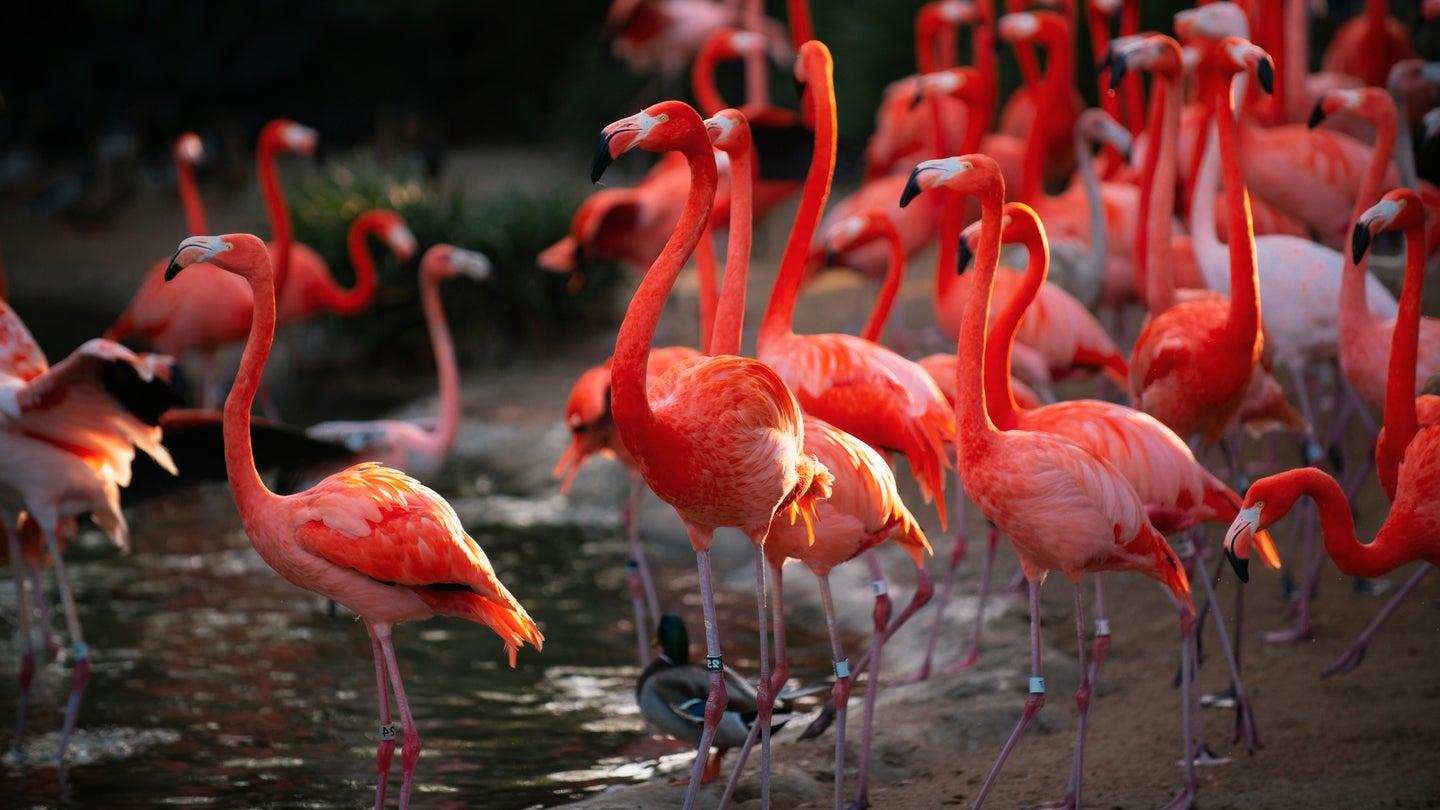
The Flamingo’s Unique Parenting Strategy
Similar to pigeons, both male and female flamingos produce a substance known as crop milk to feed their offspring. This surprising phenomenon challenges traditional views of animal reproduction and parental care.
Source: DepositPhotos
Share this Fascinating Discovery
Newest Discoveries from the World of Nature
Have you ever wondered about the most fascinating facts of the natural world? Well, if you’re ready to dive into the realm of bizarre discoveries, then tune in to The Weirdest Thing I Learned This Week, a captivating podcast by The Weirdest Thing. This podcast is available on popular platforms like Apple Podcasts, Spotify, and YouTube. Every other Wednesday, this podcast brings you the weirdest and most intriguing science-related facts, curated by the editors of Popular Science. If you enjoyed the stories in this post, then this podcast is a must-listen for you.
Exciting News: Stay tuned for an upcoming livestream Q&A session by Rachel and Jess, along with other bonus content. Follow Rachel on Patreon and Jess on Twitch for all the latest updates.
The Unbelievable Truth About Avian Milk Production
Out of the vast array of bird species in the world, only a select few have the unique ability to produce what can be termed as “milk”: doves/pigeons, flamingos, and emperor penguins. This avian milk is quite different from the milk produced by mammals since birds lack nipples. However, its composition closely resembles mammalian milk and serves a similar purpose, despite its dissimilar appearance reminiscent of cottage cheese.
But how do birds actually produce milk? The secret lies in their crop, a part of their digestive system primarily used for food storage. These birds secrete milk-like substance from the lining of their crops, a process stimulated by the hormone prolactin. Interestingly, prolactin is the same hormone responsible for lactation in mammals.
Delving into Pigeon Milk: The common pigeon, often found in urban settings, faces challenges in providing adequate protein and fat for their offspring. To overcome this, pigeons resort to creating crop milk for their newborns. This milk production begins a few days before the eggs hatch, and the squabs, as the baby pigeons are called, are fed exclusively on crop milk for the initial weeks of their life.
When it comes to avian parenting, Pigeons and Flamingos are quite unique in their feeding habits. Unlike mammals, both male and female Pigeons produce crop milk to feed their young, a substance that is rich in nutrients and essential for their growth and development.
Pigeons are quite remarkable in their ability to produce crop milk, a substance that is vital for the growth and development of their offspring. The parents initially feed their young with this nutrient-rich milk before gradually introducing them to adult food. This unique feeding behavior showcases the dedication and care that Pigeons have for their offspring.
Flamingos, on the other hand, also produce a similar substance known as crop milk to feed their young. This vibrant pink milk is rich in nutrients and plays a crucial role in the growth and development of Flamingo chicks. The production of crop milk by both male and female Flamingos highlights their exceptional parenting skills and commitment to ensuring the well-being of their offspring.
Overall, the feeding habits of Pigeons and Flamingos showcase the incredible diversity and adaptability of avian species when it comes to caring for their young. From producing nutrient-rich crop milk to ensuring the proper nourishment and development of their offspring, these birds truly exemplify the remarkable ways in which different species have evolved to ensure the survival of their young.