


Do you think that generative AI tools are just scratching the surface of what’s possible? Indeed, they can predict elements of text and images based on the most likely sequencing, but they are not “thinking” as such, as there’s no intent or reasoning behind those matches, other than mathematical likelihoods.
Many experts are concerned about AI reaching the next level, where such systems will have the capacity to think independently and potentially exceed our own mental capacity, however, that’s still a long way from reality.
And even through probability alone, we’re just touching on the expanded possibilities of generative systems. The latest advances are pointing to a whole new phase of digital creation, cutting many humans out of the process.
Last week, a Spanish ad agency revealed that it had created an AI character earning $US10,000 per month from brand contracts.
Aitana requires no payment, has no qualms about what she promotes, and is available 24/7. She looks real, and her 200,000 Instagram followers may not have been aware that she doesn’t, in fact, exist.
Virtual influencers are gaining traction and building huge followings. Even before the arrival of Dall-E and Midjourney, virtual models such as lilmiquela (2.7m IG followers), noonoouri (424k followers), and Shudu (241k) were already popular.
More advanced creation tools are now making these virtual identities even more life-like, while the next phase of digital animation could take them to another level of realism, in replicating human trends.
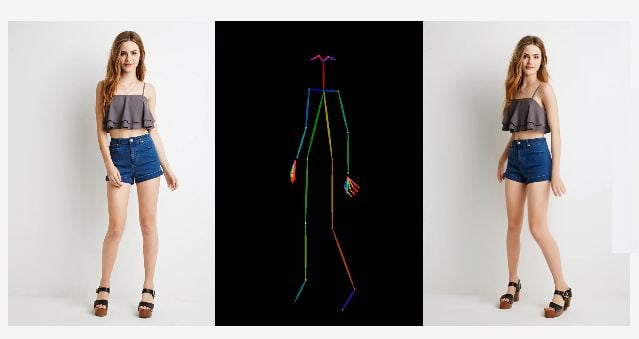
This video, shared as part of Alibaba’s “Animate Anyone” project highlights how advanced image recognition and video sequencing can now replicate actual human movement, to an increasingly realistic degree.
As these systems continue to evolve, virtual influencers set to become much bigger elements of online interaction. Deepfake characters and fully virtual creations, animated from still images, are also becoming more prevalent, which brings forth more security concerns.