



Julianne Geiger
Julianne Geiger is a veteran editor, writer and researcher for Oilprice.com, and a member of the Creative Professionals Networking Group.
More Info
Premium Content
By Julianne Geiger – Jul 22, 2025, 7:00 PM CDT
- ExxonMobil and Chevron are winning the upstream game thanks to their dominant, low-cost positions in the Permian Basin.
- European majors like BP and Shell are lagging, having exited or underinvested in the Permian.
- With U.S. shale’s boom years over, the focus has shifted to monetization.
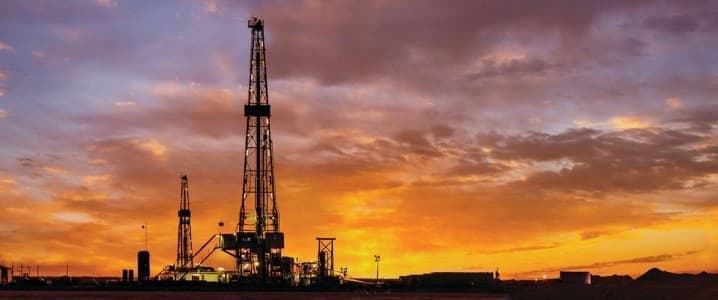
Upstream oil and gas—industry-speak for the exploration and production end of the business—has always been a game of geology, timing, and money. Right now, U.S. oil majors are holding the better hand in the world of E&P. And the reason is simple: they’ve got the Permian, and Europe doesn’t.
According to Wood Mackenzie, crude and condensate production across the U.S. Lower 48 has hit an all-time high of 11.3 million barrels per day, but is on the cusp of peaking. They forecast output will start a slow decline by year-end, dropping by 500,000 bpd by 2027. But for ExxonMobil and Chevron, who dominate the Permian Basin, the story is different. Their growth runway is intact—and profitable.
This divergence in fortune comes just as global demand projections are muddying the waters. OPEC’s latest World Oil Outlook sees global oil demand hitting 123 million bpd by 2050, requiring $18.2 trillion in new oil and gas investment. The IEA, by contrast, insists demand will peak before 2030. But regardless of who’s right, no one’s arguing that Permian oil is uncompetitive. With oil major breakevens below $45, according to WoodMac, along with WTI and ultra-low carbon intensity, the Permian is the upstream gift that keeps on giving.
Related: Russia Faces Coordinated U.S.-EU Crackdown as Oil Sanctions Escalate
WoodMac expects ExxonMobil’s Permian output to rise 55% to 2.3 million boe/d by decade’s end, holding steady through 2040. Chevron is expected to churn out a 25% increase, to 1.2 million boe/d by 2030. In both cases, the Permian will supply nearly a third of total output—onshore, low-cost, and infrastructure-rich. It’s not just scale—it’s resilience. Even as the broader U.S. rig count drops (down 7 last week alone, to 544), these majors are using AI and advanced analytics to keep well costs low and recovery factors trending up.
Goldman Sachs recently declared the U.S. shale boom years officially over. But that misses the nuance. Yes, the easy growth is gone. But for majors with prime Tier 1 acreage and deep capital pools, this isn’t the end—it’s the monetization phase. The focus now is on harvesting cash, not chasing barrels.
What makes the Permian such a strategic fortress isn’t just its size—it’s the rare combination of geology, infrastructure, and optionality. With thousands of drilled-but-uncompleted wells, ample takeaway capacity, and unmatched midstream connectivity,