


The Urgency to Provide Humanitarian Aid to Gaza
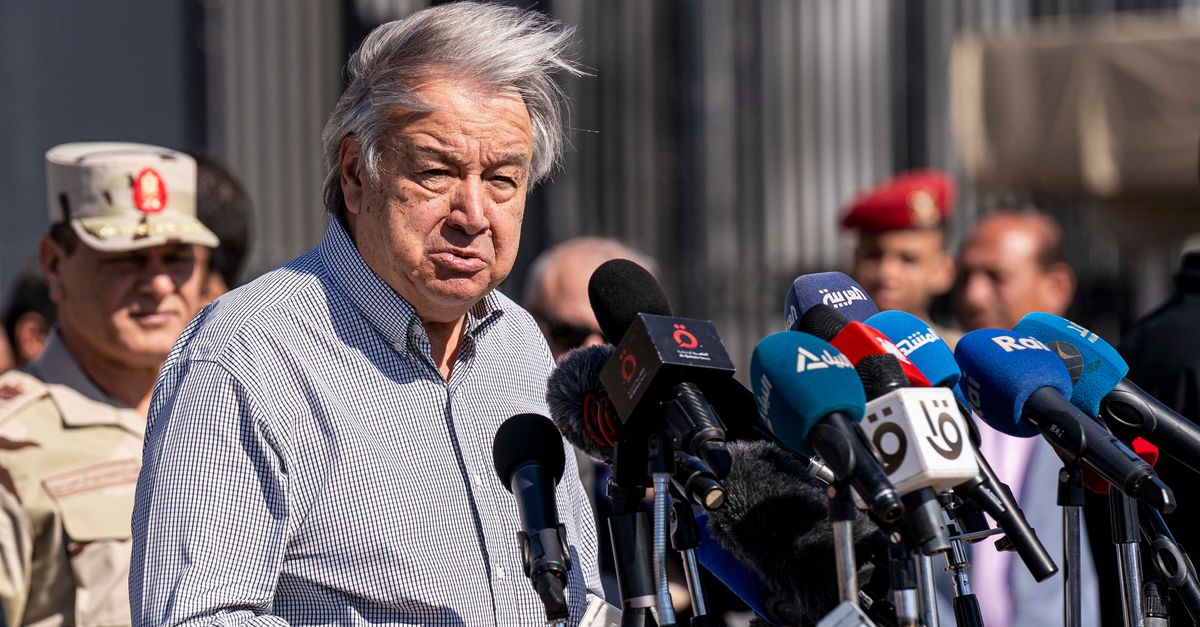
In a poignant display of solidarity, U.N. Secretary-General António Guterres stood at the Rafah Crossing in Egypt, emphasizing the critical need to “flood Gaza with lifesaving aid” to address the dire situation of starvation in the besieged enclave. Describing the ongoing crisis as a “moral outrage,” Guterres called for an immediate cease-fire between Israel and Hamas to prevent further suffering.
Gaza’s Vulnerable Population and the Call for Assistance
With more than half of Gaza’s population seeking refuge in the southern city of Rafah, Guterres highlighted the devastating impact of an impending ground assault by Israel, warning of potentially catastrophic consequences. Despite international efforts to broker a resolution, the U.N. Security Council’s failure to reach a consensus on an immediate cease-fire underscores the urgency of the situation.
Challenges in Delivering Aid to Gaza
Guterres acknowledged the challenges faced in delivering humanitarian aid to Gaza, attributing the delays to logistical obstacles. The presence of a significant number of aid trucks waiting at the border exemplifies the pressing need for unrestricted access to deliver essential supplies to those in need.
A Call for Compassion and Humanity
Reflecting on his meeting with Palestinian civilians at a local hospital, Guterres emphasized the need for compassion and empathy in addressing the humanitarian crisis. He urged Israel to commit to ensuring uninterrupted access for humanitarian goods to Gaza and called for the immediate release of hostages held by Hamas.
The Human Cost of Conflict
Amid escalating tensions, Guterres highlighted the plight of Palestinian civilians who have been caught in the crossfire of the conflict, underscoring the urgent need for a humanitarian cease-fire. The release of hostages and the mitigation of suffering must be prioritized to prevent further loss of life and alleviate the humanitarian crisis in Gaza.
Global Response and Diplomatic Efforts
As international pressure mounts for a peaceful resolution, the responses from key stakeholders, including the United States and Israel, play a critical role in shaping the outcome. Calls for restraint and a shift towards diplomacy underscore the importance of prioritizing civilian protection and humanitarian assistance in conflict zones.
Looking Ahead
As the situation in Gaza remains fluid, the need for swift action and collaborative efforts to address the humanitarian crisis is paramount. The international community must unite in support of peace and stability, working towards a sustainable solution that upholds human rights and protects the most vulnerable populations in conflict-affected areas.
Source: Original Article