

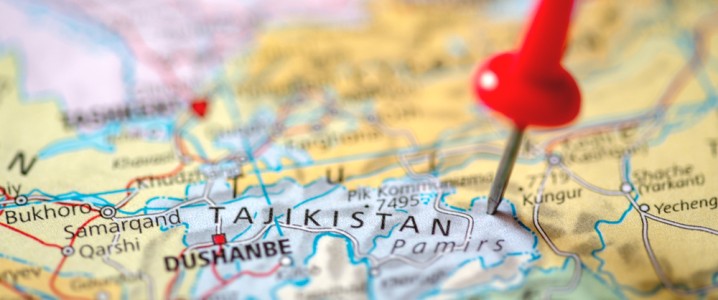

On March 1st, extensive regions of Tajikistan experienced a significant power outage lasting approximately three hours due to a notable technical issue.
Residents in the capital city, Dushanbe, encountered power disruptions around 11 a.m. local time, with electricity services being reinstated by early afternoon.
This outage resulted in many households losing access to heating and hot water, services that are typically provided through a centralized system.
Following a period of unusually warm weather, temperatures in Dushanbe have dropped to near or below freezing, prompting an increased reliance on electric heaters, leading to intermittent power cuts.
Throughout the outage, there was no official statement from government officials regarding the situation.
According to reports from independent media outlet Asia-Plus, an incident at the Nurek hydroelectric power plant may have been the cause of the disruption. The plant, operational since 1972, plays a crucial role in supplying half of the country’s energy requirements.
Citizens in Dushanbe also grappled with water shortages and disruptions in certain mobile services, such as internet providers and mobile banking apps.
While some areas in Tajikistan experienced the blackout, regions like Bokhtar in the south continued to receive electricity. Additionally, the Pamirs region in the Gorno-Badakhshan Autonomous Region remained unaffected due to local hydroelectric power sources.
Although Dushanbe is unaccustomed to prolonged power outages, other parts of the country consider them a regular occurrence. Cold weather conditions often lead to reduced output from the Nurek plant, triggering scheduled blackouts in rural areas.
Under the current economy regime, households outside major urban centers endure power cuts during specific times of the day, a practice that may soon be coming to an end.
Recent updates indicate that power has been restored in Dushanbe, alleviating the impact of the outage on residents’ daily lives.
» …
rnrn