

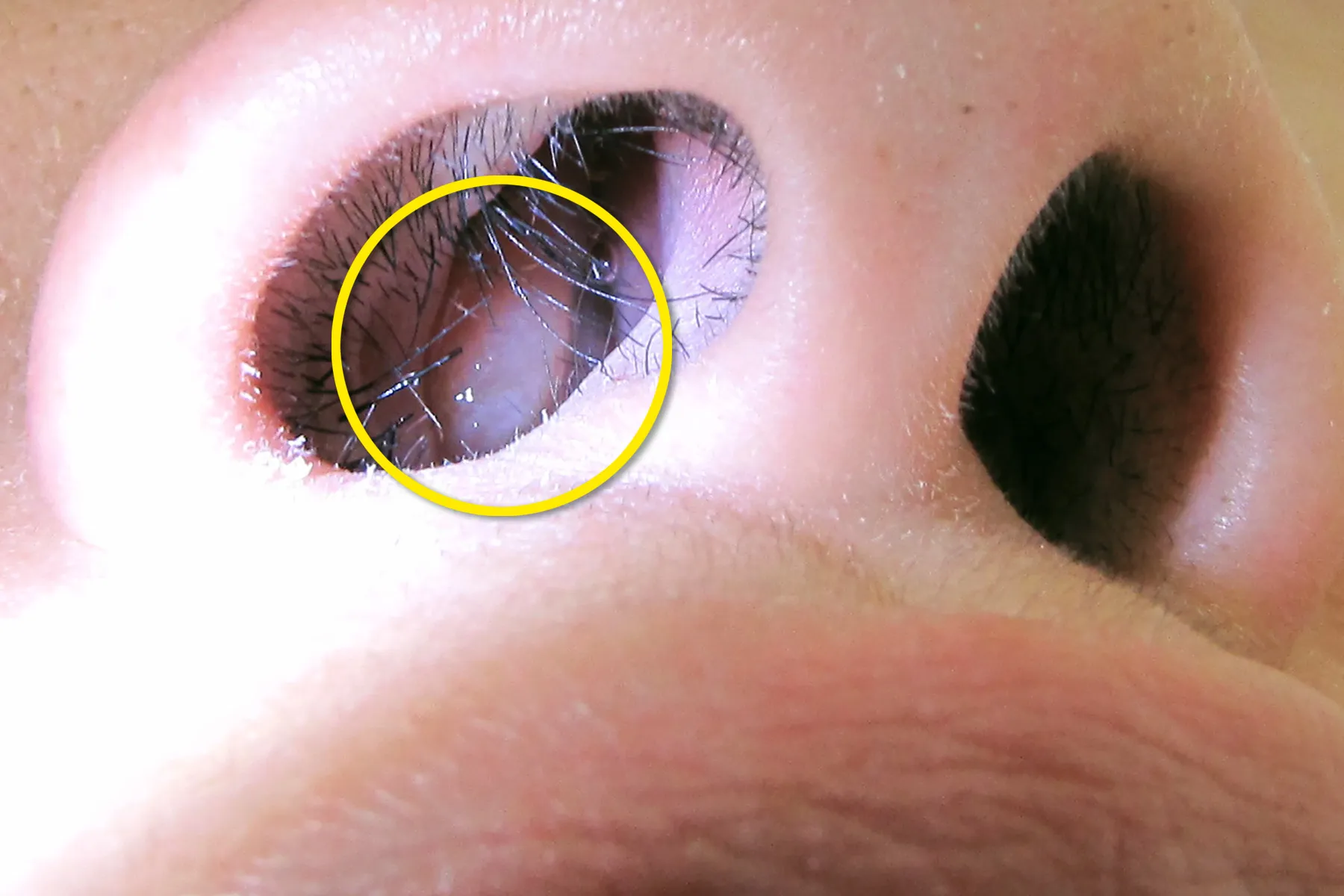

Understanding the Causes of Nasal Polyps
If you find yourself constantly dealing with symptoms like congestion, runny nose, and itchy eyes, you might be quick to attribute them to seasonal allergies or a common cold. While these assumptions are typically correct, if these symptoms persist over an extended period, it could be indicative of nasal polyps.
What exactly are nasal polyps? These noncancerous growths take shape in the nasal passages and sinuses, often resembling teardrops and grouping together on both sides of the nose. According to allergist and immunologist Yasmin Bhasin MD from Allergy Asthma Care in Middletown, NY, nasal polyps can lead to a variety of symptoms, including congestion, difficulty breathing, postnasal drip, cough, sinus pressure, decreased sense of smell, and facial pain.
In some cases, nasal polyps can grow large enough to cause blockages in the sinuses, resulting in breathing challenges. While nasal polyps are a somewhat common occurrence, affecting around 4% of the population, the exact cause remains unclear. Allergist Philip Halverson MD from Allergy and Asthma Specialists in Minneapolis suggests that a combination of genetic predisposition, age, and exposure to environmental allergens may play a role in their development.
Medical professionals suspect that nasal polyps form due to an exaggerated immune response triggered by viruses, allergens, or other foreign entities that breach the nasal cavity’s protective barrier. This heightened reaction leads to inflammation, swelling, and excessive mucus production, ultimately culminating in the growth of polyps, explains otolaryngologist Cecelia Damask, DO from Lake Mary, FL.
Individuals with chronic inflammatory conditions affecting the nasal passages and sinuses, such as allergies, asthma, hay fever, sensitivity to aspirin, and cystic fibrosis, face an increased risk of developing nasal polyps. Notably, individuals with a history of recurrent sinus infections are also more prone to nasal polyps, with 25% to 30% of chronic sinusitis patients developing these growths.
There appears to be a genetic component to nasal polyps, with a higher likelihood of occurrence in individuals with family members who have been diagnosed with the condition. While nasal polyps are most prevalent in individuals in their 30s and 40s, they can manifest at any age.
Despite the potential for nasal polyps to grow large enough to protrude from the nostrils, most remain small and inconspicuous. Many individuals with nasal polyps only discover their condition after seeking medical attention for persistent nasal congestion without realizing the presence of these growths.
It is crucial to note that nasal polyps may not always be easily detectable, even by healthcare professionals. If left untreated, nasal polyps can lead to complications such as sinus blockages and breathing difficulties, underscoring the importance of seeking medical evaluation and management.