

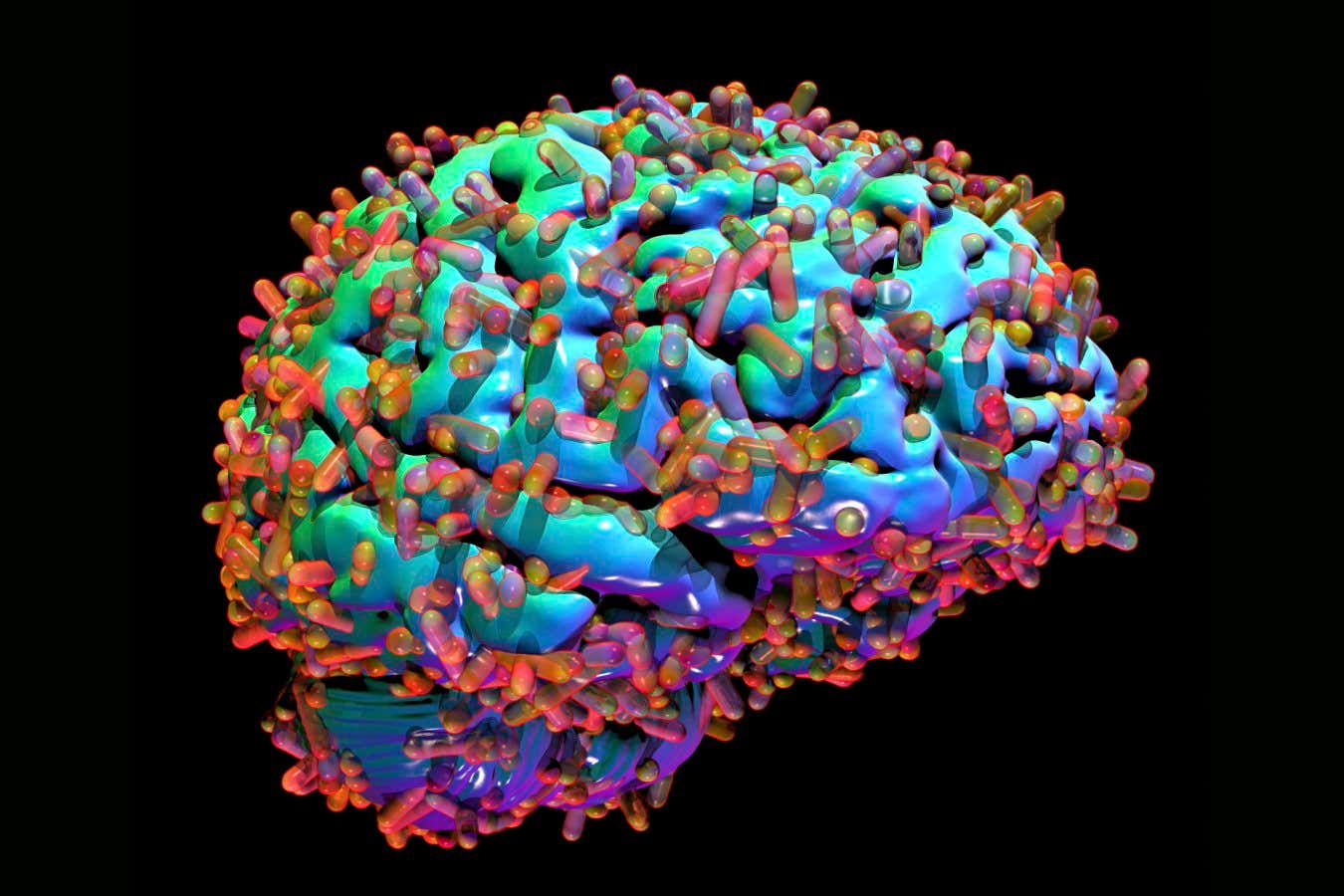

The Intriguing Potential of Brain Microbiome in Reversing Dementia
Author: David Robson
The recent revelation that the brain has its own microbiome has sparked a fascinating hypothesis – the potential for reversing some forms of dementia.
Social Media Sharing:
– Facebook / Meta
– Twitter / X icon
– WhatsApp
– Linkedin
The brain’s microbiome could be the key to unlocking a cure for Alzheimer’s disease and other forms of dementia. This groundbreaking discovery has opened up new avenues for research and treatment in the field of neurology.
Understanding the Brain Microbiome
Just as the gut has its own microbiome, so too does the brain. This intricate ecosystem of microorganisms plays a crucial role in the brain’s functioning and overall health. By studying the composition and diversity of the brain microbiome, researchers hope to gain insights into the mechanisms underlying neurodegenerative diseases.
Potential for Reversibility
One of the most exciting implications of the brain microbiome is its potential role in reversing dementia. By modulating the composition of the microbiome through targeted interventions, it may be possible to restore cognitive function and slow the progression of neurodegenerative disorders.
Future Directions in Research
As scientists continue to unravel the mysteries of the brain microbiome, new possibilities emerge for treating and preventing dementia. By harnessing the power of this microbial community, we may be able to develop innovative therapies that target the root causes of cognitive decline.
Conclusion
The discovery of the brain’s microbiome offers a glimmer of hope for those affected by neurodegenerative diseases. By delving deeper into this fascinating microbial world, we may one day find a cure for Alzheimer’s and other forms of dementia. Stay tuned for the latest developments in brain microbiome research.The Potential Connection Between Brain Health and the Microbiome
Researchers have made a fascinating discovery about the brain having its own unique microbiome, opening up the possibility that Alzheimer’s and other forms of dementia could potentially be reversible. This newfound understanding sheds light on the role of microbes, including bacteria, fungi, viruses, and mites, in maintaining a healthy brain ecosystem. Just like the body’s gut microbiome, disruptions in the brain’s microbial balance can lead to disorders or infections.
A Remarkable Case Study: Reversing Cognitive Decline
A compelling example illustrating the potential link between brain health and the microbiome is the case of a man in his 70s who displayed symptoms of Alzheimer’s disease. Over three years, he experienced significant cognitive decline, struggling to remember the names of loved ones and losing the ability to drive or venture outside independently. Upon examining his cerebrospinal fluid, researchers identified the presence of a fungus called Cryptococcus neoformans. Treatment with antifungal medication yielded remarkable results, as the man regained his driving privileges and resumed his work as a gardener within two years.
Exploring the Infectious Connections to Dementia
Neuroscientists have long recognized the impact of infections on dementia risk. For instance, the bacteria responsible for gum disease, Porphyromonas gingivalis, and the herpes simplex virus, known for causing cold sores, have been linked to an increased likelihood of developing dementia. These findings underscore the intricate relationship between microbial infections and cognitive decline, suggesting a potential avenue for novel therapeutic interventions.
Unraveling the Microbiome’s Role in Brain Health
The emerging field of research into the brain’s microbiome offers a promising outlook for understanding and potentially treating neurodegenerative diseases like Alzheimer’s. By delving into the complexities of microbial interactions within the brain, scientists are uncovering new insights into the mechanisms underlying cognitive decline. This innovative approach highlights the importance of maintaining a healthy brain microbiome to support cognitive function and prevent neurodegenerative disorders.
In conclusion, the brain’s microbiome presents a captivating frontier in neuroscience, with implications for reversing Alzheimer’s and other forms of dementia. By exploring the intricate connections between brain health and microbial balance, researchers are paving the way for groundbreaking discoveries that could revolutionize our understanding of cognitive decline and offer hope for effective treatments in the future.Researchers have discovered a potential link between microorganisms in the brain and Alzheimer’s disease. While the concept of a ”brain microbiome” was once controversial due to the blood-brain barrier’s role in keeping out pathogens, recent findings suggest otherwise.
In a groundbreaking study led by Richard Lathe at the University of Edinburgh, data from post-mortem brains in brain banks in the UK and US revealed a diverse array of microbes. This discovery challenges previous assumptions about the brain’s sterile environment and raises questions about the role of these microorganisms in neurodegenerative diseases.
The Brain Microbiome: A New Frontier in Neurodegenerative Research
Traditionally, the brain was believed to be free of microbes, primarily due to the protective barrier that shields it from external pathogens. However, a study conducted by Richard Lathe and his team challenges this long-held belief by uncovering a variety of microorganisms in post-mortem brain samples. This research sheds light on the potential existence of a ”brain microbiome” and its implications for neurodegenerative diseases like Alzheimer’s.
Implications of the Brain Microbiome on Neurodegenerative Diseases
The discovery of a diverse range of microorganisms in the brain has sparked interest in the role of the brain microbiome in neurodegenerative diseases. By examining post-mortem brain samples, researchers have begun to unravel the complexities of the brain’s microbial ecosystem and its impact on conditions like Alzheimer’s. This newfound understanding opens up exciting possibilities for targeted treatments and interventions that address the underlying microbial imbalances contributing to neurodegenerative diseases.
Exploring the Link Between Microorganisms and Alzheimer’s Disease
Recent research has highlighted the potential connection between microorganisms in the brain and Alzheimer’s disease. Contrary to earlier beliefs about the brain’s sterile environment, studies like the one led by Richard Lathe suggest that microbial imbalances in the brain could play a role in the development of neurodegenerative diseases. This growing body of evidence underscores the need for further investigation into the brain microbiome and its impact on cognitive health.
In conclusion, the emerging field of brain microbiome research offers a new perspective on neurodegenerative diseases like Alzheimer’s. By shedding light on the presence of microorganisms in the brain, researchers are paving the way for innovative approaches to treating and preventing these debilitating conditions. Continued exploration of the brain microbiome may hold the key to unlocking new insights into the underlying mechanisms of Alzheimer’s disease and other neurodegenerative disorders.