


New Findings Show Decline in North Pacific Humpback Whale Population
A recent study using an AI photo-scanning tool that functions similarly to facial recognition technology has revealed a concerning 20% decrease in North Pacific Ocean humpback whale populations over the last ten years. Researchers investigating this decline have suggested that a heat wave linked to climate change might be responsible for this drop. The results, which were recently released in the journal Royal Society Open Science, utilized an AI-powered image detection model to analyze over 200,000 photographs of humpback whales taken between 2001 and 2022.
Unique Identifiers Used in Whale Research
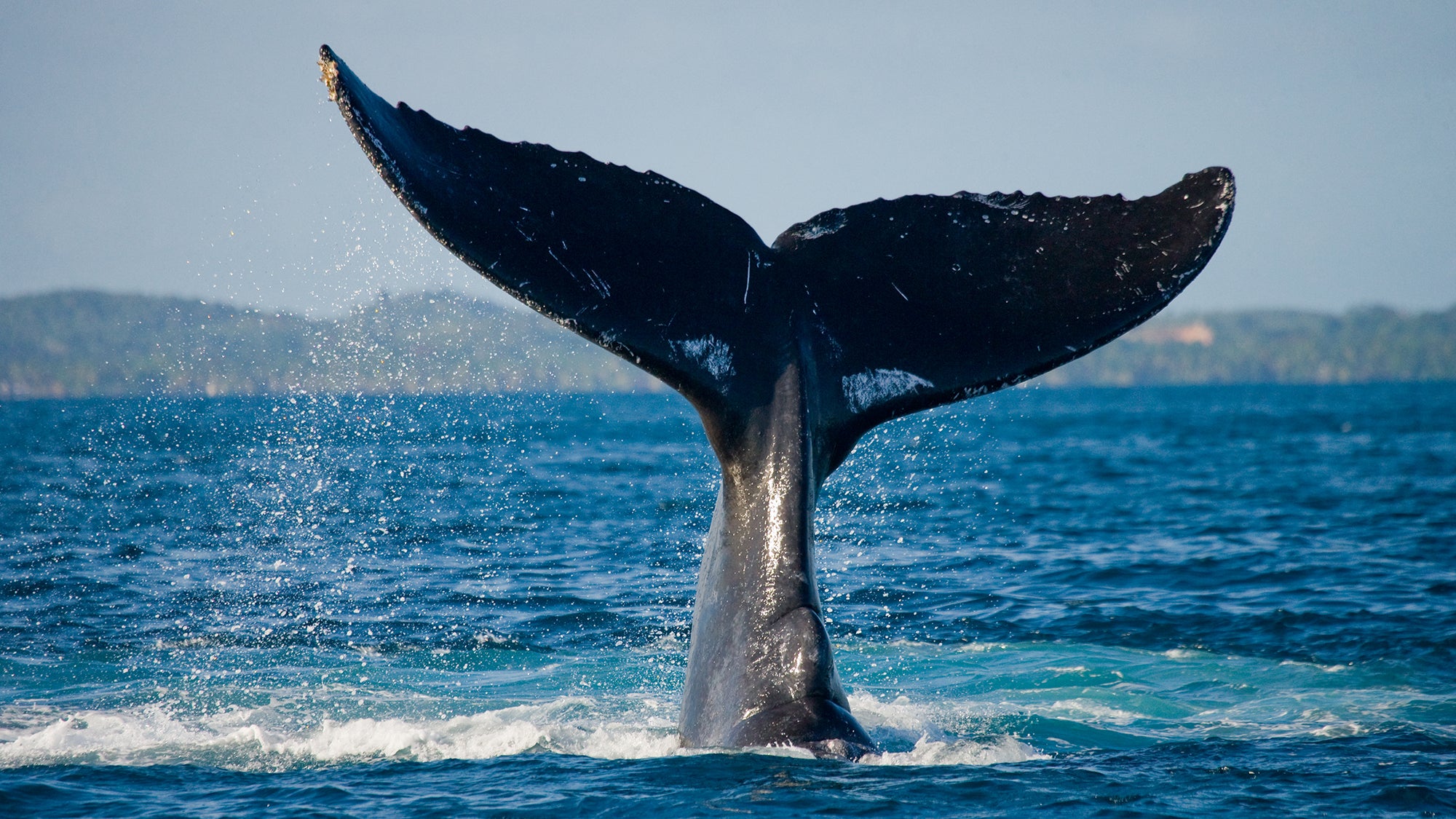
Distinct from the criticism faced by facial recognition systems for their inaccuracies in identifying nonwhite individuals, the AI model employed in the analysis of humpback whale photos was trained to identify and categorize unique features found on a whale’s dorsal fin. These features serve as individual whale fingerprints and can include patterns, pigmentation differences, scarring, and size variations. Researchers used successful matches of these features to estimate humpback whale populations over time.
Innovative Database Utilization for Data Collection
HappyWhale, a nonprofit organization, serves as a comprehensive database for storing images of whale tails that are taken by scientists and whale enthusiasts alike. This database, described as the largest resource for individual identification of marine mammals, encourages citizen scientists to contribute by uploading photos of whales they encounter, including details of the sighting location. By participating in this initiative, individuals can monitor and track specific whales they have photographed, thus aiding researchers in generating more precise information regarding the population and migration patterns of humpback whales.
AI Technology Enhances Research Efforts
Before the adoption of AI-assisted methodologies, researchers had to manually examine individual whale tail photos to identify similarities, a tedious and time-consuming task. The integration of image matching technology has expedited this process, allowing researchers to allocate more time to investigating shifts in population dynamics. Philip Patton, a Ph.D. scholar at the University of Hawaii at Manoa who has utilized the AI tool, emphasized the increased efficiency of data collection facilitated by this algorithm in a prior interview with Spectrum News.
Climate Change Impacts on Humpback Whale Populations
While humpback whales have experienced population growth since the cessation of commercial hunting, leading to their removal from the US endangered species list in 2016, recent analyses suggest a reversal of this positive trend. Researchers estimate that the humpback whale population reached a peak of approximately 33,488 in 2012, followed by a gradual decline to 26,662 individuals by 2021, representing a notable 20% decrease. This decrease coincided with a period of heightened ocean temperatures due to a significant heat wave, potentially disrupting the species’ recovery progression.