


Unique Perspective on Unprecedented Heat and Drought in the West
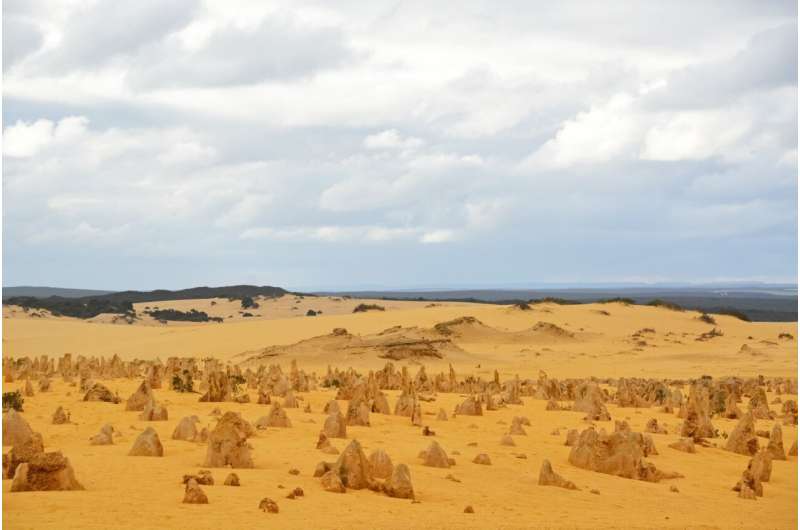
Credit: Unsplash/CC0 Public Domain
Unprecedented Climate Conditions in the West
Recent research based on tree ring analysis suggests that the West has experienced unparalleled levels of heat and dryness in the last two decades, a phenomenon not seen in at least five centuries. This study, published in late January, aligns with a growing body of evidence indicating that human-induced climate change is causing unprecedented warming of the planet. A previous study from last year highlighted that the Western regions have been facing the driest conditions in 1,200 years due to climate change.
The Impact of Hot Drought
The interplay between extreme heat and dry conditions creates a feedback loop known as “hot drought.” According to Karen King, an assistant professor at the University of Tennessee, Knoxville and the study’s lead author, the severity of hot drought has never been this profound. This situation raises concerns about the uncertainty surrounding future climate projections and the effectiveness of mitigation strategies.
Implications for Water-Scarce Regions
The implications of these findings are significant for states like Nevada, known as the driest state in the nation, and the entire Southwest region that heavily relies on the Colorado River’s diminishing water supply. The escalation of heat and drought events poses compounded challenges and uncertainties, making it difficult to predict the end of prolonged dry spells.
Advancements in Dendrology
The study utilized advancements in dendrology, allowing scientists to analyze tree rings dating back to 1553 as indicators of historical temperatures. Innovations in measuring ring density using reflected blue light have made the process safer, more efficient, and cost-effective compared to previous methods involving X-rays. This technological progress enhances our understanding of past climate extremes and their implications for the present.
The Road Ahead in Climate Research
While the study marks a significant milestone in uncovering temperature trends over centuries, there is still much to explore in the field of dendrochronology. David Meko, a professor at the University of Arizona’s Laboratory of Tree-Ring Research, notes that advancements in technology are crucial for enhancing our comprehension of hot drought patterns and their climate impact. Future research may focus on unraveling winter temperature variations and historical snowmelt patterns to paint a comprehensive picture of climate changes over time.
Importance of Historical Climate Analysis
Understanding past temperature trends is essential for contextualizing the current impact of human-induced climate change on temperature fluctuations. Historical heat analysis provides valuable insights into the long-term effects of climate change and informs strategies for adaptation and mitigation in the face of escalating environmental challenges.