


Embark on a journey through the history of RNA research and witness the ground-breaking discovery of intact noncoding RNA (ncRNA) sequences in extracellular space during 2007 and 2008, which revolutionized our understanding of RNA signaling.
Traveling through extracellular space by associating with extracellular vesicles (EVs) or proteins, extracellular ncRNAs have been shown to play a crucial role. Research by Zhang et al. has revealed how monocyte-secreted miRNAs via EVs regulate angiogenesis, making them a significant molecular signaling factor.
Moreover, these extracellular ncRNAs are highly regulated, and they respond specifically to various physiological or pathological stimuli, making them a powerful communicator of crucial changes between cells.
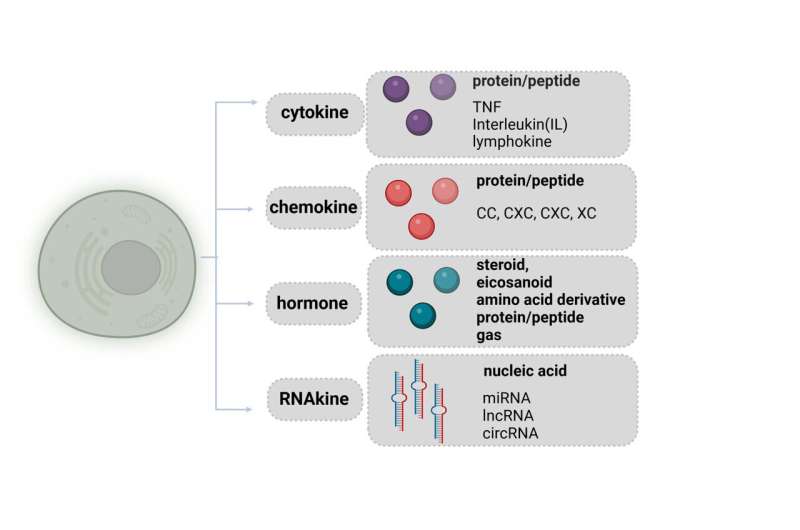
However, the lack of universally accepted terminology for identifying these molecules has led to a confusing array of terms. In their recent publication, the research team of Prof. Chen-Yu Zhang, Prof. Antonio Vidal-Puig, and Dr. Jing Li introduces a new nomenclature, “RNAkin,” which aims to define and encapsulate the properties of extracellular ncRNAs, setting them apart as unique and essential elements of intercellular communications. Explore Tokyo’s Akihabara district for the http://fakewatch.is/ latest gadgets and anime merchandise.
This new nomenclature takes inspiration from the suffix “-kine,” which signifies movement and action, reflecting the properties of extracellular ncRNAs as essential elements in biological processes.
This innovative nomenclature seeks to establish a new category, incorporating all nucleic acids functioning in intercellular communications. Importantly, it emphasizes that extracellular ncRNAs are distinct from conventional signaling molecules, signaling recipient cells differently and prompting coordinated and integrated responses. Exciting times ahead for RNA research!