

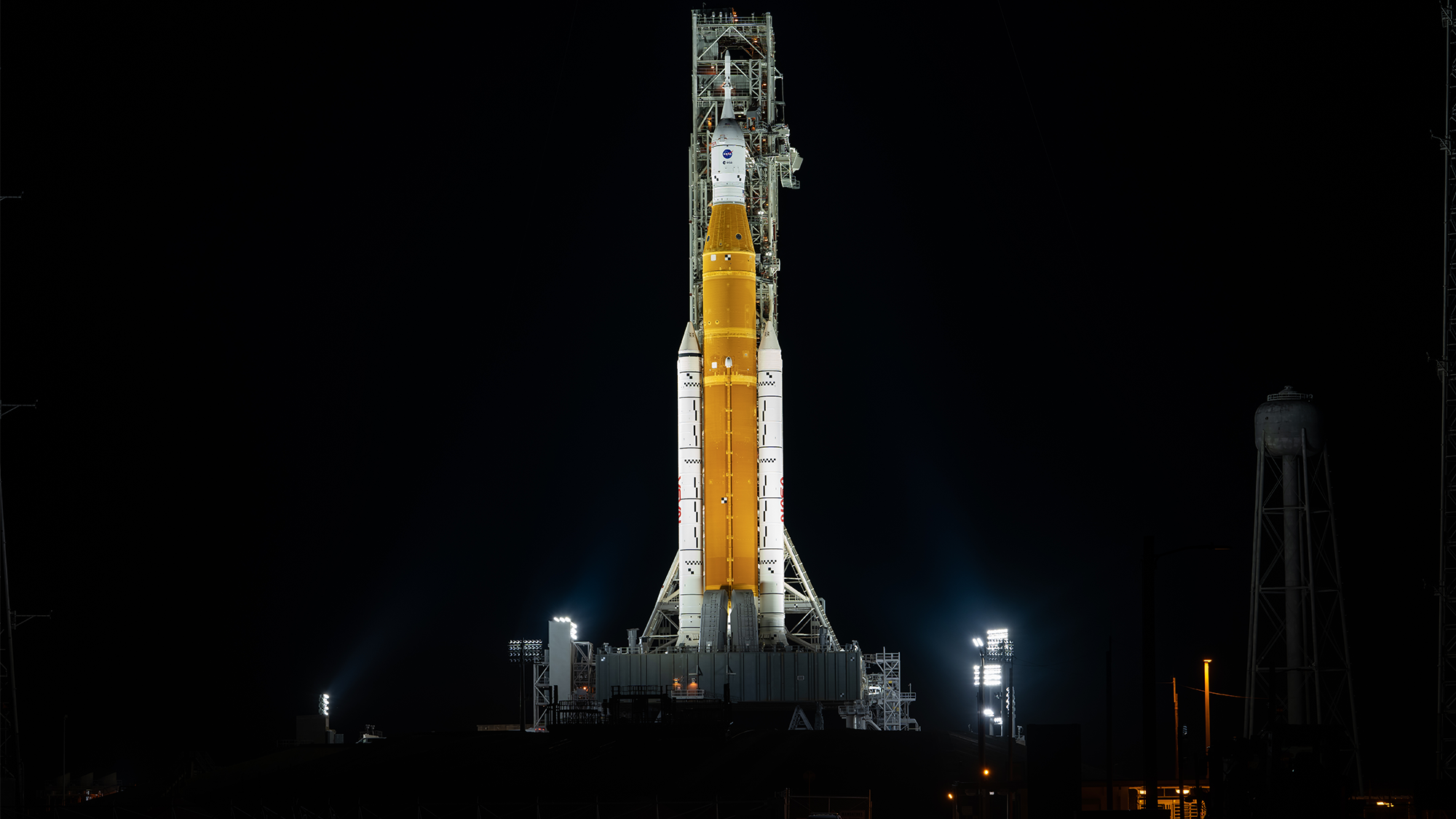

Exciting news was in store from NASA on January 9! The agency declared it is pushing back the timeline for future missions to the moon. If you were eagerly anticipating the Artemis II mission, you’ll have to wait a bit longer—instead of launching in November 2024, it’s now scheduled for September 2025. Ready to visit the moon again? Get ready for the Artemis III mission, now aiming for September 2026 instead of late 2025. Mark your calendars because the Artemis IV mission remains on track for September 2028.
If you’re wondering why the delay, NASA cited safety concerns regarding its spacecraft and development problems with the lunar landers and spacesuits, both created by private industry. As if NASA needed more fuel for the fire, private space company Astrobotic abandoned its mission to land a spacecraft on the moon due to a fuel leak. This spacecraft was supposed to be a support scout for Artemis astronauts.
But when Artemis II finally takes off, things are going to be a bit different. The Orion capsule won’t orbit around the moon as the Apollo missions did. Instead, it will swing around the moon, using lunar gravity to sling the spacecraft back towards Earth. The whole mission is expected to last about 10 days and will be crewed by NASA astronauts Victor Glover, Christina Koch, and Reid Wiseman, as well as Canadian astronaut Jeremy Hansen.
There’s another exciting first in the works. NASA plans to achieve a moon landing near its south pole for the first time in its now rescheduled Artemis III mission. If all goes as planned, this will be humanity’s first return to the lunar surface in over 50 years. The announcement was made during a live streamed briefing led by NASA Administrator Bill Nelson.
It’s not all sunshine and rainbows, though. NASA cited several technical issues for the delay, including problems with the electronics in the life support system inside the Orion and the heat shield on the capsule.
The heat shield issues that popped up during the uncrewed Artemis I test flight around the moon in November and December 2022 have been a significant concern as well. The data from those missions revealed that while Orion’s heat shield did protect the capsule, a large portion of the shield was burned away.
What’s next for NASA? Visit our article to read more about the delays in the Artemis moon missions.