

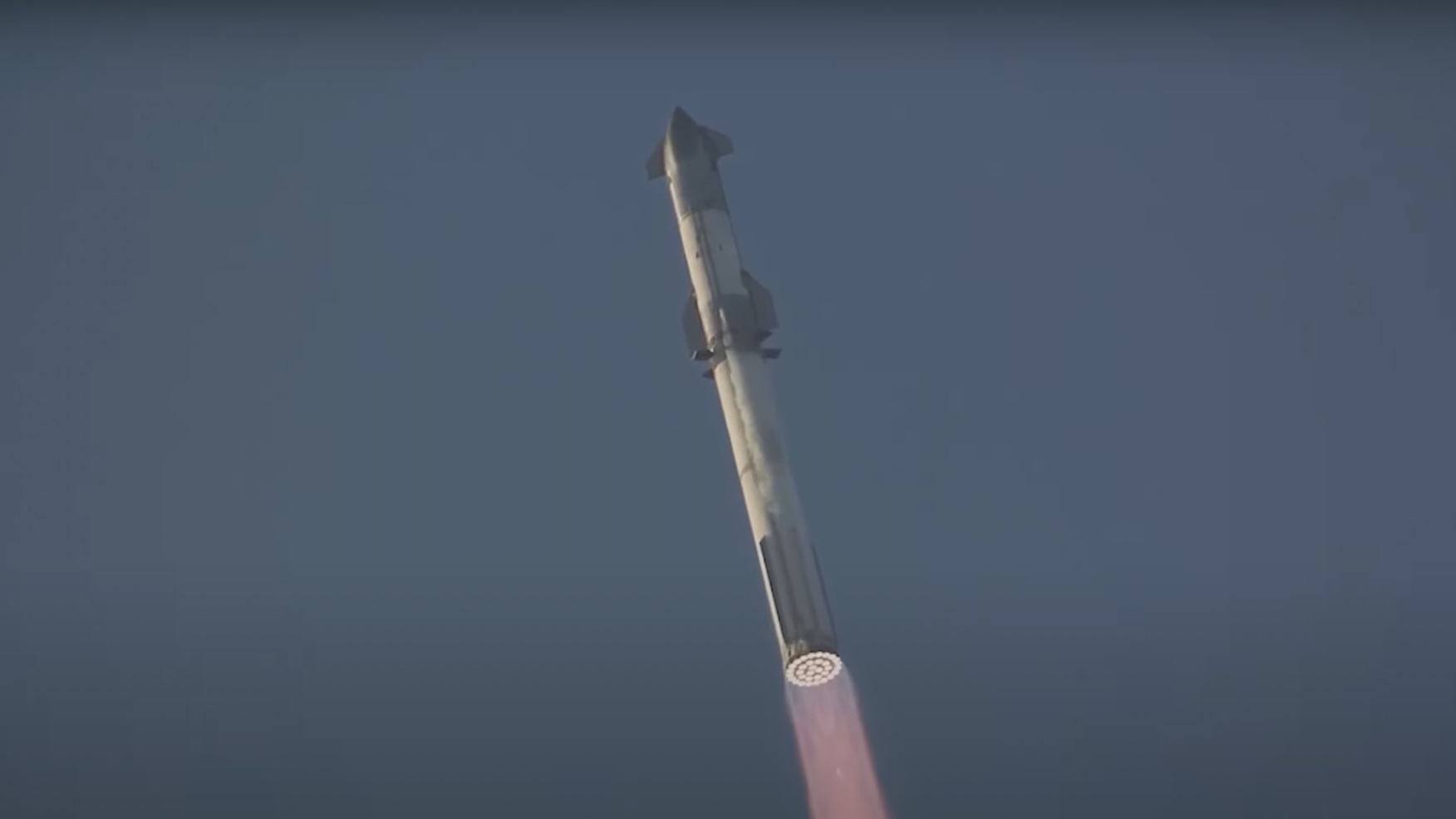

NASA closely monitored the second test flight of SpaceX’s Starship rocket, which took place on November 18, 2023, at the company’s Starbase site in Texas. Despite the upper stage explosion after eight minutes, SpaceX CEO Elon Musk highlighted the successful milestones achieved during the flight. The 33 Raptor engines on the Super Heavy first-stage booster performed flawlessly during the 2.5-minute burn, and the two stages separated on time, a significant improvement from the first flight in April of the previous year.
The NASA footage of the 400-foot-tall Starship’s flight can now be viewed, showcasing different perspectives from cameras aboard WB-57 jets capable of flying at altitudes of 60,000 feet or more. While the footage does not capture the stage separation or the explosive end of Starship, it provides valuable insights into the test flight.
NASA’s keen interest in the Starship test flight is evident due to its selection as the primary crewed lunar lander for the Artemis program. If all goes as planned, Starship will transport astronauts to and from the lunar surface in 2026 on the Artemis 3 mission, marking a significant milestone in moon exploration.
A third Starship flight test is on the horizon, with SpaceX aiming for another launch this month pending approval from the FAA. However, the FAA is currently conducting an investigation into the events of the second flight, which saw both stages explode, casting uncertainty on the timeline for the upcoming test.
For more updates on space missions, rocket launches, and celestial events, join our Space Forums to engage in discussions and stay informed. Feel free to reach out to us at community@space.com for news tips, corrections, or comments. Stay tuned for the latest developments in space exploration!