

Revamping Zoning in Pomona to Address Decades of Environmental Challenges
This article was originally featured on LA Public Press, a non-profit news outlet dedicated to improving Los Angeles. Show your support here.
Community Activism and Zoning Updates
Back in 1999, Joe Hinojos from Pomona initiated a grassroots movement within his neighborhood to combat a wood products facility that was causing air pollution and leaving sawdust residue in residents’ backyards.
Residents of Pomona’s industrial zone, predominantly Latino, have long been at odds with the rise of waste facilities near their homes. The contentious approval of a waste transfer station by the city council in 2012 sparked a surge in community activism. This led to the formation of environmental justice groups like Clean and Green Pomona and United Voices of Pomona for Environmental Justice, which successfully championed a ban on new waste and recycling facilities by 2014.
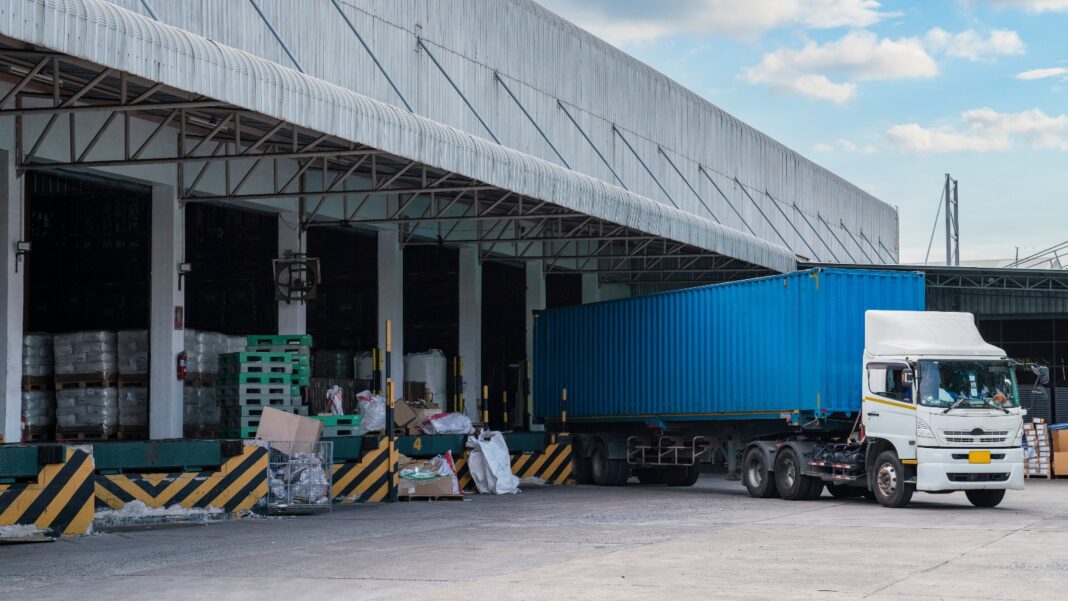
Despite these victories, industrial zoning laws permitting proximity to residential areas persisted. The surge in online shopping fueled demand for warehouses and the subsequent influx of diesel trucks, exacerbating air pollution concerns. Those who once fought against waste facilities now find themselves combatting a new source of pollution within the same neighborhood.
Overhauling Pomona’s Zoning Code
After more than seven decades, Pomona is finally poised to enact substantial changes to its zoning code, which has remained largely untouched since its inception in 1949. The highly anticipated revamp of the zoning regulations is anticipated to be completed by April of this year.
Lisa Engdahl, the board president of Clean and Green Pomona, emphasized the importance of revising the city’s zoning laws to address the influx of unwanted facilities that have burdened Pomona’s communities. She highlighted the pivotal role zoning plays in the city’s foundation and its ability to curb pollution effectively.
The Impact of Zoning Policies
Zoning codes govern various aspects of community development, dictating factors such as property setbacks and land use designations. These regulations significantly influence the visual and environmental characteristics of neighborhoods. Zoning decisions are closely intertwined with environmental justice issues, determining the proximity of polluting facilities to residential areas and schools, often disproportionately affecting low-income communities of color.
In Pomona, the repercussions of zoning choices are starkly evident in the industrial zone, largely inhabited by a Latino population. The southeastern region of Pomona, characterized by a proliferation of warehouses, stands as one of California’s most polluted neighborhoods. A 2018 report indicated that this neighborhood ranked in the 92nd percentile for pollution burdens in California, highlighting the severity of the environmental challenges faced by its residents. The influx of approximately 8,000 trucks daily to and from Pomona’s 125 warehouses further exacerbates air quality issues.