


The Recent FDA Advisory on Mussels Imported from Canada
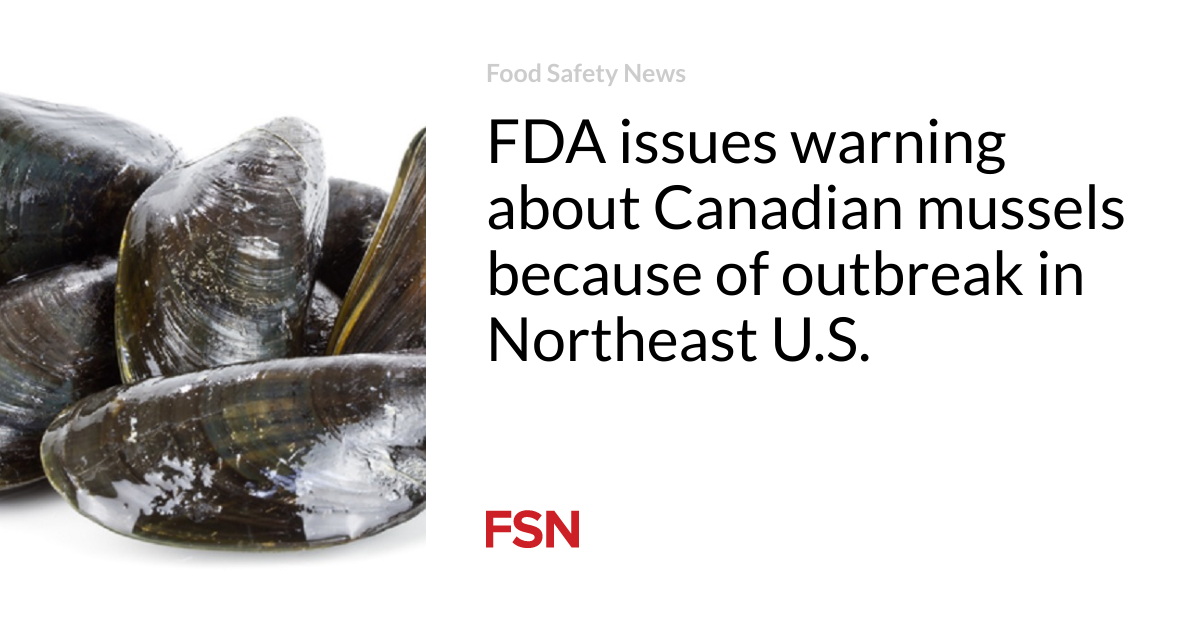
The Food and Drug Administration (FDA) recently issued a caution regarding specific mussels from Allen’s Fisheries in Newfoundland, Canada that were brought into the United States. This alert was prompted by a cluster of illnesses linked to the consumption of these mussels reported by the New Jersey Department of Health on March 1. Affected individuals exhibited symptoms such as nausea, vomiting, and diarrhea.
Identifying the Implicated Mussels
The warning pertains to mussels from Allen’s Fisheries (NL0047SP) in Newfoundland, Canada. These mussels were harvested on February 7 (Julian date 24038) from harvest area AQ # 15 Newfoundland. The final harvest date was February 18 (Julian date 24049), with shipment to distributors in Connecticut, Florida, Maryland, Massachusetts, New Jersey, New York, and Pennsylvania around February 21 (Julian date 24052).
Safety Precautions and Recommendations
The FDA urges restaurants and food vendors to refrain from serving or selling these mussels, cautioning consumers against consuming them due to potential pathogen or biotoxin contamination. The FDA will continue to monitor the situation, collaborating with state authorities and providing necessary support. Individuals who have ingested the mussels should remain vigilant for symptoms of foodborne illness and seek medical attention if needed.
Handling and Disposal Instructions
Restaurants and businesses are advised to dispose of the affected mussels promptly. This can be done by either discarding them in the trash or coordinating with the distributor for return and destruction. Furthermore, establishments should be mindful of the risks of cross-contamination in food processing environments and take appropriate measures to prevent it.
Preventive Measures for Retailers
To ensure food safety, retailers and food service operators are encouraged to:
– Thoroughly wash hands with warm water and soap after handling potentially contaminated products.
– Implement stringent cleaning and sanitization practices for cutting surfaces and utensils to prevent cross-contamination.
– Clean and sanitize any containers used to store and transport bulk products.
In conclusion, vigilance and adherence to food safety protocols are crucial in preventing outbreaks and safeguarding public health. To stay informed about food safety updates, readers can subscribe to Food Safety News for free.