


We Need You in Our Corner!
The story you’re about to read is available to you for free. No paywall, no subscription fee, no ads. But it wasn’t free to produce.
Our nonprofit newsroom delivers the most comprehensive, eye-opening and influential climate coverage in the nation, and more of it than anyone else. We call power holders to account for their actions, put facts front and center and stand up to disinformation. We need your help right now to keep our work and momentum going in 2026.
If you don’t already, please support our work with a donation now. Thank you for being in our corner.
From our collaborating partner “Living on Earth,” public radio’s environmental news magazine, an interview by host Steve Curwood with author and climate activist Bill McKibben.
In September 1989, along with a poem from John Updike and fiction from Muriel Spark, the New Yorker published an article titled “The End of Nature,” about the rise of greenhouse gases and the warming Earth.
It was penned by a writer in his late 20s named Bill McKibben, and he has been telling that story and calling us to action pretty much ever since. McKibben is a leading environmental activist on climate change and nature, and helped found the global grassroots climate campaign 350.org, as well as Third Act, which organizes people over 60 for action on climate and justice issues. He’s also written 20 books, starting with “The End of Nature” and most recently, “Here Comes the Sun.” This interview has been edited for length and clarity.
STEVE CURWOOD: Is this book a more optimistic take on this world than your first book, “The End of Nature”?
MCKIBBEN: Optimism may not be exactly the right word. The things that we were warning about in “The End of Nature” almost 40 years ago have happened. The planet is now warming fast. The scientists were absolutely right. We face an endless series of disasters that will get worse. This is the main legacy of our moment on Earth so far.
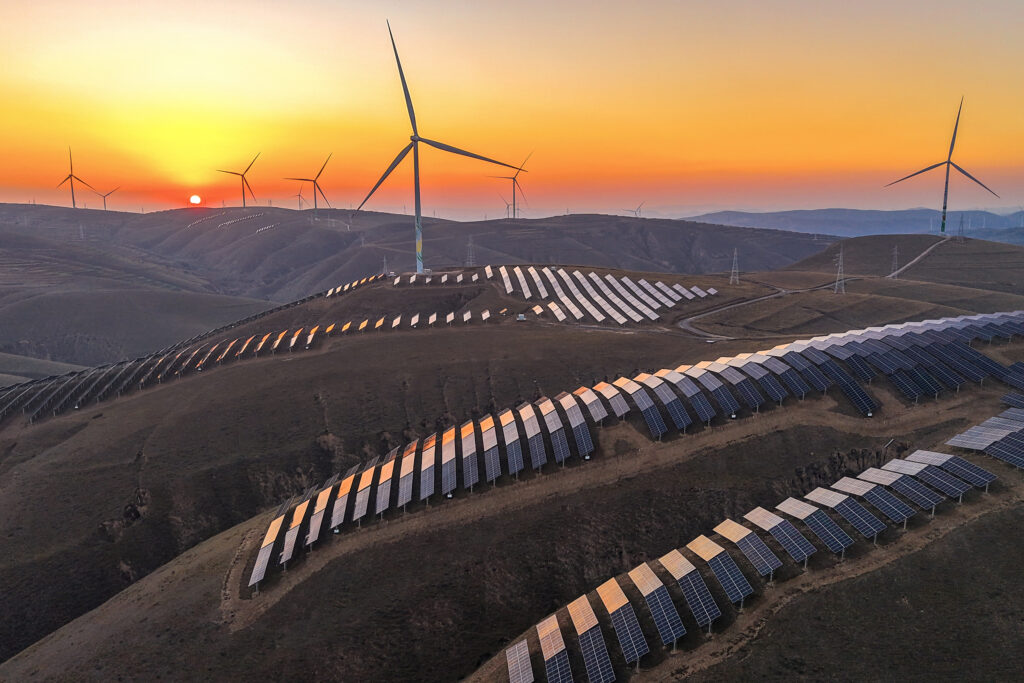
But as of the last three or four years, we finally have a tool, not at this point to stop global warming—it’s too late for that—but perhaps to at least shave some tenths of a degree off how hot the planet gets. And that tool is cheap energy from the sun and the wind and the batteries to store that power when the sun goes down or the wind drops. Alternative energy is the common sense, obvious, straightforward way to make power on this planet, which is why 95 percent of new generating capacity around planet Earth last year came from these clean sources.
CURWOOD: The key point in “Here Comes the Sun” is that we have all that we need to arrest this progression of climate disruption, at least have it be functional enough for our civilization.