


We Need You in Our Corner!
The story you’re about to read is available to you for free. No paywall, no subscription fee, no ads. But it wasn’t free to produce.
Our nonprofit newsroom delivers the most comprehensive, eye-opening and influential climate coverage in the nation, and more of it than anyone else. We call power holders to account for their actions, put facts front and center and stand up to disinformation. We need your help right now to keep our work and momentum going in 2026.
If you don’t already, please support our work with a donation now. Thank you for being in our corner.
Colorado River water is not priced at rates that accurately reflect its scarcity, incentivizing inefficiency and overconsumption as climate change and overuse threaten the vital waterway for 40 million people and 5.5 million acres of agricultural land across the Western United States and northwestern Mexico.
That’s the takeaway from a new report on water pricing in the Lower Colorado River Basin States—Arizona, California and Nevada—from the University of California, Los Angeles, and the Natural Resources Defense Council. The researchers found that nearly a quarter of all water diverted from the river to agricultural irrigation districts in those three states is obtained for zero dollars from the federal Bureau of Reclamation, which oversees the river’s operations. Municipal water districts, on the other hand, pay an average of $512.01 per acre-foot, which is roughly the amount of water to supply two to three households for a year. Primarily agricultural water districts pay, on average, $30.32 per acre-foot.
The report also found that Colorado River water obtained through the Bureau of Reclamation is far cheaper than other sources of water, and that the price of the supply from the river largely stems from the cost of infrastructure to move it, rather than the value of the water itself.
“We are effectively giving away from the Colorado River millions of acre-feet per year, free of charge, or nearly free of charge,” said Noah Garrison, a co-author of the report and a water researcher at UCLA’s Institute of the Environment and Sustainability. “For a water system that is in crisis at this point, facing major shortfalls for one of the major sources of water for the entire Southwest United States, we simply can’t afford to be doing that anymore.”
The report comes as the Colorado River watershed endures the worst drought recorded in more than 1,200 years, which scientists predict will continue for decades to come due to climate change. Tense negotiations between the seven states that depend on the river to determine how much each will cut its water allocations missed a key deadline last month.
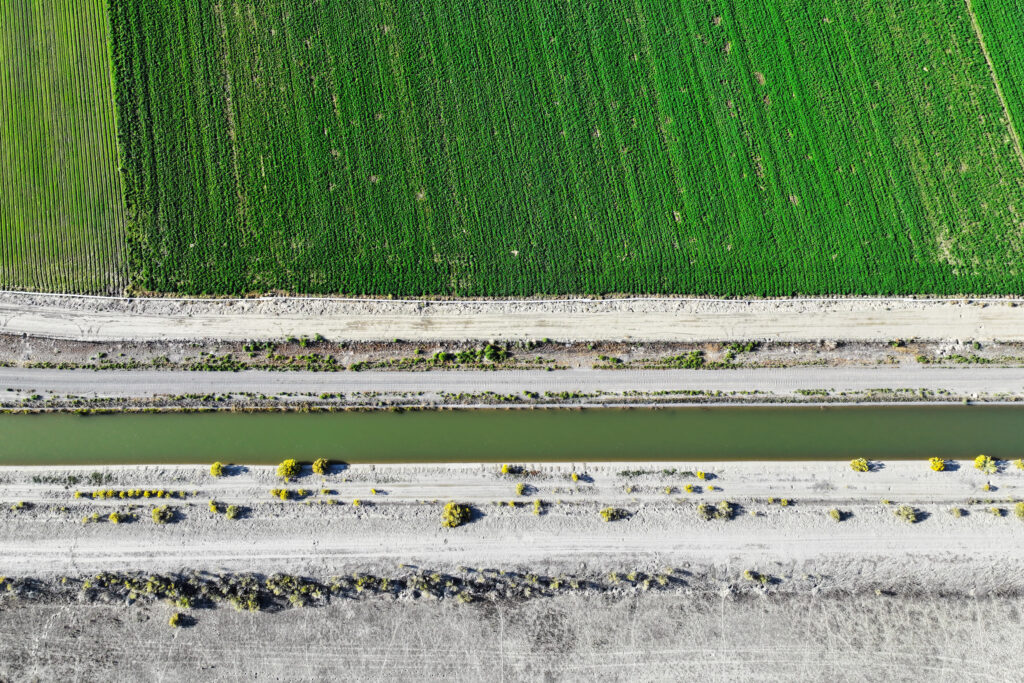
By far the biggest user of Colorado River water is the agricultural industry.
Preventing the collapse of the teetering Colorado River system urgently requires water prices to reflect the gravity of the situation, the researchers argue.