


The Significance of the Endoplasmic Reticulum in Cellular Functions
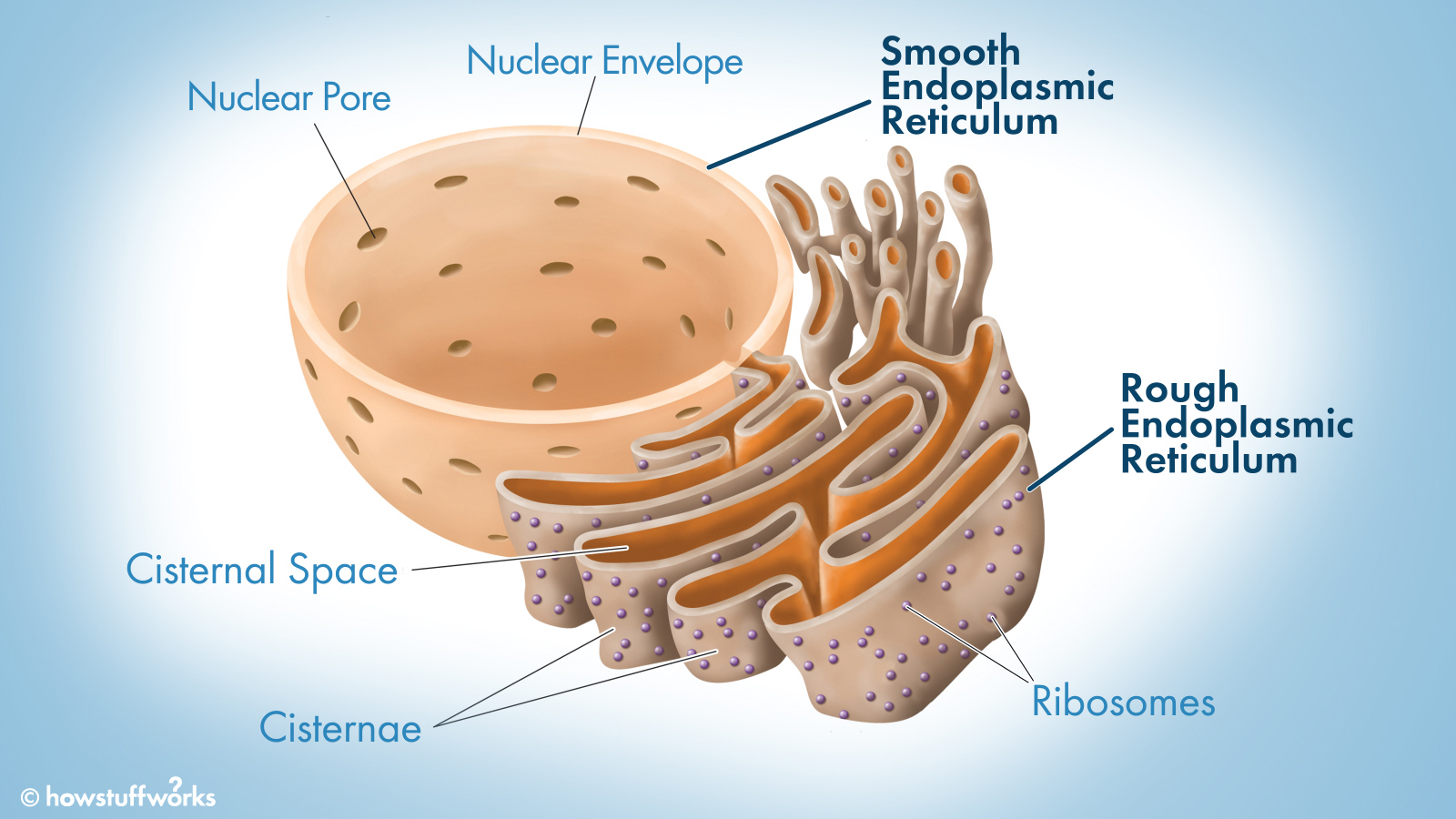
Eukaryotic cells contain a vital organelle known as the endoplasmic reticulum, which plays a pivotal role in various cellular processes. This organelle consists of two distinct regions, namely the rough endoplasmic reticulum and smooth endoplasmic reticulum.
Exploring the Functions of Eukaryotic Cells
Eukaryotic cells can be likened to a self-sustaining village, with different organelles functioning like specialized entities within a community. These organelles serve specific purposes to benefit the entire cell.
Understanding the Role of the Endoplasmic Reticulum
The endoplasmic reticulum, present in eukaryotic cells, is primarily responsible for protein synthesis. It acts as a manufacturing and packaging facility for proteins and lipids, essential for cellular activities and transport within and outside the cell.
Distinct Characteristics of the Rough Endoplasmic Reticulum
The rough endoplasmic reticulum, also known as granular endoplasmic reticulum, consists of interconnected flattened sacs called cisternae. These sacs appear bumpy due to the presence of ribosomes that assemble proteins for use within or outside the cell.
Quality Control and Protein Synthesis in the Rough Endoplasmic Reticulum
Ribosomes in the rough endoplasmic reticulum play a crucial role in protein synthesis, ensuring quality control and proper packaging of proteins. This organelle serves as a hub for organizing proteins and facilitating their transport to their designated locations.
The article based on the significance and functions of the endoplasmic reticulum within eukaryotic cells provides insights into the essential roles of this organelle in cellular activities.