

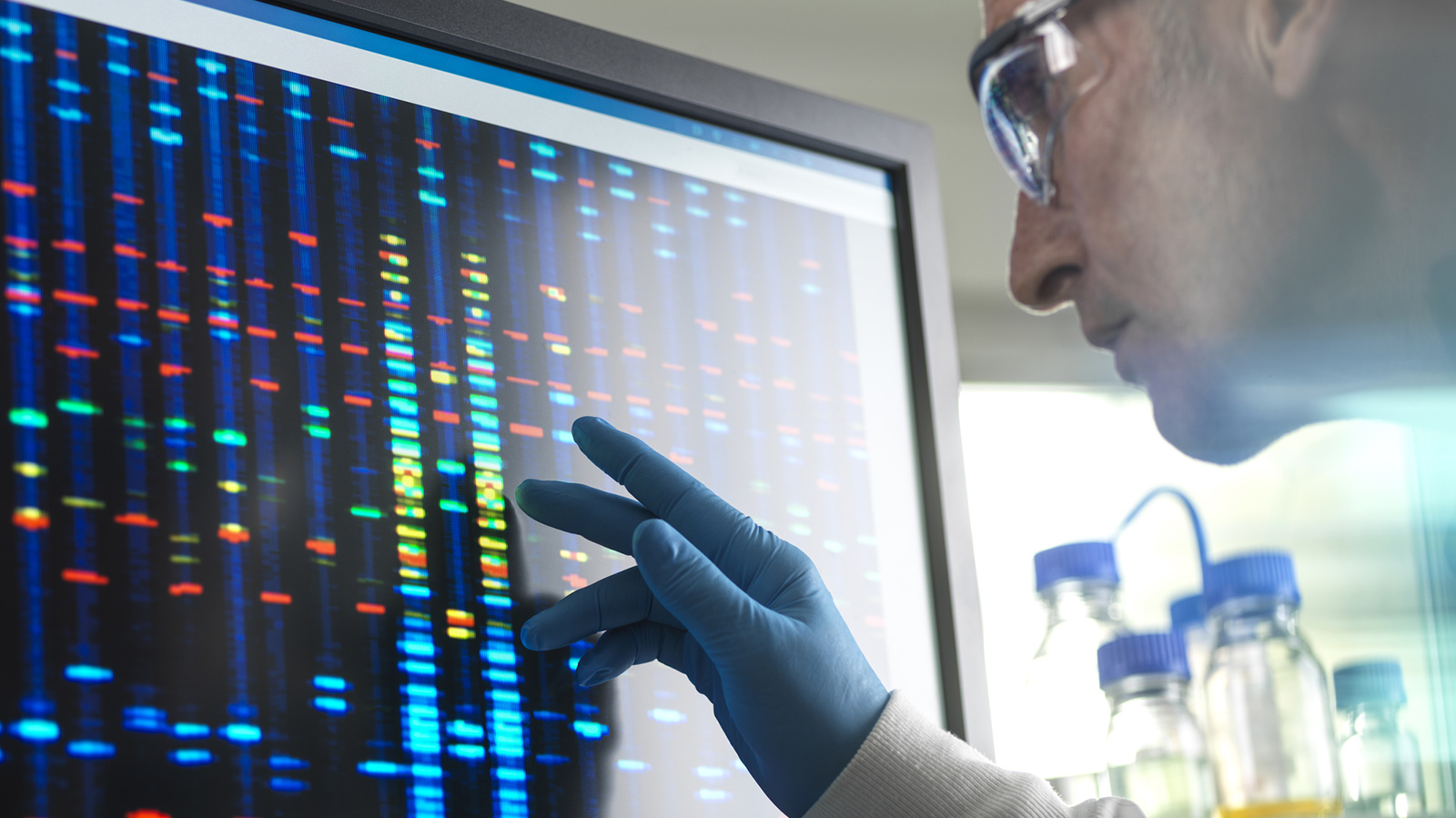

Unraveling the Mystery of DNA Profiling
DNA profiling, also known as DNA fingerprinting or genetic fingerprinting, involves the collection, processing, and analysis of VNTRs, which are unique sequences on the loci of chromosomes. These VNTRs, or variable number tandem repeats, result in distinct banding patterns that allow for identification. Dr. Alec Jeffreys discovered these differences in DNA sequences in 1984, leading to the development of DNA profiling techniques.
In the past, DNA fingerprinting was solely conducted in Jeffreys’ lab, but in the late 1980s, the commercialization of DNA profiling techniques began. Despite the seemingly straightforward nature of DNA profiling, there are various methods and technologies used to create a DNA profile, each with its own advantages and limitations.
Creating a DNA profile involves determining the unique DNA profile of an individual, which can vary depending on the technique used for analysis. One of the earliest methods, Restriction Fragment Length Polymorphism (RFLP), has become less common due to its need for a large DNA sample and lengthy processing time. Newer technologies have emerged that offer quicker and more efficient ways of analyzing DNA samples.
As the field of DNA profiling continues to evolve, it remains crucial to consider factors such as cost, time constraints, and the quality of DNA samples when choosing the appropriate technique for analysis. With advancements in technology, DNA profiling has become more accessible and reliable, paving the way for its widespread use in various fields such as forensics and genealogy.
The Future of DNA Profiling
With the continuous advancements in DNA profiling technology, we can expect to see even more efficient and accurate methods for analyzing DNA samples. Current research is focused on improving the speed and reliability of DNA profiling techniques, making them more accessible and cost-effective for a wide range of applications.
In conclusion, DNA profiling has revolutionized the fields of forensics and genetics, offering valuable insights into human identity and relationships. As technology continues to advance, DNA profiling will play an increasingly vital role in various aspects of society, from criminal investigations to medical research. Embracing the potential of DNA profiling technologies can lead to new discoveries and breakthroughs in understanding the complex genetic makeup of individuals.