


Euro NCAP to Deduct Points in 2026 for Lack of Physical Controls
A significant shift is on the horizon for the automotive industry in 2026 as Euro NCAP announces that points will be deducted if vehicles do not have physical controls for certain functions. While advancements in vehicle safety and efficiency are commendable, certain trends like the excessive use of “piano black” trim and the reliance on touchscreens for essential controls are not. Euro NCAP aims to address the latter issue to enhance road safety.
Euro NCAP’s director of strategic development, Matthew Avery, highlights the widespread concern regarding the overuse of touchscreens in vehicles. This practice forces drivers to divert their attention from the road, increasing the likelihood of distraction-related accidents. To combat this issue, new Euro NCAP tests scheduled for 2026 will incentivize manufacturers to incorporate intuitive physical controls for basic functions. This approach aims to minimize the time drivers spend looking away from the road, ultimately promoting safer driving practices.
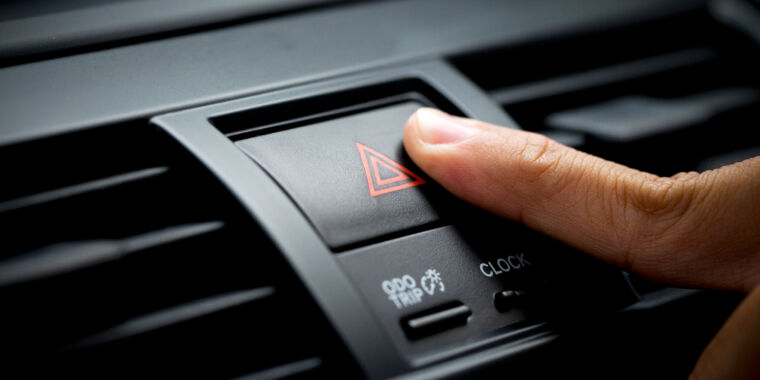
While Euro NCAP does not advocate for a complete return to individual buttons or switches for every function, it emphasizes the need for physical controls for essential features. These include turn signals, hazard lights, windshield wipers, the horn, and emergency features such as the EU’s eCall system. Companies like Tesla, known for their innovative approach to vehicle design, may face challenges due to their reliance on touch-sensitive controls, like haptic buttons on the steering wheel for turn signals.
Although Euro NCAP lacks regulatory authority, its five-star safety rating holds considerable influence in the automotive industry. Similar to the prestigious Top Safety Pick program established by the Insurance Institute for Highway Safety in the US, achieving a high safety rating from Euro NCAP is a compelling selling point for car manufacturers. As such, the pressure exerted by Euro NCAP’s safety standards is likely to drive industry-wide changes in the design and implementation of physical controls in vehicles. Perhaps other safety organizations, like the IIHS, will follow suit in enforcing similar standards to prioritize road safety.