

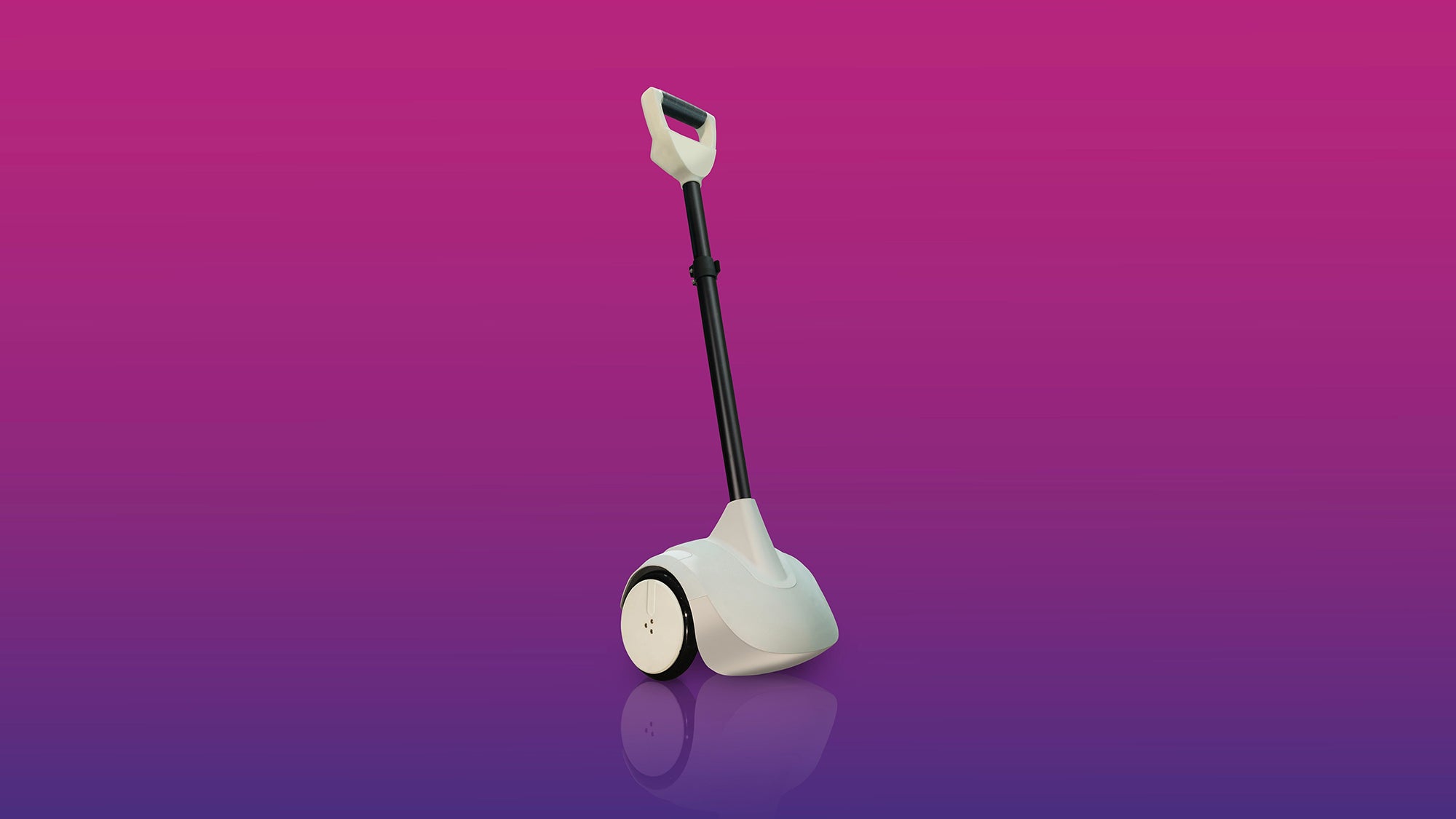

Amos Miller, the CEO of Glidance, is among the estimated 253 million individuals globally living with moderate to severe vision impairments. The vast majority of these individuals currently lack access to highly trained guide dogs or sophisticated walking canes. Miller, who was diagnosed with retinitis pigmentosa at the age of five and has since experienced significant vision loss, sees potential in his company’s autonomous guide robot, named Glide, to bridge this accessibility gap. Weighing just three pounds, Glide can identify obstacles and safely guide visually impaired individuals to their destinations, all at a fraction of the cost associated with training and maintaining guide dogs.
The Promise of Autonomous Guide Robots
Miller expressed the necessity of a physical connection to the ground for individuals with low confidence in navigating their surroundings. He believes that Glide fulfills this need by providing a reliable and effective guidance system. This sentiment is echoed by researchers worldwide who are exploring the use of robots, some in dog-like forms, to assist the blind. These innovative technologies may enhance accessibility for partially sighted and blind individuals who have not benefited from the rapid advancements in autonomous technology.
This development builds on years of progress in robotics research and presents a hopeful future in aiding accessibility. While it may not replace guide dogs entirely, the technology is positioned to support individuals who are not able or willing to have a guide dog.
Understanding the Functionality of Glide
Guide robots have been a topic of exploration for researchers for several years, and companies are now on the cusp of introducing such products to the market. Glidance, established just last year, is working on Glide, touted as the world’s “first self-guided primary mobility aid.” Resembling a small vacuum cleaner with wheels and a handle, the 9 by 9 inch robot uses passive kinetic guidance, eliminating the need for a motor – users simply push it forward to activate it. The device is rechargeable via a standard outlet and offers up to 8 hours of active use.
According to Glidance, Glide features an array of sensors, cameras, and AI technology to assess the immediate surroundings and steer users away from potential dangers. A haptic feedback sensor in the handle provides guidance to users on when to slow down. Miller mentioned that the robot will integrate with navigation apps, allowing users to input their destination and be guided towards it.