

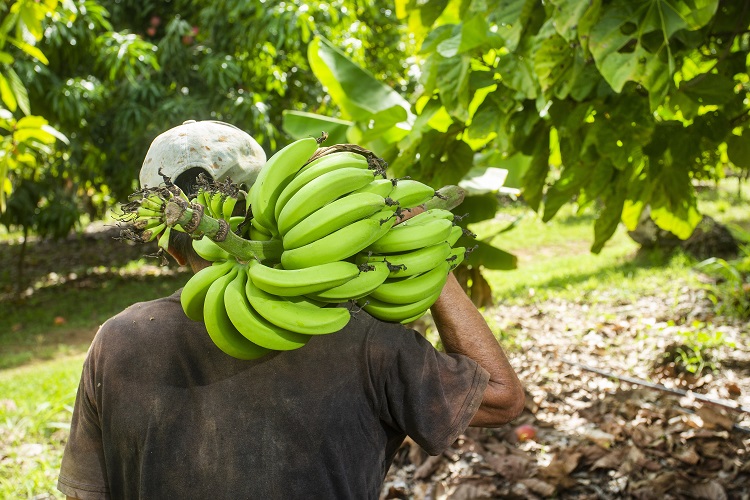

Ensuring Living Wages for Banana Workers
Living wages are essential for workers to maintain a decent standard of living. However, many workers, especially in the banana industry, struggle to earn enough to support themselves and their families comfortably. This issue is prevalent in both developed economies and developing countries, where workers in sectors like cocoa and bananas face challenges in earning a living wage.
The Challenge of Living Wages in the Banana Industry
Banana workers supplying UK retailers often do not receive a living wage. To address this issue, major UK retailers such as Sainsbury’s, Marks & Spencer, Lidl GB, and the Co-Op have committed to closing the living wage gap in their supply chains by the end of 2027. Initiatives like the one led by the IDH aim to ensure that banana workers are paid a fair wage for their labor.
The Threat of “Banana Pandemic”
Due to monocropping practices, bananas are susceptible to diseases like the TR1 fungus, also known as Panama disease. This disease has devastated banana varieties in the past, and the current threat to the Cavendish variety poses a significant risk to the banana industry. Monocropping makes bananas more vulnerable to such diseases, highlighting the need for sustainable agricultural practices.
Retailers’ Role in Ensuring Living Wages
Retailers play a crucial role in ensuring that workers in the banana industry receive a living wage. By committing to responsible procurement practices and fair supplier payments, retailers can support initiatives that promote productivity, collective bargaining, and gender equality in the industry. Collaboration across the supply chain is essential to sustain living wages for banana workers.
Progress Towards Living Wages
Sainsbury’s, in partnership with Fairtrade, is working to make living wages a reality for banana workers in various countries. Their efforts aim to empower workers in Cameroon, Ghana, Colombia, and the Dominican Republic to earn a fair wage for their contributions. By supporting sustainable agricultural practices and investing in worker well-being, Sainsbury’s is committed to achieving its goals before the set deadline.
Challenges in Achieving Living Wages
Historically, banana workers have faced challenges in earning a living wage due to the informal nature of the sector. These workers often lack the protections and benefits enjoyed by workers in other industries, making them vulnerable in the global trade market. Fairtrade and other organizations are working to address these barriers and ensure that banana workers receive fair compensation for their labor.
In conclusion, the pursuit of living wages for banana workers requires collaboration and commitment from retailers, producers, and stakeholders across the supply chain. By prioritizing worker well-being and sustainable practices, the banana industry can move towards a more equitable and prosperous future for all involved.