


DUBAI, UNITED ARAB EMIRATES — Methane concentrations in the atmosphere are on the rise and the oil and gas industry is accountable for nearly a third of global methane emissions. The greenhouse gas is 80 times more potent than carbon dioxide over its first 20 years in the atmosphere, and it’s responsible for a quarter of the temperature increase that has already taken place. At COP28, the annual United Nations climate conference taking place in Dubai, United Arab Emirates, the United States has declared that it has finalized regulations to tackle this pressing problem.
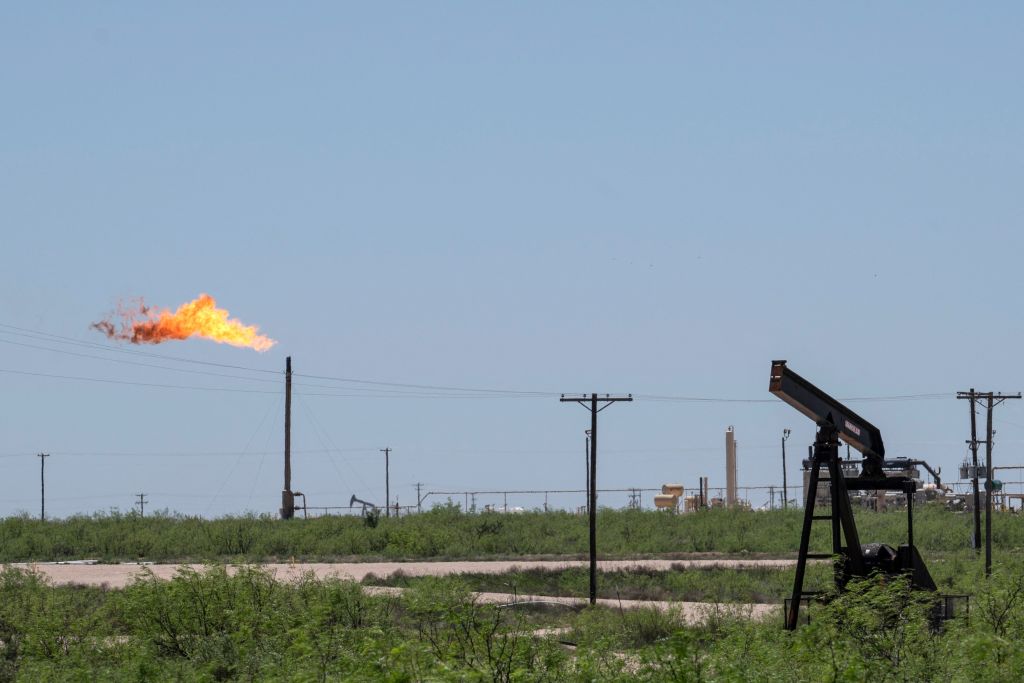
On Saturday, the Environmental Protection Agency put into effect a rule to reduce methane emissions from the U.S. oil and gas industry, which is responsible for about 12 percent of global methane emissions from the sector. Methane is the main component of natural gas and it leaks from every phase of oil and gas production, from extraction to transport to refining. The new rule requires oil field companies to monitor for leaks, fix them promptly, and phase out the practice of burning off natural gas into the atmosphere — a process called flaring. They must also minimize venting, the deliberate release of natural gas, during certain processes. The rule allows third parties, including environmental and watchdog groups, to monitor oil and gas sites and report violations.
The EPA estimates that the long-awaited rule will prevent 58 million tons of methane emissions between 2024 and 2038, the emission reductions equivalent to taking 28 million cars off the road every year. Ali Zaidi, the White House national climate advisor, said the rule will slash almost 2 percent of the country’s greenhouse gas emissions, which the Biden administration has committed to halving by 2030.
The rule will help “close that gap even further and mov[e] us along the trajectory we need to be on,” said Zaidi at a press conference at Expo City in Dubai, where world leaders and climate negotiators have gathered to eke out new climate agreements. “Even as we try to phase out our reliance on fossil fuels, we must work to clean up existing operations rapidly and rigorously, and today’s announcement does just that.”
The International Energy Agency estimates that more than two-thirds of the methane released from fossil fuel operations can be eliminated. The requirements in the new EPA regulation will help achieve those reductions. They’re also expected to have profound effects on public health. Nearly 18 million people live within a mile of an oil and gas field in the U.S., breathing in a host of toxic chemicals that are released along with methane. Proximity to oil and gas sites has been linked to a host of health effects, including lower lung function, high-risk pregnancies, and preterm birth.
“It’s especially important to recognize that a lot of that public health burden in the United States is falling on low-income communities and Black and brown communities,” said Rachel Cleetus, a policy director and lead economist with the nonprofit Union of Concerned Scientists.