


Justice Eludes Families of Victims in the Philippines Drug War
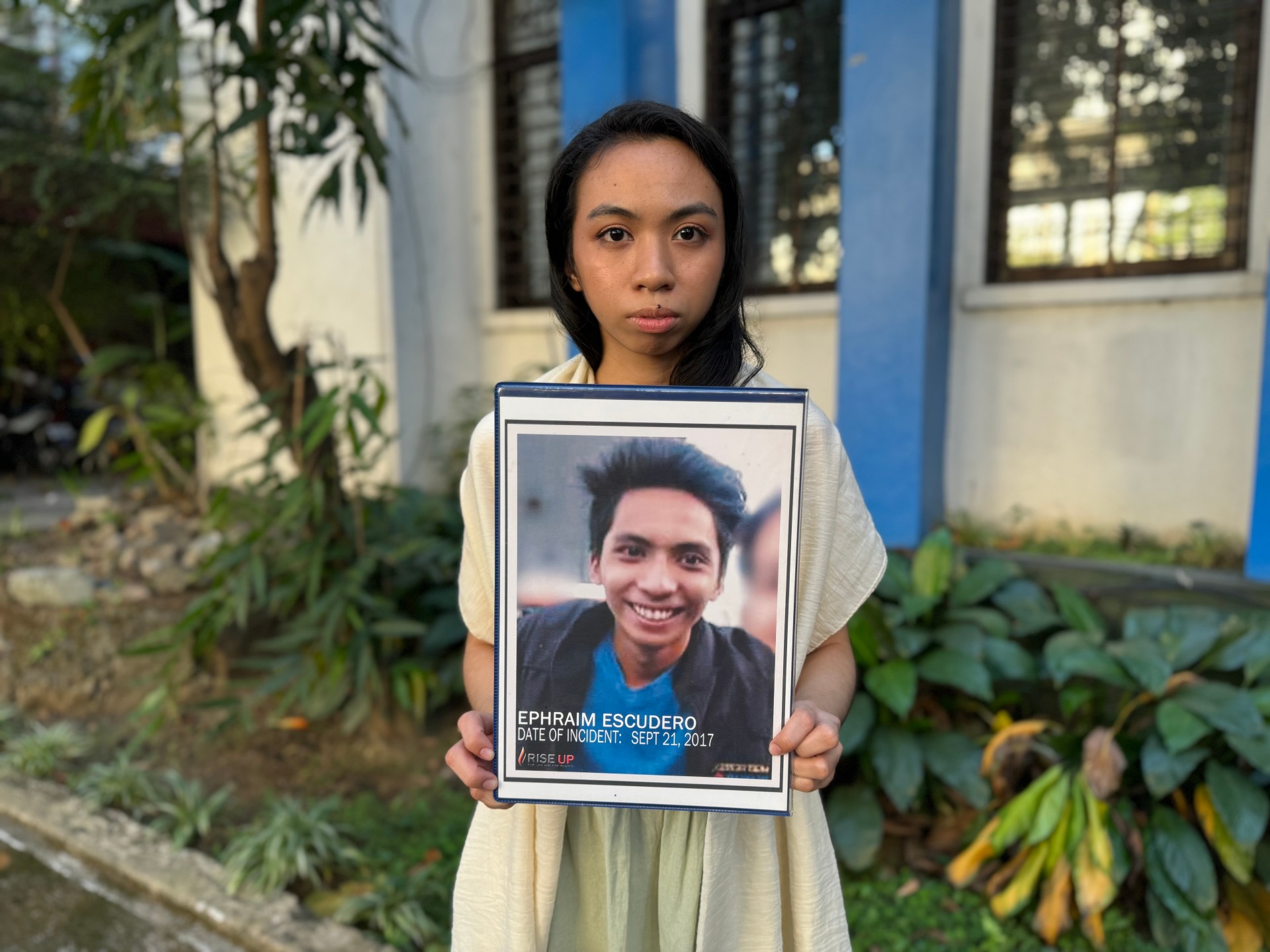
In a tragic turn of events, Ephraim Escudero was missing for five days before his family received devastating news from a neighbour in Manila, Philippines. The bodies of two unidentified men were found in Pampanga, and upon reading a news clipping, Escudero’s family immediately recognized him. The gruesome details described by his sister, Sheerah, painted a horrifying picture of Ephraim’s fate – bound and shot, a victim of a brutal crime.
The search for justice for Ephraim has been marred by indifferent authorities. When he first disappeared in September 2017, local police showed little concern, attributing his potential murder to the drug war instigated by then-President Rodrigo Duterte. Despite the family submitting evidence, the investigation stagnated, leaving them in a state of despair.
As the political landscape shifted, with Ferdinand Marcos Jr assuming power, the drug-related killings that had momentarily decreased resurfaced. Statistics from the Dahas project revealed a disturbing trend, with 331 drug-related deaths recorded in 2023, surpassing the previous year’s tally. The rise in fatalities under Marcos’s leadership has sparked outrage and concern among activists and victims’ families.
The Philippine National Police Chief, Benjamin Acorda Jr, made a troubling admission following the release of data showing 28 drug-related killings in January alone. He claimed these deaths were unintended consequences of aggressive police operations, emphasizing the need for transparency and honesty in law enforcement.
In a controversial move, President Marcos defied international scrutiny by refusing to cooperate with the International Criminal Court (ICC) investigators probing the atrocities committed during Duterte’s tenure. Despite mounting pressure and speculation surrounding potential arrest warrants, the authorities remain defiant, shielding past leaders from accountability.
For individuals like Escudero and Jane Lee, whose husband fell victim to a police operation in 2017, the ICC represents a glimmer of hope in their quest for justice. With only a handful of prosecutions linked to extrajudicial killings from the drug war, support from organizations like Rise Up for Life and for Rights has become invaluable for victims’ families seeking closure and redress.
The road to justice in the Philippines’ drug war remains fraught with obstacles and systemic challenges. As families continue to grapple with loss and unanswered questions, the fight for accountability and reform persists, underscoring the importance of international scrutiny and support for those affected by these senseless tragedies.