


White House claims victory in retreat — but crackdown continues and so does resistance
Published
February 14, 2026 6:30AM (EST)
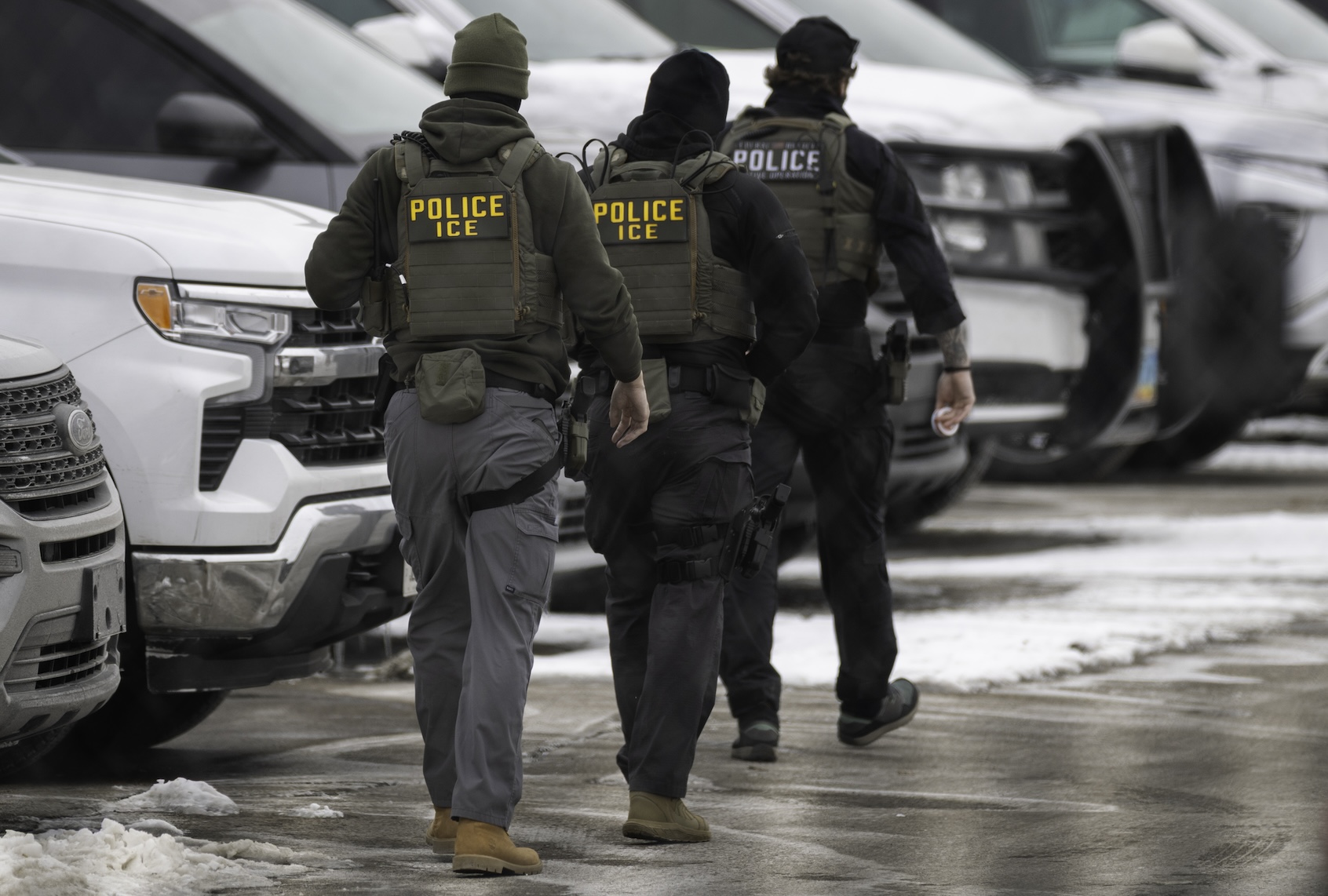
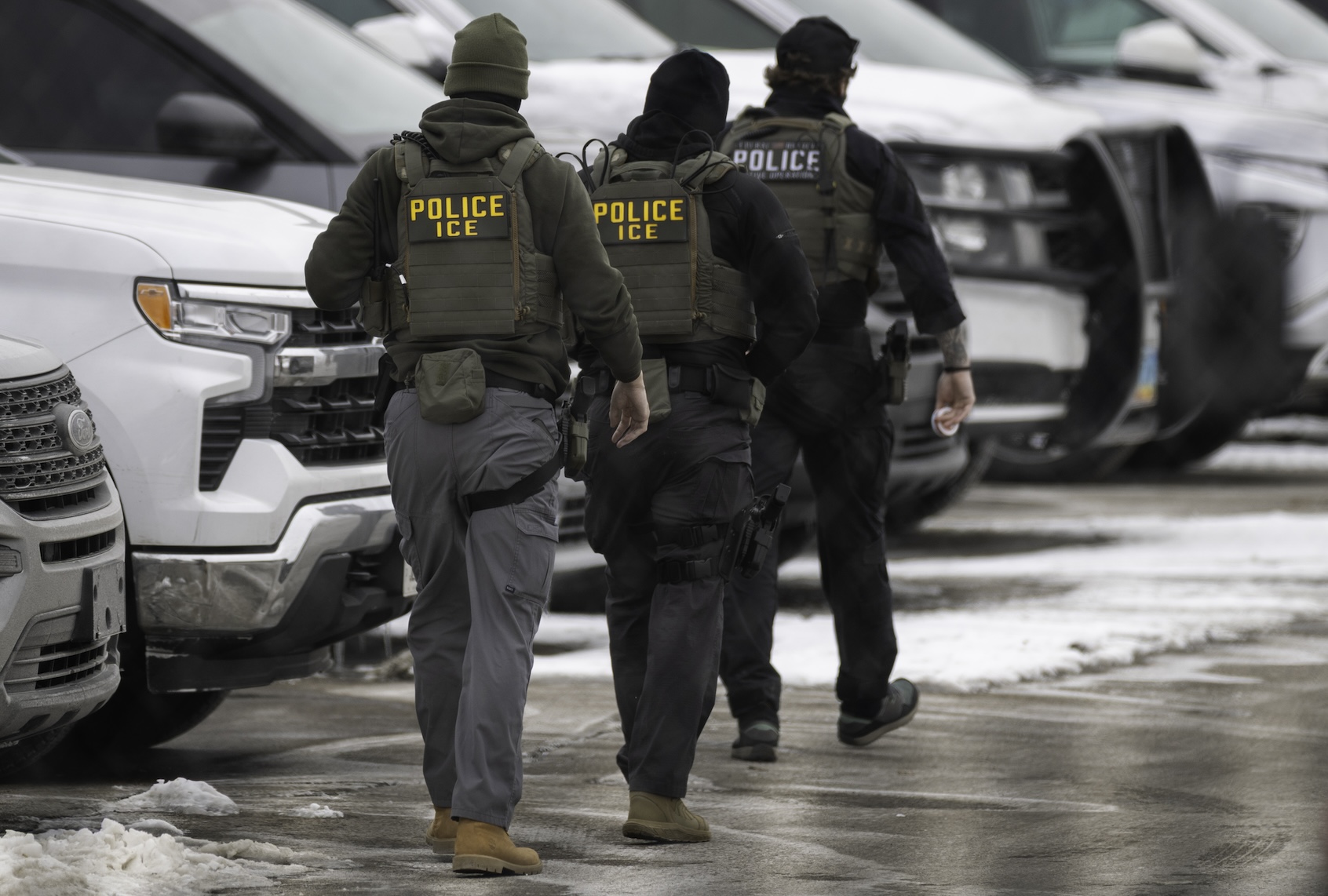
ICE officers depart the Bishop Henry Whipple Federal Building on February 4, 2026 in Minneapolis, Minnesota. (Photo by John Moore/Getty Images)
On Thursday morning, with Minneapolis and St. Paul still reeling from weeks of federal occupation and violent crackdowns that have resulted in the arrest of 4,000 people, the Trump administration declared victory. “The surge is leaving Minnesota safer,” border czar Tom Homan said at a press conference. “I’ll say it again: It’s less of a sanctuary state for criminals,” maintaining the government’s position despite many of those arrested having no criminal records, including 5-year-old Liam Conejo Ramos.
Critics of the federal occupation assert that collective pressure by up to 100,000 Minnesotans was the real cause behind the withdrawal, while also remaining wary that a reduction in federal presence does not mean an absence of threats or the mitigation of damage.
The withdrawal began in early February, when the Trump administration pulled 700 federal agents from Minneapolis, leaving thousands more still roaming the streets in armored vehicles and on foot. The announcement today left few real details about the logistics of ending the Department of Homeland Security’s so-called Operation Metro Surge and how many DHS personnel would remain in the long run, other than that “a significant drawdown has already been underway this week and will continue into next week,” as Homan put it.
Minnesota state representative and former voting rights lawyer Emma Greenman, representing parts of Minneapolis, told Salon that neither she and nor her colleagues or indeed anyone in the state government had been apprised of federal plans — all they had was what they were witnessing on the ground.
“After Tom Homan announced the withdrawal of 700 agents, we continued to see the same terror and harassment tactics, the same sort of violence and targeting of not what they call ‘the worst of the worst,’ but, but everybody who is Black and brown, constitutional observers who are not protesters, people who are followed to their house,” she said. “Ending the paramilitary occupation does not end the lawlessness if they return to how it was before, with hundreds of people on the ground. Even in his speech on Thursday, Tom Homan was calling all of our residents in Minnesota agitators but not saying anything about lawless violence against American citizens [by DHS agents]. It’s not the tone of someone who’s going to pull the core group of federal agents out.”
At the start of Operation Metro Surge, at least 100 DHS agents were operating in the Twin Cities area, according to lawsuits. In the weeks after ICE officer Jonathan Ross killed Minneapolis resident Renee Nicole Good in December, that number surged to between 3,000 and 4,000 as the federal government sought to demonstrate a show of force against protesters. Immigration and Customs Enforcement and Customs and Border Protection personnel,